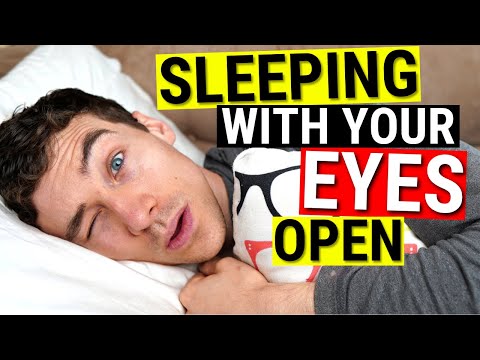
So, picture this: you’re hanging out with a friend who just can’t keep their eyes shut while they catch some Zs. I mean, it looks like they’re wide awake but totally snoring. Ever seen that? It’s a little freaky, huh?
Este blog ofrece contenido únicamente con fines informativos, educativos y de reflexión. La información publicada no constituye consejo médico, psicológico ni psiquiátrico, y no sustituye la evaluación, el diagnóstico, el tratamiento ni la orientación individual de un profesional debidamente acreditado. Si crees que puedes estar atravesando un problema psicológico o de salud, consulta cuanto antes con un profesional certificado antes de tomar cualquier decisión importante sobre tu bienestar. No te automediques ni inicies, suspendas o modifiques medicamentos, terapias o tratamientos por tu cuenta. Aunque intentamos que la información sea útil y precisa, no garantizamos que esté completa, actualizada o que sea adecuada. El uso de este contenido es bajo tu propia responsabilidad y su lectura no crea una relación profesional, clínica ni terapéutica con el autor o con este sitio web.
Well, this quirky thing isn’t just for giggles or party tricks. There’s actually a whole lot going on beneath the surface. You might think it’s bizarre, but seriously, it happens more often than you’d think.
In this chat, we’re gonna dig into why people sleep with their eyes open and what that really means for them. It’s not just about a funny photo op—there are real reasons and effects tied up in that unusual habit. So, stick around!
Understanding the Potential Health Risks of Sleeping with Your Eyes Open
Oh, wow, sleeping with your eyes open! Sounds kind of eerie, right? But it’s a real thing called **nocturnal lagophthalmos**. It’s when you can’t completely close your eyelids while you snooze. So, what causes it, and what does it mean for your health? Let’s break it down.
First off, let’s look at why this happens. There are a few reasons:
- Facial nerve damage: An injury or condition affecting the facial nerves can prevent eyelids from closing completely.
- Thyroid Disease: Sometimes conditions like Grave’s disease can lead to changes in the eyes and eyelids.
- Anatomical Variations: Some folks simply have different structures of their eyelids that make closure tricky.
Now, if this happens occasionally, it’s one thing. But if you find yourself regularly snoozing with your peepers open, there might be some health risks involved.
First and foremost, let’s talk about dryness. You see, when your eyes are exposed all night without the natural moisture from blinking, they can get really dry and irritated. It’s like playing a video game where you forget to save—before you know it, everything’s on fire! Your eyes might feel gritty or even painful.
Then there’s the risk of infection. Seriously! Your eyes are often protected by blinking and tears washing away potential irritants. When you sleep with them open? Well, that protection is missing. This could lead to issues like conjunctivitis or corneal abrasions.
Also, think about strain on your vision. Keeping those lids open all night long can lead to fatigue since your eye muscles are technically working overtime—even while you’re dreaming about pizza or whatever!
Let me give you an example to drive this home: Imagine you’re in a game where stamina runs out faster for characters who don’t rest properly—in that case hurting their performance big time! That’s how sleeping with your eyes open feels for your vision; less rest means less clarity.
Now don’t fret too much; not every case leads to major health worries! If you suspect that you’re experiencing nocturnal lagophthalmos frequently—or if it’s affecting how you feel—it’s definitely a good idea to see a healthcare professional for advice tailored just for you.
In short, while sleeping with your eyes open may sound cool in theory (like some superhero power), in reality? It could mean dryness and irritation—and maybe even more serious stuff down the road if left unchecked. So keep those lids closed at night and let them do their job!
Understanding When Sleeping Eyes Open Stops: Age Milestones and Their Psychological Implications
Sleeping with your eyes open, or exophthalmic sleep, is something that can really catch you off guard. Imagine someone you know dozing off and their eyes are wide open. It can be both creepy and fascinating! But why does this happen? Well, there are a few reasons behind it.
First off, it’s important to know that this condition can occur at any age, but it tends to be more common in children and young adults. As kids grow up, their body and brain go through tons of changes. Sometimes these changes can lead to unusual sleeping patterns, like sleeping with their eyes open.
- Age Milestones: Generally, kids around the ages of 2 to 5 might experience this more often. Their nervous systems are still developing and may not fully coordinate eyelid function during sleep.
- Tweens & Teens: Around the ages of 10 to 14, many children outgrow this habit as their neurological development catches up.
- Adults: For some adults, however, having your eyes open while snoozing can be tied to other issues like stress or certain medications.
You might be surprised to learn that sleeping with your eyes open isn’t usually a sign of a serious problem. I mean sure, if you’re a kid in class drooling on your homework with your eyes wide open—it’s kind of funny but probably a cry for help! Instead, it often indicates how sensitive our sleep cycles are during different life stages.
This brings us to the psychological implications. When kids sleep with their eyes open, part of that may tie back to feelings of vulnerability or insecurity. For instance, let’s say little Timmy just started school; he might feel anxious about his new surroundings. So when he sleeps? Those peepers don’t shut quite right! Crazy how our emotions can manifest even when we’re catching Zs!
- Anxiety Levels: Higher levels of anxiety in children can lead to sleep disturbances—the whole eyes wide open thing is just one result.
- Coping Mechanisms: Adolescents may also develop habits like this as coping mechanisms for whatever life throws at them—like peer pressure or academic expectations!
If you think about video games—kids often absorb intense scenarios during gameplay. If they’re stressed from trying to beat the next level but can’t relax afterward? They might end up snoozing with those peepers wide-open!
The bottom line is: if someone you care about sleeps with their eyes open, it’s likely nothing too serious. But if it’s frequent or concerning? Definitely worth a chat with a professional just in case. Talking things out helps clarify any underlying issues—because getting rest shouldn’t be spooky!
An important takeaway here is that each age milestone comes with its own quirks related to sleep behaviors. It’s super normal as part of growing up! Just remember: while info like this is helpful and eye-opening (pun intended), it definitely doesn’t replace professional advice when needed.
Understanding Why Your Eyes Won’t Stay Closed While Trying to Sleep: Psychological Factors at Play
Sometimes, despite your best efforts, you just can’t seem to keep those peepers shut. Ever find yourself lying in bed, ready to drift off, but your eyes feel like they’re on a mission to stay wide open? This can be super frustrating, and there’s actually some psychology behind it. Let’s break it down.
First off, let’s talk about **hyperarousal**. This is a state where your body is basically on high alert. Think of it like being in a video game where you’re always ready for the next enemy attack. Your heart’s racing, your mind’s buzzing with thoughts, and guess what? Your eyelids just won’t cooperate. You might be thinking about tomorrow’s big meeting or that embarrassing moment from last week instead of relaxing.
Another player in this game is **anxiety**. When you’re anxious, your brain is like a hamster on a wheel—constantly spinning around with worries! So when you try to wind down and sleep, those worries don’t fade away easily. You might even notice that you’re lying there with your eyes half-open because you’re trying to keep an eye out for potential threats (even if they’re just imaginary).
Then there’s **sleep disorders** like insomnia or sleep apnea that can mess with how well you sleep, making it tough for your eyes to stay closed even when you really want them to rest. Imagine playing a game where the levels keep changing—not only do you not know what comes next; you’re also too busy dodging obstacles to focus on finishing!
You might also want to consider **environmental factors**. If it’s too noisy outside or if the light from your phone screen isn’t helping, your brain will keep firing up those alert signals telling you not to close your eyes yet! It’s kind of like trying to play an intense level while the TV’s blasting—you can’t concentrate at all!
So what can help? Here are some ideas:
- Creating a calming bedtime routine: Wind down with activities that help signal it’s time for sleep.
- Limiting screen time: Put away devices at least an hour before bed; trust me on this one.
- Meditation and breathing exercises: These can help chill out that hyperarousal and ease anxiety.
- Seeking professional help: If these issues persist, chatting with a therapist or doctor might be key.
Your body wants to rest; sometimes it just needs a little nudge in the right direction! It’s totally normal if staying asleep feels challenging sometimes.
If you’ve got ongoing trouble closing those eyes at night, don’t hesitate reaching out for help from professionals who really know their stuff—they can guide you better than any blog post ever could! Sleep tight!
So, imagine you’re hanging out with your friend, and they start to nod off. But wait—are their eyes still open? You’re thinking, “That’s a little creepy, isn’t it?” Well, sleeping with your eyes open, or what fancy folks call “nocturnal lagophthalmos,” can actually happen to some people. It’s one of those quirky things that’s kinda fascinating but also a bit concerning.
Now, picture this: I once knew someone who would start to drift off during movie night. At first, we all thought they were just really engrossed in the film. But then we realized their eyes weren’t fully closed! It was like watching a slightly haunting episode of a horror show. They would wake up and have no idea they’d been sleeping. Just imagine how disorienting that must feel!
So what causes this phenomenon? Well, there are a few possibilities. Sometimes it can be due to weak eyelid muscles that just don’t wanna cooperate when you’re catching Zs. Other times, certain medical issues could be at play—like facial nerve damage or even conditions like Graves’ disease that affect the thyroid. Stress and fatigue could also make your body act weirdly when you fall asleep.
The effects? Ah man, they can vary. Some people might not even realize they’re doing it! Lucky them! But for others? It can lead to dry eyes and irritation since the corneas lack proper moisture while those peepers are wide open. Ugh! Can you imagine waking up feeling like you’ve been staring at a screen all night?
But here’s where it gets a little deeper: sleeping with your eyes open might lead to anxiety about sleep itself for some folks. If you’re always worried someone will catch you dozing off in a spooky way—and trust me, social situations might become awkward—then boom! You’ve got stress on top of everything else.
In the end though? It’s good to pay attention if this happens regularly or causes issues because addressing the underlying cause is key. Seriously! Who wants to wake up feeling like they’ve been starring in their own slasher film?
So if you’re ever hanging out with friends and notice someone dozing off with those peepers still shining bright? Maybe give them a gentle nudge—or at least have fun chatting about it later! Keep smiling and don’t forget; sometimes our bodies just do strange things while we’re trying to rest up!