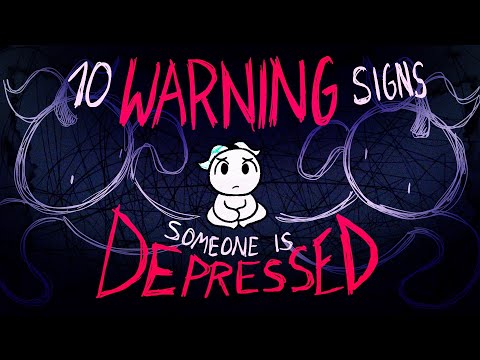
Hey, you ever feel like the world’s just a little too heavy? Like, no matter what you do, it’s tough to shake off that cloud hanging overhead? Yeah, it can be rough.
Este blog ofrece contenido únicamente con fines informativos, educativos y de reflexión. La información publicada no constituye consejo médico, psicológico ni psiquiátrico, y no sustituye la evaluación, el diagnóstico, el tratamiento ni la orientación individual de un profesional debidamente acreditado. Si crees que puedes estar atravesando un problema psicológico o de salud, consulta cuanto antes con un profesional certificado antes de tomar cualquier decisión importante sobre tu bienestar. No te automediques ni inicies, suspendas o modifiques medicamentos, terapias o tratamientos por tu cuenta. Aunque intentamos que la información sea útil y precisa, no garantizamos que esté completa, actualizada o que sea adecuada. El uso de este contenido es bajo tu propia responsabilidad y su lectura no crea una relación profesional, clínica ni terapéutica con el autor o con este sitio web.
Clinical depression isn’t just feeling sad for a bit. It can show up in sneaky ways in your day-to-day life. You might brush it off as just a “slump” or maybe even blame it on the weather. But hey, sometimes it’s more than that.
What if I told you that recognizing those signs early can be a game-changer? Seriously! It’s all about understanding what you’re going through and not letting it take over. So let’s chat about this!
Comprehensive Depression Test: Assess Your Mood and Mental Well-Being
So, let’s chat about depression for a sec. It’s kind of one of those things that everyone thinks they know about, but the reality is often much messier. Recognizing signs of clinical depression can really help you or someone you care about get the right support. It’s important to remember that while we can discuss these signs, this isn’t a substitute for professional help.
Feeling Sad or Empty: So, you might be feeling inexplicably sad for weeks on end. Sure, everyone has their off days, but when it stretches into months, that’s a different ballpark altogether. Like when you’re playing your favorite game and suddenly it feels more like a chore than fun—that’s a red flag.
- Losing Interest: Remember when you used to binge-watch that show or grind through the latest games with your friends? If it seems like nothing excites you anymore—whether it’s hanging out with pals or diving into hobbies—you might want to pay attention.
- Changes in Sleep Patterns: Are you having trouble falling asleep? Or maybe you’re sleeping all day and still feel tired? It’s annoying when your sleep doesn’t feel restorative; think of it as playing a game but never reaching full health points!
- Fatigue: Feeling drained despite getting enough sleep? Imagine trying to complete a level in a game without any power-ups—it just feels impossible.
- Difficulties Concentrating: Maybe you’ve noticed your focus is shot. You’re reading the same page over and over, just like replaying a tough level but never getting past it.
- Feelings of Worthlessness or Guilt: Have you been extra hard on yourself lately? You might feel like you’re just not good enough at anything! It’s like losing repeatedly in your favorite game and thinking, “I’m terrible at this.” But hey, that just isn’t true!
You see how these signs can sneak up on you during daily life? They might not always be obvious. Sometimes they creep in quietly until one day you’re feeling pretty overwhelmed.
Mood Swings: Frequent mood changes can also be tough. One minute you’re stuck in sadness; the next minute you’re feeling angry about something small—like when someone messes up your strategy in a multiplayer game! This rollercoaster isn’t fun at all.
If any of this sounds familiar—or if someone close to you exhibits these signs—don’t hesitate to reach out for help. Talk to someone who can really assist: a friend, family member or even a professional therapist can make all the difference.
Your feelings are valid and deserve attention. Just remember: recognizing these signs is only the first step toward turning things around! So keep an eye on your mood and mental well-being—you got this!
4 Major Causes of Depression: Understanding Key Factors and Their Impact
So, let’s chat about something that can feel pretty heavy: depression. It’s more than just feeling sad; it’s a serious condition that a lot of people deal with. Many factors can contribute to it, and understanding these can help us recognize the signs in ourselves or someone close to us. So here are four major causes of depression you should know about:
- Genetics: Yep, sometimes it’s in our DNA. If someone in your family has struggled with depression, you might have a higher chance of experiencing it too. It’s like inheriting eye color or height; some people just have the genes that make them more prone to mental health issues.
- Chemical Imbalances: Our brains are filled with neurotransmitters, which are basically messengers that help regulate mood. If there’s an imbalance—like too little serotonin or dopamine—it can lead to symptoms of depression. Think of it like trying to play your favorite video game on a glitchy console; things just don’t work right.
- Life Events: Sometimes life throws curveballs at us! Events such as losing a loved one, going through a breakup, or even losing a job can trigger depression. I remember when my friend lost his father unexpectedly. He went from being this lively guy to someone who barely smiled for months—it was heartbreaking to see.
- Chronic Stress: Living under constant stress is like running a marathon without any training—you’re bound to wear out eventually! Whether it’s work pressure, financial problems, or relationship troubles, when stress sticks around for too long, it can lead to feelings of hopelessness and despair.
If you notice any signs of depression in yourself or those around you—like persistent sadness, loss of interest in activities you once enjoyed (even gaming!), fatigue, changes in sleep patterns, and difficulties concentrating—don’t hesitate to reach out for help. It’s super important to talk to someone who knows what they’re doing because recognizing these symptoms is just the first step.
At the end of the day, understanding what causes depression does not replace professional help but gives us a better chance at recognizing its signs in everyday life and supporting each other along the way.
Understanding Depression Symptoms in Women: Key Signs and Insights
Feeling blue every now and then is totally normal. But when those feelings stick around and start messing with your daily life, it might be something more serious, like clinical depression. For women, the symptoms can be pretty unique. Let’s chat about some key signs that could indicate a deeper issue.
Emotional Symptoms: One of the first things to notice is the emotional rollercoaster. It’s not just feeling sad sometimes; it’s like being stuck in a fog that just won’t lift. You may have:
- Persistent sadness: Feeling down for weeks or longer.
- Hopelessness: A sense that things will never get better.
- Loss of interest: Activities you once loved—like hanging out with friends or playing games—might suddenly feel boring or pointless.
I remember a friend who used to be super into gaming, right? Suddenly, she stopped playing her favorite MMORPG and didn’t even want to log in for a raid night. It’s unsettling when hobbies don’t bring joy anymore.
Physical Symptoms: Depression isn’t just about emotions; it can mess with your body too! Some common physical signs include:
- Fatigue: Feeling tired all the time despite sleeping enough.
- Changes in appetite: Eating too much or too little.
- Sleep disturbances: Insomnia or oversleeping can both happen.
Your body can react to depression in ways you might not expect. Like, if you’re used to having energy but now feel like you’re dragging yourself out of bed every morning—that could be a red flag!
Cognitive Symptoms: Mental health has a huge impact on how we think and perceive the world around us. If you’ve noticed changes in your focus or decision-making abilities, pay attention!
- Difficulties concentrating: Finding it hard to focus at work or while reading (or gaming).
- Muddled thinking: Your thoughts might feel jumbled, leading to confusion.
- Silly self-criticism: You may find yourself trapped in negative thoughts about your worth or abilities.
This one friend I mentioned earlier told me she felt like her mind was clouded. It’s like trying to play a game where everything is blurry—you just can’t perform well!
Bodily Aches and Pains: Depression can manifest physically as well—with headaches, stomachaches, or muscle pain that seemingly pops up out of nowhere. It’s strange how emotional troubles can present themselves through physical discomforts.
If you notice any combination of these symptoms lasting more than two weeks—or if they interfere with your daily activities—talking to someone could really help. It’s important to mention that this discussion doesn’t take the place of professional help; we all can benefit from talking things through with someone trained!
Simplifying things: Look for long-lasting sadness, lack of interest, fatigue, changes in eating/sleeping habits, trouble concentrating—all signs that something deeper might need attention beyond what friends (or even video games) can fix alone!
The take-away? Staying connected with yourself and recognizing when something feels off is key—don’t hesitate to reach out for help if you need it! Your mental health matters!
You ever have one of those days where getting out of bed feels like climbing a mountain? You know, when the idea of tackling even the smallest tasks makes you feel utterly exhausted? Well, that’s one sign something might be off, and it could point to clinical depression.
Recognizing the signs isn’t always straightforward. Sometimes it sneaks up on you, masked as fatigue or irritability. I remember when my buddy Sarah went through a rough patch. At first, she just seemed a bit tired all the time. Then came the mood swings—she’d snap over little things or just zone out in conversations. It was tough to watch because she was always this vibrant person full of life.
But there are signs beyond just being tired or cranky. Loss of interest in things you once loved is a biggie. Think about it: that hobby you couldn’t stop talking about? Suddenly now it feels like a chore, doesn’t it? And what about changes in sleep patterns? Some folks crash for hours on end; others can’t catch a wink at all.
And hey, let’s not forget appetite changes! Have you noticed yourself reaching for snacks way too often or completely losing your cravings? That’s another red flag waving at you from the sidelines. All these pieces together create this puzzle that’s not easy to see unless you’re really paying attention.
But wait, there’s more! Social isolation can creep in too—you might find yourself ditching plans with friends or avoiding phone calls. It’s like you’re living behind glass, watching life happen but feeling disconnected from it all.
So if you’re noticing these signs in yourself or someone close to you, it’s worth thinking about what they might mean. A chat with someone who understands could be key—maybe a friend or even a professional who really gets it can help bring clarity.
Being aware is half the battle, and snapping into action can make all the difference. After all, we all deserve those moments of joy and connection instead of feeling stuck in our heads alone. Remember Sarah? She ended up talking to someone who helped her sort through her feelings and find light again—not that magic fix overnight kind of light but real progress over time.
In daily life, recognizing these signs is crucial—just don’t ignore them if they pop up; listen closely to what they’re saying! You know better than anyone how you feel every day; trust your instincts and seek out support when needed!