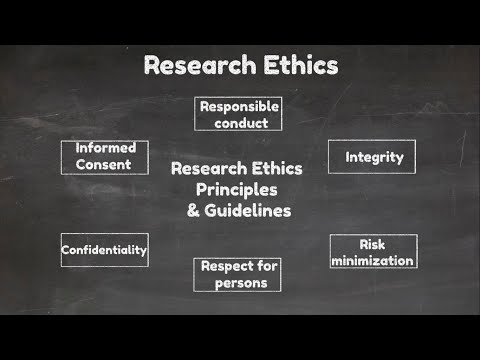
You know what? Research can be super exciting. But it can also get a bit messy, right? I mean, when you’re diving into the unknown, things aren’t always clear-cut.
Este blog ofrece contenido únicamente con fines informativos, educativos y de reflexión. La información publicada no constituye consejo médico, psicológico ni psiquiátrico, y no sustituye la evaluación, el diagnóstico, el tratamiento ni la orientación individual de un profesional debidamente acreditado. Si crees que puedes estar atravesando un problema psicológico o de salud, consulta cuanto antes con un profesional certificado antes de tomar cualquier decisión importante sobre tu bienestar. No te automediques ni inicies, suspendas o modifiques medicamentos, terapias o tratamientos por tu cuenta. Aunque intentamos que la información sea útil y precisa, no garantizamos que esté completa, actualizada o que sea adecuada. El uso de este contenido es bajo tu propia responsabilidad y su lectura no crea una relación profesional, clínica ni terapéutica con el autor o con este sitio web.
So, let’s chat about something that’s kind of a big deal: scientific ethics. Yeah, I know, it sounds all serious and stuff. But stick with me! This is about making sure researchers play fair while trying to uncover the secrets of the universe.
Imagine if your favorite scientist suddenly decided to cut corners. Yikes! That could totally mess things up for everyone! And that’s where ethics come in—keeping research honest and reliable.
In this little journey we’re on together, we’ll explore the principles that help keep researchers in check. Grab your coffee; let’s get into it!
Essential Principles of Research Ethics: A Comprehensive PDF Guide
Research ethics might sound all formal and serious, but it’s really about making sure that researchers respect participants and conduct their work in a responsible way. There are some basic principles, and understanding these can really help you if you’re diving into the world of research.
Respect for Persons is super important. Basically, this means recognizing the autonomy of individuals. You know when you play a game where you get to make choices? Imagine if someone took that away from you! In research, participants should be able to make informed decisions about whether or not to participate. This involves giving them all the info they need—like what’s gonna happen, any risks involved, and so on.
Beneficence refers to the obligation of researchers to maximize benefits while minimizing any possible harm. Think about a game where every choice has consequences; you want to choose actions that lead to good outcomes for everyone involved. In research, it’s similar: researchers should aim for their work to have positive impacts on society or individuals.
Then there’s Justice. This principle is about fairness in distributing the benefits and burdens of research. It shouldn’t be just one group of people reaping all the rewards while another group does all the heavy lifting. Like in those co-op games where everyone needs to contribute for victory? Research should work the same way; it should involve diverse populations so that no one is unfairly burdened or ignored.
Now let’s talk about Informed Consent. This doesn’t just mean getting a signature on a piece of paper; it’s more like giving someone a cheat sheet before starting a game level. Participants need clear, understandable info about what they’re signing up for—like what will happen during the study, any risks involved, and how their data will be used.
When researchers collect data, they often use something called Confidentiality. It’s vital! Just think back to when you’re playing an online game—you wouldn’t want your personal score exposed for everyone to see! Researchers must protect participants’ personal info at all costs.
Now onto Integrity. Researchers should avoid things like plagiarism or fabricating results (yikes!). Imagine if someone altered their gaming stats just to look better—totally ruins it for everyone else! The same goes for research; honesty is key.
Research also involves Accountability. This means researchers must be responsible for their work and its impacts. If things go south or someone feels hurt by how they were treated during a study, researchers need to step up and address those issues—it shows they’re serious about doing right by participants.
So there you have it—a quick rundown on navigating this ethical terrain in research! These principles are essential because they guide people toward fair practices that prioritize both integrity and respect for others’ rights. Always remember though: if you’re ever doing research or getting involved in studies, just keep these principles close at heart!
And hey, let’s keep this conversation going—if you’ve got questions or thoughts poppin’ into your head about research ethics or anything related feel free to reach out! It’s always good talking things over with friends who care.
Understanding the 7 Principles of Ethics in Research: A Comprehensive PDF Guide
Research ethics is super important. If you’re diving into the world of scientific studies, it’s essential to grasp the **7 Principles of Ethics in Research**. These are some fundamental guidelines that help ensure the integrity and respect for participants involved in any research project. Let’s break them down, shall we?
1. Respect for Persons
This principle emphasizes the need to treat individuals as autonomous agents. Basically, it means you should recognize and uphold the dignity of every person involved in your research. It’s like asking for permission before using someone’s game data – you wouldn’t just take it without consent, right?
2. Beneficence
Here’s where it gets interesting: this principle asks researchers to maximize benefits while minimizing any potential risks to participants. Think of it like balancing a video game character’s strengths and weaknesses. You want your character to be strong enough to win but not so overpowered that it ruins the fun for others.
3. Justice
Fairness is key! This principle demands that the benefits and burdens of research be distributed fairly among all groups in society. Remember how in games like *Among Us*, everyone gets a chance to play their role? In research, no group should bear an unfair share of risks or receive less than their fair share of benefits.
4. Integrity
Honesty is vital when conducting research. Researchers should present their findings truthfully and transparently, much like being upfront about your strategy in a board game instead of making up rules as you go along.
5. Confidentiality
This one’s pretty straightforward: once you gather data from your participants, protecting their privacy is crucial! If people are sharing sensitive information with you — kinda like revealing their secret strategies in a multiplayer game — they need to trust that what they say stays private.
6. Informed Consent
Participants must know what they’re getting into before jumping aboard your research project! They need clear info about what will happen during the study, kinda like reading a game manual before playing (or at least skimming through).
7. Accountability
Researchers must be accountable for their actions and decisions throughout the study process! This means being ready to explain why certain choices were made, just as players have to take responsibility for winning or losing in a game.
So there you have it—seven guiding principles that can help make sure research is conducted ethically and responsibly! Keeping those principles front and center ensures that everyone involved feels valued and respected; think of them as your rulebook when exploring new areas within scientific inquiry.
Remember though, these principles provide great guidance but always consult with professionals or ethical review boards if you’re considering diving into actual research work!
Guidelines for Writing Ethical Considerations in Research Proposals: Example PDF Included
Research proposals can feel a bit like a wild card game. You need to play your cards right, and that includes understanding how to navigate the sometimes murky waters of ethics. So, let’s break down some ethical considerations you should keep in mind when you’re drafting your proposal.
Informed Consent is one of the biggies. It’s all about ensuring that participants know what they’re getting into. You wouldn’t want to start a game without knowing the rules, right? Make sure you explain the study’s purpose, procedures, potential risks, and benefits. Participants should also be aware that they can opt out at any time without any penalty.
Confidentiality is another cornerstone. Just think about it: would you want your secrets spilled? Protecting participants’ privacy is super important. You might keep their data separate or use pseudonyms instead of real names.
Another thing to consider is vulnerability. Some groups—like kids or those with disabilities—may need extra protection. If you’re including these groups in your research, it’s crucial to approach them with care. Think of it like playing a co-op game where you have to make sure everyone knows how to play safely.
You also have to consider beneficence, which sounds fancy but just means doing good and minimizing harm. You’re tasked with weighing potential benefits against risks involved in the research study. Picture it as trying to balance the scales in a video game—you don’t want one side tipping too far either way.
Then there’s justice. This principle emphasizes fairness in choosing who gets to participate in research and who reaps its benefits. When drafting your proposal, ensure that no specific group is unfairly burdened or excluded from the perks of research outcomes.
Lastly, think about transparency. You’ve got to be open about conflicts of interest or funding sources because trust matters! If players feel the deck was stacked against them due to hidden agendas, the whole game falls apart.
Here’s a quick recap for writing those ethical considerations:
- Informed Consent: Explain everything clearly.
- Confidentiality: Keep their info private.
- Vulnerability: Be careful with sensitive groups.
- Beneficence: Do good & minimize harm.
- Justice: Ensure fair participation!
- Transparency: Disclose any conflicts.
So there you have it! These principles help create a solid foundation for ethically sound research proposals while still allowing you space for creativity and discovery. Just keep these guidelines close as you draft up your masterpiece!
And remember, if you’re ever feeling overwhelmed by all this ethical stuff, don’t hesitate to reach out for guidance from mentors or professionals in your field!
You know, ethics in research feels like one of those topics that people might roll their eyes at—like, who really wants to dig into a bunch of rules and principles, right? But here’s the thing: it’s super important! Imagine for a second if someone conducted research that hurt others or simply wasn’t honest. Yikes, right?
Think back to school days when you worked on group projects. If someone didn’t pull their weight or straight-up copied from somewhere else, it totally messed up the whole vibe. Scientific research is kinda similar; it thrives on trust and integrity. So when we talk about navigating scientific ethics, it’s like making sure everyone plays fair so that we get reliable results and respect all participants involved.
Let’s break it down a bit. Scientific ethics includes principles like honesty, transparency, and respect for individuals. When researchers conduct studies involving people or animals, they have a responsibility to treat them ethically—think informed consent! This means participants should know what they’re getting into without any sneaky hidden agendas. Seriously, nobody wants to be a test subject for something they didn’t sign up for!
I remember once reading about this big study where researchers observed behavior but didn’t tell the participants they were being watched. At first glance, it seemed cool—real-life reactions without biases from knowing they were in a study. But then I thought about how those folks probably wouldn’t have agreed if they knew—and honestly felt pretty uncomfortable with that idea.
Another key part of scientific ethics is accountability. If something goes wrong or results turn out to be misleading? Well, researchers need to own up to that and correct mistakes—not just sweep them under the rug! It’s like when you accidentally spill juice on your friend’s new shirt; you gotta admit it and help clean it up instead of pretending nothing happened!
And then there’s the whole aspect of fairness. Researchers should aim to share their findings widely instead of hoarding knowledge like it’s some secret treasure map! Sharing promotes progress in science because it builds upon existing work rather than just repeating past efforts.
So yeah, while diving into scientific ethics may seem tedious at times, think about how these principles create stronger foundations for research that ultimately pushes society forward—while minimizing harm and maximizing benefits for everyone involved.
The bottom line is this: navigating the principles of scientific ethics isn’t just some bureaucratic hassle—it’s crucial for building trust in science itself! In the end, when research is conducted ethically, we all win with better information that can improve lives! Isn’t that what we’re really aiming for?


