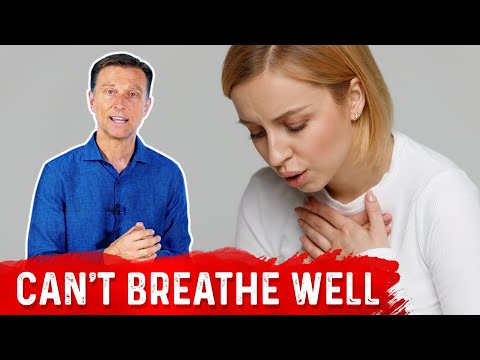
You know those moments when you feel like you’re gasping for air? It kinda freaks you out, right? Ragged breathing can be unnerving, and honestly, it can happen to anyone.
Este blog ofrece contenido únicamente con fines informativos, educativos y de reflexión. La información publicada no constituye consejo médico, psicológico ni psiquiátrico, y no sustituye la evaluación, el diagnóstico, el tratamiento ni la orientación individual de un profesional debidamente acreditado. Si crees que puedes estar atravesando un problema psicológico o de salud, consulta cuanto antes con un profesional certificado antes de tomar cualquier decisión importante sobre tu bienestar. No te automediques ni inicies, suspendas o modifiques medicamentos, terapias o tratamientos por tu cuenta. Aunque intentamos que la información sea útil y precisa, no garantizamos que esté completa, actualizada o que sea adecuada. El uso de este contenido es bajo tu propia responsabilidad y su lectura no crea una relación profesional, clínica ni terapéutica con el autor o con este sitio web.
Maybe you’ve just climbed a flight of stairs or faced a stressful situation. Suddenly, your breath is all over the place. You might feel lightheaded or even panicky. It’s wild how something so basic can throw us for a loop.
So let’s chat about it! We’ll break down what causes that ragged breathing, the signs to look out for, and some ways to manage it. Trust me; this is gonna be super helpful!
Effective Strategies to Alleviate Ragged Breathing and Support Emotional Well-Being
Ragged breathing can feel like a rollercoaster ride, right? One minute you’re fine, and the next, you’re gasping for air. This kind of breathing often comes from stress or anxiety, but it can also be tied to physical conditions. So let’s break it down a bit.
What causes ragged breathing? It can happen for various reasons. Stressful situations often kick our fight-or-flight response into gear, making our breath quicken and become shallow. You may also see this in folks with asthma or allergies when their airways get tight. Even big emotions—like excitement or fear—can cause your breath to get all out of whack. Crazy how that works, huh?
Symptoms usually include:
- A sudden feeling of breathlessness
- A tight chest
- Panting like you just ran a marathon
- Dizziness or lightheadedness
If you’re experiencing this frequently, it might feel overwhelming. But don’t worry; there are definitely ways to help yourself out.
Here are some strategies for alleviating ragged breathing:
- Deep Breathing Exercises: Ever try counting your breaths? It’s simple but effective. Inhale deeply through your nose for a count of four, hold it for four, and then exhale slowly through your mouth for another count of four. Repeat this several times until you feel more settled.
- Meditation: Meditation might sound all zen and stuff, but seriously—sitting quietly with your thoughts and focusing on your breath can lower anxiety levels significantly. Apps like Headspace or Calm are easy ways to start if you’re new to it.
- Grounding Techniques: When everything feels chaotic around you, try grounding techniques: focus on what you can see, hear, taste, touch or smell around you. This pulls your attention away from what’s causing the panic and helps normalize your breathing again.
- Physical Activity: Moving your body does wonders! It doesn’t have to be anything intense; even a 20-minute walk can help clear your mind and regulate your breath.
- Create a Relaxing Space: Surround yourself with things that make you feel calm—a comfy chair, soft lighting, maybe some plants? The environment plays a big role in how we breathe!
You know what? Sometimes sharing these experiences with friends helps too! I remember once feeling overwhelmed during finals week in college—I went outside with friends for a casual frisbee game after studying all night long. Just laughing and moving around took my mind off things.
But remember! If ragged breathing persists or gets worse over time—or is accompanied by chest pain—you should chat with a healthcare professional about it. There’s no shame in getting help when you need it; they’re trained to guide you through these feelings.
The bottom line is that while ragged breathing can feel unsettling, there are effective strategies to manage it! A mix of techniques geared towards emotional well-being can really help keep things in check.
Understanding the 4-7-8 Breathing Technique: A Simple Method for Stress Relief and Relaxation
So, let’s talk about a breathing technique that’s been making the rounds for stress relief and relaxation. It’s called the 4-7-8 breathing technique. Seriously, it’s simpler than you might think! Basically, you inhale for 4 seconds, hold that breath for 7 seconds, and then exhale slowly for 8 seconds. Sounds easy, huh? But it can really help calm your mind when everything feels like it’s going haywire.
Now, here’s the kicker: this technique is often used to combat something known as ragged breathing. You know that feeling when you’re stressed or anxious? Your breaths get short and quick. That can lead to feeling even more anxious—like a vicious cycle! Ragged breathing can be caused by a variety of factors like stress, panic attacks, or even just talking too fast. The symptoms often include:
- Shortness of breath: You feel like you can’t get enough air.
- Panting: Quick inhalations and exhalations that feel uncontrolled.
- A feeling of tightness in the chest: Almost as if something’s sitting on your ribcage.
- Dizziness: It’s not fun; that happens when there isn’t enough oxygen getting to your brain.
The thing is, ragged breathing can definitely add fuel to your stress fire. But here’s where the 4-7-8 technique comes in handy! By focusing on your breath—literally—you’re redirecting your attention away from those overwhelming feelings. It’s a bit like pausing a video game when things get too chaotic; you give yourself a moment to reset!
If you’re game enough to try it out (pun intended!), here are some steps:
- Find a comfortable position: Sit or lie down wherever you feel at ease.
- Breathe in through your nose: Count silently in your head up to 4 as you inhale.
- Hold that breath: Now wait for 7 seconds—this part might be tricky at first!
- Breathe out slowly through your mouth: Make it last for 8 seconds—it should sound a bit like a sigh or soft wind.
You might wonder how long you should do this. Start with four cycles (that means four sets of in-hold-out), and then see how you feel after that! If anxiety or ragged breathing keeps creeping back into your life—and let’s be real, it happens—you can practice this whenever you need some peace.
I remember once feeling incredibly overwhelmed before an important presentation. I thought my heart was going to leap right out of my chest! I decided to give the 4-7-8 technique a shot right there in the bathroom stall (hey, whatever works!). Just those few moments of focused breathing helped me chill out and get through my speech without sounding like I’d run an Olympic marathon beforehand.
This technique isn’t a substitute for professional help if you’re dealing with chronic anxiety or any serious issues related to ragged breathing; seriously, sometimes we all need expert advice too! But incorporating this simple method into your routine could make those stressful moments just a bit easier to handle.
If nothing else, it gives you something tangible to focus on instead of letting worries take over—like catching Mario coins instead of watching Bowser chase after Princess Peach! So go ahead and give it a whirl next time life tosses its curveballs at ya!
Effective Interventions for Managing Breathing Difficulties: A Comprehensive Guide
When it comes to ragged breathing, it’s not just a mouthful, but also a pretty serious issue for some people. That breathy struggle can be caused by various factors, some of which might surprise you. So, let’s break down what this all means.
What Causes Ragged Breathing?
This type of breathing can be linked to several conditions, including:
- Asthma: Your airways become inflamed and narrow.
- Anxiety: Stress can tighten your chest, making it harder to catch a breath.
- Chronic Obstructive Pulmonary Disease (COPD): A long-term lung disease that blocks airflow.
- Pneumonia: An infection that inflates the air sacs in one or both lungs.
So, say you’re playing a video game and find yourself breathing heavily after an intense moment. Sometimes that rush is normal; other times, it could throw you into a panic attack or trigger your asthma. You know what I mean?
Symptoms to Watch For
Recognizing ragged breathing is key. Some signs include:
- You feel like you’re gasping for air.
- Your breaths are quick or uneven.
- You might hear wheezing sounds.
- Your chest feels tight or heavy.
If you’ve ever been on a roller coaster (or just had an overly spicy burrito), you know that feeling when your heart races and suddenly, whoa! Breathing becomes that awkward game of catch-up.
Management Strategies
Now let’s talk about ways to manage this kind of difficulty so you don’t feel like you’re in an endless chase with your own breaths. Here are several suggestions:
- Breathe slowly: Practice deep breathing exercises. Inhale through your nose for five seconds and exhale through pursed lips for another five seconds.
- Avoid triggers: If certain activities or environments spark ragged breathing (like smoke), try steering clear of them when possible.
- Meditation and mindfulness: Techniques like meditation can help reduce anxiety levels which might ease your breath issues.
- Positioning: Sitting up straight or leaning slightly forward can help open up the chest and improve airflow.
You know what? Even stuff like yoga helps too! It sounds cliché, but seriously – those deep stretches and focused breathing work wonders over time.
A Word on Professional Help
While these tips can be helpful—like having power-ups in a game—they’re not substitutes for real medical advice. If you’re experiencing persistent ragged breathing, reach out to a healthcare professional. They’ll help identify underlying causes and create tailored strategies just for you.
So there you have it! Ragged breathing is something many face at different points in life. Having the right tools and knowledge can make all the difference in managing it effectively while keeping things chill in the process!
Ragged breathing, huh? It can be pretty unsettling when you notice yourself gasping for air or attempting to catch your breath after doing something as simple as climbing a flight of stairs. I mean, there have been times when I’ve sprinted to catch a bus and felt like my lungs were on fire! But it’s not just about the physical activity. There are all kinds of reasons why you might experience ragged breathing.
Let’s start with some causes. Stress and anxiety can really mess with your breath patterns. When you’re anxious, your body goes into fight-or-flight mode, which can make you feel like you’re catching your breath in short bursts instead of nice deep ones. Then there’s asthma or allergies—congested airways can leave you feeling a bit desperate for air, right? And let’s not forget about physical issues like pneumonia or other lung-related conditions; those can significantly impact how we breathe too.
Now, if you’re experiencing ragged breathing often, it might come with some symptoms that aren’t so fun. You might notice tightness in your chest or even a little wheezing. Sometimes, folks also feel dizzy or lightheaded, which is just no good when all you want is a deep inhale! It’s kind of scary when your body doesn’t do what you expect it to do.
So how do we manage all this? Well, first things first—don’t ignore it. If ragged breathing becomes frequent or severe, that’s definitely something to talk to a healthcare provider about. They can help figure out if there’s an underlying cause that needs attention. But if it’s more on the mild side—like from stress or anxiety—you might find relief through techniques like deep breathing exercises or mindfulness practices. Seriously! Sometimes just focusing on taking slow breaths in and out can make everything feel more manageable.
And here’s a little anecdote for ya: my friend once told me how she struggled with her breath during yoga classes because she was so nervous about being judged by others around her. After talking to our instructor about her struggles, she started focusing specifically on her breath and found that it helped ease her tension both during class and afterward in daily life! It’s wild how something so simple can help shift our entire experience.
All in all, ragged breathing is one of those things that reminds us how interconnected our mind and body are. Recognizing the patterns and learning ways to manage them makes a real difference—whether it’s through professional help or self-care strategies like calming breaths. So hey, keep an eye on how you’re feeling; it matters!