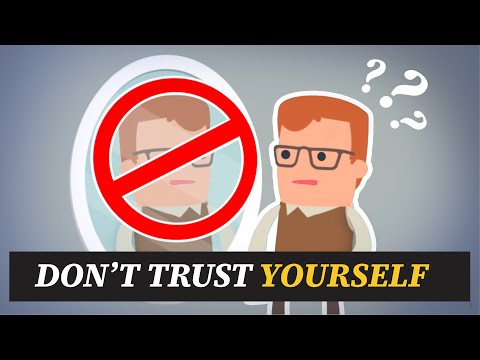
Hey you! Have you ever made a decision and wondered, “What was I thinking?” Yeah, me too.
Este blog ofrece contenido únicamente con fines informativos, educativos y de reflexión. La información publicada no constituye consejo médico, psicológico ni psiquiátrico, y no sustituye la evaluación, el diagnóstico, el tratamiento ni la orientación individual de un profesional debidamente acreditado. Si crees que puedes estar atravesando un problema psicológico o de salud, consulta cuanto antes con un profesional certificado antes de tomar cualquier decisión importante sobre tu bienestar. No te automediques ni inicies, suspendas o modifiques medicamentos, terapias o tratamientos por tu cuenta. Aunque intentamos que la información sea útil y precisa, no garantizamos que esté completa, actualizada o que sea adecuada. El uso de este contenido es bajo tu propia responsabilidad y su lectura no crea una relación profesional, clínica ni terapéutica con el autor o con este sitio web.
Sometimes our brains play tricks on us, right? Like when you’re convinced that one brand of cereal is just better because it’s got that flashy box. But really, it’s just a bias at work.
Psychological biases are quirky little shortcuts your mind takes. They shape how we decide things without you even realizing it. It sounds kind of wild, right? But it’s super common.
Let’s take a deeper look into this world of wacky brain habits and see how they influence your choices every day. Trust me; it’s going to be eye-opening!
Understanding How Psychological Biases Influence Decision-Making Processes
Psychological biases can seriously warp the way we make decisions, often without us even realizing it. You know how sometimes you just feel a gut reaction to something? That’s your brain’s biases at work! They’re these mental shortcuts or patterns that our brains take to help us process information quickly. But here’s the catch: while they can be helpful, they can also lead us to make some pretty questionable choices.
Take a look at the confirmation bias. This one is fascinating! It’s like when you’re watching a game and only pay attention to the plays that confirm your favorite team’s awesome skills, while you brush off any mistakes. So, you’re convinced that they’re unbeatable, right? In decision-making, this bias makes us seek out info that supports what we already believe and ignore anything that doesn’t fit. This can really cloud our judgment.
Then there’s anchoring bias. Picture this: you’re trying to buy a used car. The first one you see is priced at $15,000. Now every car after that feels cheaper by comparison—even if it ends up being overpriced! Basically, your brain gets “anchored” on that first price and it skews your perception of value. It can happen in so many areas of life, from shopping to salary negotiations.
Next up is availability heuristic. This one’s a bit of a mouthful but super interesting. It’s when we make decisions based on how easily examples come to mind. Say you’ve recently heard about a bunch of shark attacks on the news; suddenly you’re terrified of going into the ocean! Your mind jumps straight to those incidents instead of weighing all the times people enjoy a safe day at the beach. In short, our brains sometimes misjudge probabilities based on recent info instead of facts.
You might also experience hindsight bias, which is like saying “I knew it all along!” after an event happens—when really you didn’t see it coming until it did! This bias makes us believe we would have predicted an outcome after we’ve already seen what happened. It’s kind of comforting but misleading since it tricks us into thinking we’re better forecasters than we actually are.
Now let’s talk about social proof, which hits close to home in decision-making processes too. Ever notice how if most people are raving about a new video game or trend, you feel pressured to jump in? That’s social proof doing its thing! We often look at others’ actions for clues on how to behave ourselves; it’s like checking Yelp reviews before trying out that new restaurant everyone’s buzzing about.
And let’s not forget about emotional biases! Sometimes our feelings take over logic completely—a classic example being buying something extravagant after a rough day just for that temporary happiness boost. Sure, impulse buys give you that thrill in the moment but regret usually follows!
- Confirmation Bias: Seeking information confirming existing beliefs.
- An anchoring Bias: Relying too heavily on initial information.
- Availability Heuristic: Making judgments based on recent examples.
- Hindsight Bias: Believing past events were predictable after they occur.
- Social Proof: Following others’ behaviors as guidance.
- Emotional Biases: Allowing feelings to overshadow logic in decision making.
All these biases show just how complex our decision-making processes are—it’s almost like our brains are playing tricks on us sometimes! Awareness is key here; just being conscious of these biases can help you start making more balanced choices in life. But remember, I’m not saying this replaces talking with someone who really knows their stuff if you’re struggling—just keep it all in perspective!
So yeah, next time you find yourself wrestling with a decision or feeling unsure about your motivation behind it—take a step back and think: «Hey, could one of those biases be messing with my head?» Because sometimes recognizing what’s at play is half the battle!
Understanding the Six Key Biases in Decision-Making: How They Affect Your Choices
Sure! Let’s dig into those biases that can trip you up when making decisions. You know, it’s pretty wild how our brains can lead us astray without us even noticing. Here’s a look at six key biases that might just influence your choices more than you’d think.
1. Confirmation Bias
This one’s a classic. Basically, it means you tend to look for information that confirms what you already believe while ignoring anything that says otherwise. Think about it: if you’ve decided pineapple belongs on pizza, you’re likely to pay more attention to articles praising the combination and brush off the haters. Pretty sneaky, huh?
2. Anchoring Bias
Imagine you’re shopping for a new phone and see one priced at $1,000. Right next to it is another for $800. You might think the $800 phone is a steal! But what if the real value of both phones was only $500? The first price you saw set your expectations and affected your judgment, seriously limiting your view of what’s reasonable.
3. Availability Heuristic
You know how some things just pop into your head more easily than others? That’s this bias at work! If you’ve recently seen news stories about airplane crashes, you might feel super anxious about flying—even though statistically it’s very safe. It skews your perception of reality because those vivid images are fresh in your mind.
4. Sunk Cost Fallacy
Ever stayed in a bad movie or relationship just because you’ve already invested time or money? That’s the sunk cost fallacy right there! You feel like you can’t back out now because of everything you’ve put in—completely ignoring whether it’s still worth it.
5. Hindsight Bias
After something happens, do you sometimes think you «knew it all along»? That’s hindsight bias kicking in! It’s easy to assume outcomes were predictable after they’ve happened—it makes us feel smarter than we are but can distort our understanding of past decisions.
6. Overconfidence Bias
Let’s say you’re pretty sure you’re going to win that trivia night contest because you’ve read all these books on random facts—what happens when someone else cleans up? Overconfidence bias leads us to overestimate our knowledge or abilities, which can be super humbling!
These biases play significant roles in decision-making and can lead to some wacky choices if we aren’t careful—like deciding on something purely based on emotion rather than logic!
In the end, understanding these biases adds an extra layer to how we navigate life’s choices; awareness is truly power! Just keep in mind: recognizing these pitfalls doesn’t magically fix everything; if you’re feeling stuck or overwhelmed by decisions, talking with someone who knows their stuff can be really helpful!
Understanding the 7 Types of Bias: Insights into Human Judgment and Decision-Making
Biases are like those little gremlins that creep into our thinking, messing with our judgment and decision-making. You know, when you make a choice and later think, «Why did I do that?» That’s probably a bias at play. Let’s talk about seven common types of bias and how they shape your decisions.
1. Confirmation Bias: This is when you look for information that supports what you already believe and ignore anything that says otherwise. Like if you’re convinced pineapple belongs on pizza (no judgment!), you might only pay attention to articles that agree with you while dismissing the ones that don’t.
2. Anchoring Bias: Imagine you’re playing a game where you have to guess the price of an item. If the first number you see is super high, your guesses will likely be close to that high number, even if it doesn’t make sense. This happens because your brain «anchors» on that first piece of information.
3. Hindsight Bias: Ever looked back on a decision and thought it was obvious in retrospect? That’s hindsight bias! It’s like saying after a game, “I totally knew they’d win,” even though before the match, you were just as unsure as anyone else.
4. Availability Heuristic: This plays out when you judge something based on how easily examples come to mind. For instance, if you’ve recently watched news reports about airplane accidents, you might overestimate how dangerous flying is because those images are fresh in your memory.
5. Overconfidence Bias: Sometimes, we’re just way too sure we’re right! This bias can lead us to make poor choices because we think we know more than we actually do. Think of it like believing you’re an expert at a video game after just one round—you might not be as good as you think!
6. Self-serving Bias: Okay, so this one’s kind of funny but also serious! It’s when we take credit for our successes but blame outside factors for our failures. “I aced the test because I studied hard!” vs “I bombed it because the teacher was unfair!” I mean, come on—own up sometimes!
7. Bandwagon Effect: Lastly, this bias is pretty relatable: it’s when people do something simply because others are doing it too. You see everyone getting into a new trend or game and suddenly you’re in line for the latest release—even if it’s not really your style!
These biases can seriously mess with your decisions—big or small! Remember though; recognizing them is half the battle won! You don’t have to be perfect; we all struggle with these things sometimes.
And hey, being aware of these biases can help guide better choices down the road—whether it’s in games or real life decisions! But always remember: if you’re feeling overwhelmed by your thoughts or struggles with decision-making, talking to someone who knows their stuff might really help!
You know, when we make decisions, it’s like having a million tiny voices in our heads, right? Some are logical and rational, but others are influenced by these sneaky little things called psychological biases. They can really mess with our judgment without us even realizing it!
I remember a time when I was trying to decide between two job offers. One seemed super appealing—great salary and fancy title. But the other one had a more chill culture and work-life balance. I kept thinking about the money, even though I’d probably be happier at the other place. That’s when my confirmation bias kicked in—I was only looking for information that supported my initial choice.
Confirmation bias is just one of many biases. There are others like anchoring bias, where you rely too much on the first piece of information you see—like that flashy salary offer—and overlook other essential details. It’s wild how our brains latch onto stuff that feels familiar or comfortable!
Another funny thing is the availability heuristic. That’s a fancy term for making decisions based on immediate examples that come to mind. Like, if you hear about someone getting a promotion at work and then you start thinking everyone in your office must be getting promoted left and right. You can end up overestimating your chances of success based on what’s fresh in your memory.
When you step back and think about all these biases, it’s kind of eye-opening! They shape not just personal choices but also big decisions in business or relationships. And sometimes they lead us astray because we’re leaning more on gut feelings than solid evidence.
All this just reminds me to pause before jumping into anything serious. Maybe take a minute to consider if I’m falling for one of those biases again? That way, I can make choices that really align with what I need rather than what my brain is tricking me into thinking is best.
So yeah, these biases aren’t just nerdy psychology terms—they’re real-life hurdles we all face when trying to make sense of our choices! Understanding them can totally help us navigate through life’s maze instead of getting stuck in it, don’t you think?