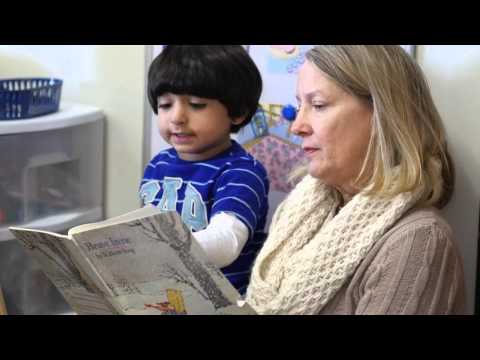
So, picture this: a group of tiny humans bouncing around, all excited and curious. They’re not just playing; they’re learning.
Este blog ofrece contenido únicamente con fines informativos, educativos y de reflexión. La información publicada no constituye consejo médico, psicológico ni psiquiátrico, y no sustituye la evaluación, el diagnóstico, el tratamiento ni la orientación individual de un profesional debidamente acreditado. Si crees que puedes estar atravesando un problema psicológico o de salud, consulta cuanto antes con un profesional certificado antes de tomar cualquier decisión importante sobre tu bienestar. No te automediques ni inicies, suspendas o modifiques medicamentos, terapias o tratamientos por tu cuenta. Aunque intentamos que la información sea útil y precisa, no garantizamos que esté completa, actualizada o que sea adecuada. El uso de este contenido es bajo tu propia responsabilidad y su lectura no crea una relación profesional, clínica ni terapéutica con el autor o con este sitio web.
Prekindergarten is totally where it all begins. It’s like the first chapter of a really cool adventure book—full of discoveries and surprises.
You might think it’s just about coloring and singing songs, but trust me, there’s so much more simmering beneath the surface.
It sets the stage for everything that comes next! From social skills to early math, those little moments matter big time.
And hey, if you’ve got little ones (or you know someone who does), this playground of learning is worth chatting about!
Understanding the Purpose of Preschool Learning Foundations: A Guide to Early Childhood Development
Preschool is more than just a place to play and color. It’s where little minds start to bloom. Think of it as the launchpad for your kiddo’s future learning adventures. But what exactly are preschool learning foundations? Let’s break that down in a way that makes sense.
Social Skills Development
One big goal of preschool is to help kids learn to interact with their peers. It’s not just about making friends; it involves sharing, taking turns, and understanding feelings. You know those moments when kids argue over toys? That’s where they practice conflict resolution. By figuring out how to compromise, they learn that cooperation can be more rewarding than winning.
- Imagine a game of blocks where two kids have to decide who gets the blue block.
- They might argue at first but eventually come up with a plan: «Let’s build together!»
Merging creativity with social skills really pumps up their emotional intelligence too!
Cognitive Skills Growth
Preschool also focuses on cognitive development, which is basically how children learn to think and solve problems. Through activities like puzzles or memory games, kids sharpen their brains while having fun! They start recognizing shapes, numbers, and letters without even realizing they’re learning them.
- A simple game of “I Spy” can teach them language skills.
- By spotting different colors or objects around them, they expand their vocabulary.
This kind of play-based learning helps them grasp foundational concepts before they hit kindergarten.
Physical Development
Let’s not forget the physical side! Preschool is all about getting active. Kids run around, climb, jump—essentially developing their gross motor skills. This can be anything from throwing a ball during recess to dancing in music class.
- A fun game like «Simon Says» encourages balance and coordination.
- Kicking a soccer ball? Perfect for refining those leg muscles!
These activities might look like playtime but they’re crucial for building strength and coordination!
Creative Expression
Creativity often takes center stage in preschool as well! Art projects encourage self-expression and imagination. Kids get messy with paint while developing fine motor skills—that’s a win-win!
- Coloring inside the lines teaches control.
- Scribbling allows freedom to explore what they enjoy.
When children create something unique, you’re not just seeing art; you’re witnessing their personalities shining through.
The Importance of Routines
Preschool helps establish daily routines too. Routines offer comfort and security for young minds who thrive on predictability. Knowing what comes next—whether it’s snack time or story time—helps them feel safe and ready for new experiences.
Kids learn how to transition from one activity to another smoothly. This skill will be super helpful later on in life when they’re juggling classes or even jobs!
All these aspects contribute to laying down solid learning foundations that stick with children as they continue through school-life challenges and triumphs.
So you see? Preschool isn’t just an extra year before kindergarten; it’s crucial for childhood development! Each child is unique, though – some may flourish more quickly than others in different areas – so it’s always important to support your child based on their individual needs without replacing professional guidance if you’re concerned about specific developmental milestones.
In the end, all this early learning sets kids up for success both in school and beyond!
Foundations of Early Childhood Education: Key Principles and Their Psychological Impact on Child Development
So, let’s talk about the foundations of early childhood education. It’s pretty essential to understand how it shapes our little ones. You know, when kids are small, their brains are like little sponges. They soak up everything around them. This is where key principles come into play. These principles guide how they learn and grow.
One core idea is the focus on holistic development. This means looking at the child as a whole person, not just focusing on one aspect, like cognitive skills. Holistic education considers emotional, social, physical, and cognitive growth together. For example, when kids play games that require teamwork—like building a fort out of cushions—they’re not just having fun; they’re developing social skills and enhancing their problem-solving abilities at the same time.
Another important principle is play-based learning. Kids learn best through play! Seriously! It’s how they explore their world and practice new skills in a safe environment. Think about it—when children engage in imaginative play or role-playing games, they practice language skills and learn to express themselves effectively. Plus, it fosters creativity! This is crucial because creative thinking promotes innovation later in life.
- Individualized learning: Each child learns at their own pace. A good early childhood program recognizes this diversity and adapts accordingly.
- Cultural responsiveness: Early education should respect and include various cultures. Kids need to see themselves reflected in what they learn!
- The importance of relationships: Strong connections with teachers and peers help build trust and support a child’s learning journey.
The link between these principles and psychological development is huge! For instance, consider attachment theory—it says that secure attachments with caregivers lead to healthy emotional development. When children feel safe in their educational environment, like during story time or circle time with friends, they’re more likely to explore new things without fear.
A great anecdote here: I once saw a preschool class where the teacher introduced an art project after reading a story about colors. The kids were buzzing with excitement as they painted; I noticed one shy kid who rarely spoke suddenly started chatting about what color he wanted for his sun drawing! That moment wasn’t just about art; it was also boosting his confidence and encouraging social interaction through sharing ideas with classmates.
You might think that these stages are just small moments in time but they lay down some lasting pathways for future learning experiences. Ultimately, when children feel valued and inspired through engaging education methods, they’re setting up strong psychological foundations for lifelong learning!
This approach doesn’t override seeking professional help if needed for any developmental concerns; it’s just part of creating that supportive base—kind of like building the perfect playground before the fun really starts!
Understanding the 4 Fundamentals of Learning: Key Principles for Effective Education
When we talk about early learning, especially in prekindergarten, it’s all about laying down a solid foundation. Children are like little sponges at this age. They absorb everything! But to really help them thrive, it’s key to understand the four fundamentals of learning. Let’s break these down.
First off, there’s the principle of active engagement. Kids learn best when they’re actively involved in their learning experiences. Simply sitting and listening isn’t enough. For example, instead of just reading a story about animals, you could encourage kids to act out their favorite parts or create animal puppets. This way, they’re not just passive listeners; they’re participants!
Next up is real-world connections. Making lessons relatable helps children understand the relevance of what they’re learning. If you’re teaching shapes, why not take a walk outside and point out shapes in buildings or objects? It brings the concepts to life and helps kids see how they fit into the world around them.
Then we have social interaction. Kids learn so much from each other. Pairing them up for group activities can boost skills like communication and teamwork. Think about simple games where they have to work together to solve a puzzle or build something with blocks; it encourages cooperation while having fun!
Finally, there’s repetition and reinforcement. Kids need practice to really absorb new information. If you teach them new words, try mixing in games like flashcards or memory matches often! This way, they can revisit what they’ve learned frequently without feeling overwhelmed.
To wrap it all up:
- Active Engagement: Involve kids through hands-on activities.
- Real-World Connections: Relate lessons to their everyday experiences.
- Social Interaction: Encourage teamwork through group games.
- Repetition and Reinforcement: Use fun activities for practice.
In the end, understanding these fundamentals can really help you create a rich learning environment for young children. Remember though – this info is great for guiding you but doesn’t replace any professional advice if needed! So give these principles a shot in your prekindergarten approach—it’s all about making learning fun and effective!
Alright, let’s chat about prekindergarten. It’s an exciting, sometimes daunting time for both kids and parents. You know how it goes—these little ones are stepping into a whole new world filled with colors, shapes, letters, and friendships. Just think back to that moment when you were first thrown into a classroom full of strangers. It can be pretty overwhelming!
I remember when my niece started pre-K. She clung to my sister’s leg like a little koala bear the morning of her first day. It was heartwarming and heartbreaking all at once. But as the days went by, something amazing began to happen. She slowly started making friends and actually enjoying learning! Watching her come home with crayon-drawn pictures and stories about snack time made me realize how crucial those early experiences are.
So, what’s the deal with prekindergarten? Basically, it’s like setting the stage for everything that comes next in school. During these formative years, kids aren’t just learning their ABCs—they’re also picking up social skills that’ll serve them for life. You know? Like sharing toys or waiting their turn during storytime.
And let’s not forget about emotional growth too! Kids learn to express their feelings, cope with frustration when things don’t go their way—because let’s be honest; it can be tough waiting for a turn on the swing! These tiny lessons lay down the groundwork for resilience and emotional intelligence down the line.
Research shows that children who have a solid prekindergarten experience tend to do better academically later on. They’re usually more prepared when they hit kindergarten because they’ve already dipped their toes into basic concepts of math, reading, and even critical thinking! It’s kinda like giving them a head start in the race of education.
But it’s not just about academics—it’s about creating a love for learning too! When kids see school as a fun place filled with activities and friends—not just worksheets and tests—it sets them up for a positive attitude towards education as they grow older.
In the end though, it all boils down to balance: nurturing curiosity while providing structure. It’s that mix that allows kids to flourish in their own unique ways. So whether you’re enrolling your child or just reminiscing on your own experiences, remember those early steps are super important—they’re laying down some pretty strong foundations for what lies ahead!