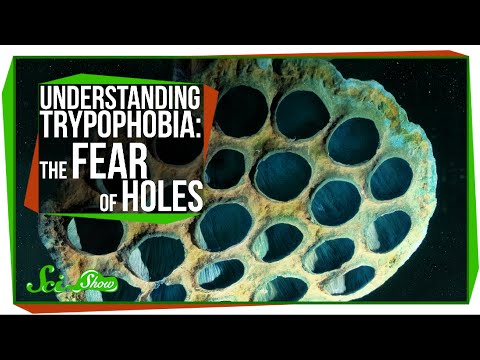
Hey you! Ever looked at something and felt that weird, icky sensation creeping up your spine? You know, like when you see a bunch of tiny holes clustered together? Yeah, that’s a thing. It’s called trypophobia.
Este blog ofrece contenido únicamente con fines informativos, educativos y de reflexión. La información publicada no constituye consejo médico, psicológico ni psiquiátrico, y no sustituye la evaluación, el diagnóstico, el tratamiento ni la orientación individual de un profesional debidamente acreditado. Si crees que puedes estar atravesando un problema psicológico o de salud, consulta cuanto antes con un profesional certificado antes de tomar cualquier decisión importante sobre tu bienestar. No te automediques ni inicies, suspendas o modifiques medicamentos, terapias o tratamientos por tu cuenta. Aunque intentamos que la información sea útil y precisa, no garantizamos que esté completa, actualizada o que sea adecuada. El uso de este contenido es bajo tu propia responsabilidad y su lectura no crea una relación profesional, clínica ni terapéutica con el autor o con este sitio web.
It might sound silly to some, but for others, it can be a legit struggle. Seriously! Imagine walking past a sponge or a honeycomb and feeling this wave of discomfort wash over you. Not fun, right?
So let’s chat about those symptoms and what goes on in your mind when this happens. You’re not alone in this bizarre world of tiny holes!
Understanding the Triggers of Trypophobia: Insights into the Psychological Reactions
So, let’s talk about something that’s been buzzing around lately—**trypophobia**, which is basically the fear or intense discomfort caused by seeing clusters of small holes or bumps. It’s not officially recognized as a phobia in many places, but the reactions people have to it can feel pretty real and overwhelming.
Why does this happen? Well, our brains are wired to react to certain visuals in specific ways. When it comes to trypophobia, there might be a few underlying reasons for those cringe-worthy feelings you get. Here are some key points to understand:
- Instinctual Reaction: Some researchers think that trypophobia is an instinctive response. For our ancestors, seeing patterns in nature (like holes) might’ve signaled danger. Imagine stumbling upon a nest of venomous snakes! The brain quickly links these images with survival concerns.
- Visual Complexity: There’s something about intricate patterns that can be unsettling. Your brain works hard to process what it sees, and if it’s confused by a complicated visual like many tiny holes, it might trigger discomfort.
- Association with Disease: Those holes can remind people of things like skin diseases or infestations (think of a skin problem with all those little bumps). That association could cause disgust or anxiety when looking at images that evoke those feelings.
- Cultural Influence: Sometimes we absorb fear-based reactions from others around us. If you grew up hearing stories about creepy crawlies hiding in holes, it could plant the seeds of trypophobia in your mind.
Now let’s explore some symptoms you might experience if you’re feeling trypophobic. Picture this: scrolling through your social media feed and suddenly coming across an image of a honeycomb or porous sponge. You’d think it’s just an ordinary photo until—BAM!—your heart races and sweat breaks out on your forehead. These feelings can include:
- Anxiety: Feeling uneasy? Your body might kick into fight-or-flight mode without any warning.
- Nausea: That gut feeling you get? Yeah, it can happen when faced with triggering visuals.
- Irritation: Some people feel an itch or discomfort just *thinking* about such images!
- Panic Attacks: If it’s severe enough, someone might even experience panic attacks—those sudden bursts of overwhelming fear that make you feel trapped.
It’s important to remember that experiencing these feelings doesn’t mean you’re alone or weird; there are others out there who get it too! You don’t have to face this by yourself either—finding support from friends or professionals could help navigate these feelings.
In the end, while understanding these triggers can provide clarity on what makes us tick (or cringe!), always keep in mind that this isn’t meant to replace speaking with someone trained if things become too challenging for you.
So the next time you see something that gives you the shivers, know there’s science behind why our brains react like they do—it’s a wild ride sometimes!
Understanding Trypophobia: The Mental Illnesses Linked to Fear of Patterns
So, let’s talk about trypophobia. It’s this weird and often misunderstood thing that some people experience. If you’ve ever looked at a honeycomb or a bunch of tiny holes and felt a shiver down your spine, you might relate to this phobia. The name might sound all fancy, but it just describes an intense fear or aversion to clustered patterns—especially ones with small holes.
Now, keep in mind that while some folks might joke about it, for others, it can be seriously distressing. Symptoms can vary from mild discomfort to full-on panic attacks! You know what I mean? People report feelings like:
- Nausea
- Anxiety
- Itching
- Panic attacks
- Rapid heart rate
This isn’t just about being picky; it’s a real reaction in your brain. Some researchers think it’s linked to our evolutionary history. You know, back when avoiding dangerous things was vital for survival? For example, the sight of clusters resembling certain diseases (like skin infections) might trigger that instinctual response. Fascinating stuff!
Anecdotally speaking, I remember chatting with a friend who couldn’t look at pictures of sponges without feeling queasy. Seriously! It wasn’t just a “yuck” moment; it was like her whole body reacted as if she were faced with something dangerous.
You might be wondering how tryptophobia fits into the larger world of mental health. Well, it’s often seen alongside other anxiety disorders or phobias. That means if someone has trypophobia, they might struggle with things like generalized anxiety or even specific phobias about other triggers.
But here’s the kicker—trypophobia itself isn’t officially classified as a mental disorder. It’s more like an intense reaction rather than something you’d see in a textbook under “phobias.” So while you can find varying degrees of discomfort and anxiety associated with it, it’s not exactly going to show up on your therapist’s checklist either.
If trypophobia is affecting your life—or even just making things uncomfortable—don’t hesitate to reach out for help! Remember: you’re entirely valid in feeling how you do—and talking to someone professional can really help clarify those feelings without judgment.
So basically, tryptophobia shines a light on how our brains work! Understanding our fears can sometimes make them feel less daunting. And who knows? Maybe next time you see those tiny holes, you’ll just roll your eyes instead of feeling that pang of dread!
Take the Trypophobia Test: Assess Your Reaction to Patterns and Clusters
So, tryptophobia, huh? It’s that thing when you see clusters of tiny holes or patterns and suddenly feel all creeped out. You’re not alone if you feel uneasy seeing these things, like honeycomb or even a sponge. It can really get under your skin. Let’s take a closer look at this odd but very real phenomenon.
What Exactly is Trypophobia?
It’s basically an intense fear or aversion to patterns with small holes or bumps. It’s not officially recognized as a phobia, but many people report feeling anxious or uncomfortable when they encounter such images. People often describe symptoms like sweating, nausea, and even panic attacks just from looking at a picture of, say, lotus seed pods.
Common Triggers
You might be wondering what kind of stuff can trigger this reaction. Here are some examples:
- Nature: Think about honeycombs, coral reefs, and seed pods.
- Objects: Sponges or certain kitchen tools can set some folks off.
- Food: Foods with holes—like Swiss cheese—can make you cringe.
Now picture this: you’re in a game and suddenly there’s an enemy covered in hundreds of tiny eyeballs or something similar. Not the most comforting sight, right? That unsettling feeling taps into our instinctual response to avoid things that look creepy.
Taking the Trypophobia Test
If you’re curious about where you stand with trypophobia, there are tests available online to assess your reactions to these patterns. These tests often involve looking at various images and gauging your emotional response—whether it’s discomfort, anxiety, or outright terror.
Remember though: taking the test isn’t a diagnosis! It’s just a way for you to see how sensitive you might be to these kinds of visual stimuli.
Symptoms You Might Experience
So what happens if trypophobia hits you hard? Symptoms can vary from person to person but generally include:
- Anxiety: A general sense of dread when faced with clusters.
- Nausea: This isn’t just mental; it can physically upset your stomach.
- Panic Attacks: Some people may even experience rapid heartbeats.
If these symptoms sound familiar and interfere with your daily life—it might help to talk to someone about it. Seriously!
Coping Strategies
Now let’s say trypophobia is causing issues for you; here are some simple strategies that could help manage that discomfort:
- Avoid Triggers: If certain images freak you out—steer clear!
- Meditation: Breathing exercises can help calm those nerves.
- Talking it Out: Sharing your feelings with friends might lighten the load.
And hey—you don’t have to navigate this alone! Talking to a therapist who understands phobias can provide support that’s tailored just for you.
In the end, recognizing how patterns affect us emotionally is pretty interesting. The next time you see something that gives you that icky feeling—you’ll know what’s going on! Just remember: it’s understandable and you’re definitely not weird for feeling this way.
Have you ever looked at a sponge or a honeycomb and felt that weird itchiness creeping up your spine? Like, seriously, it’s kinda unsettling, right? That’s exactly what someone with trypophobia feels. It’s more than just not liking certain patterns; it’s this intense discomfort around clusters of tiny holes or bumps.
So picture this: a friend of mine once showed me a picture of a lotus seed pod. I was just sitting there, minding my own business, when suddenly my heart started racing and I got all sweaty! I couldn’t handle it. The sight triggered something in me—like an instinctive need to look away or run far, far away. It was bizarre! But here’s the thing – nobody really talks about it until you experience it yourself.
Now, let’s break things down a bit. Trypophobia isn’t officially recognized as a mental disorder; rather, it’s more like an aversion that can vary from mild discomfort to full-blown panic attacks. Yep, for some people, those little holes can feel like they’re crawling with bugs or setting off alarm bells in the brain.
You might wonder what causes this reaction. Well, some theorists think it goes back to our primal instincts—like our mind’s way of protecting us from potential threats in nature. For instance, patterns resembling those in certain poisonous animals might trigger fear responses as an evolutionary defense mechanism. So when you see those holes, your brain might interpret them as something dangerous—even if they’re just harmless holes!
Symptoms can range from sweating and nausea to outright anxiety when faced with these patterns. You know how sometimes people get freaked out by heights or tight spaces? This is kind of like that but much more specific and visual.
But what’s interesting is that even folks who don’t think they have trypophobia can feel uneasy around these images if shown suddenly or without warning. It’s kind of universal! So remember: If you catch someone flinching at a close-up shot of something holey, maybe don’t laugh too hard—you never know what their brain is processing!
In the end, maybe the takeaway here is about empathy and understanding each other’s weird fears—even if they don’t make sense on the surface. Just knowing that others might share this quirky reaction can make you feel less alone in your skin-crawling moments! Keep an eye out for your friends’ triggers; you never know when someone might need some support while navigating their phobias!