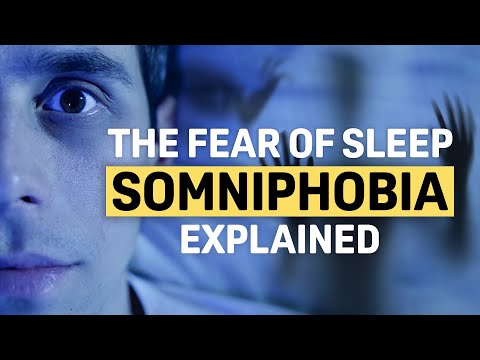
Hey, you ever heard of somniphobia? It’s a weird one, right? Like, who knew you could be scared of something as natural as sleep?
Este blog ofrece contenido únicamente con fines informativos, educativos y de reflexión. La información publicada no constituye consejo médico, psicológico ni psiquiátrico, y no sustituye la evaluación, el diagnóstico, el tratamiento ni la orientación individual de un profesional debidamente acreditado. Si crees que puedes estar atravesando un problema psicológico o de salud, consulta cuanto antes con un profesional certificado antes de tomar cualquier decisión importante sobre tu bienestar. No te automediques ni inicies, suspendas o modifiques medicamentos, terapias o tratamientos por tu cuenta. Aunque intentamos que la información sea útil y precisa, no garantizamos que esté completa, actualizada o que sea adecuada. El uso de este contenido es bajo tu propia responsabilidad y su lectura no crea una relación profesional, clínica ni terapéutica con el autor o con este sitio web.
Imagine lying in bed, exhausted but terrified of closing your eyes. Sounds pretty intense, huh? That’s the reality for folks dealing with this phobia.
The thing is, sleep is supposed to be our escape. But for some people, it’s a nightmare. In this chat, we’re diving into what somniphobia really means and how it shows up. So hang tight!
Understanding Somniphobia: Is It Recognized as a Mental Disorder?
Somniphobia is a fascinating yet often misunderstood condition. If you or someone you know feels an intense fear of sleep, you’re not alone. This phobia can really disrupt daily life, and understanding it can help in managing the anxiety it brings.
So, let’s break this down. Somniphobia is characterized by an irrational fear of sleep or the act of falling asleep. It’s more than just feeling a bit anxious at bedtime; it’s a persistent fear that can lead to significant distress and avoidance behaviors.
What exactly are the symptoms? Well, they can vary widely among individuals but often include:
- Excessive worry about sleeping or nightmares.
- Panic attacks when thinking about sleep.
- Avoiding situations that might lead to sleeping, like napping or even bedtime routines.
- Physical symptoms like sweating, rapid heartbeat, or nausea when facing sleep-related situations.
Picture this: imagine trying to play a new video game level that you know is going to be intense and requires focus—but your brain just keeps screaming “Nope! Not doing this!” You might get so wound up about failing that you avoid starting the game altogether. It’s kind of like that with somniphobia; the anxiety takes over and prevents you from experiencing something normal.
Now onto the bigger question: is somniphobia recognized as a mental disorder? The short answer is: it’s complicated. While it isn’t specifically listed in major diagnostic manuals like the DSM-5 (that’s the Diagnostic and Statistical Manual of Mental Disorders for those unfamiliar), it does fall under the umbrella of specific phobias.
Specific phobias generally include persistent fears related to certain objects or situations. Since somniphobia relates directly to a common human activity—sleep—it certainly has room for serious consideration within mental health conversations.
The causes of somniphobia are still being researched, but common factors often include:
- Past traumatic experiences related to sleep—like severe nightmares or sleep disorders.
- Anxiety disorders or pre-existing mental health issues.
- Cultural factors where certain beliefs around sleep might amplify fears.
In many cases, people develop coping strategies without realizing they’re dealing with somniphobia at all! Some may use caffeine as a way to stay awake for longer periods without connecting their sleeplessness to underlying anxiety.
Managing this condition usually involves therapy options such as cognitive behavioral therapy (CBT), which helps modify negative thoughts around sleep into something more manageable. Sometimes medications are involved too! But again, these should always come from professionals who understand your unique situation.
If you feel overwhelmed by sleep-related fears, seeking help from a therapist is key—they can guide you through appropriate strategies tailored just for you.
So remember: while somniphobia may create challenges and disruptions in your life, recognizing it as part of your journey opens doors for understanding and healing!
Effective Treatment Options for Somniphobia: Overcoming the Fear of Sleep
Alright, let’s talk about somniphobia, which is basically the fear of sleep. Sounds pretty wild, huh? Imagine being scared of the one thing you need to survive! People with this phobia might dread going to bed and can feel intense anxiety when it’s time to sleep. So what can be done about this? Here are some effective treatment options.
- Cognitive Behavioral Therapy (CBT): This is a well-known therapy that helps people change negative thought patterns. A therapist will work with you to identify worries about sleep and replace them with more positive thoughts. It’s like leveling up in a game; you build your skills to tackle challenges!
- Exposure Therapy: Gradual exposure can help lessen that fear. You might start by just thinking about sleeping, then progress to lying down for a minute, eventually working your way up to actually sleeping. It’s like practicing in smaller steps but getting closer and closer each time.
- Relaxation Techniques: Incorporating relaxation exercises can really help manage anxiety. Things like deep breathing or meditation are useful tools! Think of them as power-ups for your mind—they prepare you for what’s ahead!
- Medication: Sometimes doctors may prescribe medications to help manage anxiety or insomnia associated with somniphobia. This isn’t a one-size-fits-all solution, though, and should always be discussed with a healthcare provider.
Now let’s not forget: it’s super important to talk things through with a doctor or mental health professional before diving into any treatments. You wouldn’t jump into an online game without checking your gear first, right?
If you’re feeling alone in this struggle, you’re definitely not the only one! Imagine someone who plays video games but is terrified of the concept of saving the game—after all that hard work! It’s similar; while you want to relax and enjoy sleep like your favorite game, something is blocking that experience.
In short, overcoming somniphobia involves working through fears step-by-step while using various therapeutic methods. It takes time but remember: every small victory counts! Take it slow; soon enough, you might find yourself drifting off comfortably at night.
Coping with Sleep Anxiety: Understanding the Fear of Death and Its Impact on Restful Sleep
Sleep anxiety can be a real nightmare—quite literally! It often stems from a deeper fear of death, which is where somniphobia steps in. Somniphobia is the intense fear of sleep or falling asleep, and it can totally mess with your rest. So, let’s break this down and see what’s really going on.
You know how your mind can spiral into dark thoughts when you’re lying in bed? If you find yourself thinking about mortality or what happens when we die, that’s not just normal pre-sleep musings. It’s a classic symptom of sleep anxiety rooted in a fear of death. This fear can make falling asleep feel like stepping into the unknown—like loading up a horror game without knowing what monsters await you.
- Symptoms of Somniphobia: People might experience racing heartbeats, sweating, or even panic attacks when thinking about sleep.
- Coping Mechanisms: Creating a calming bedtime routine can help ease those fears. Think warm baths, meditation, or maybe reading something light and funny to distract your mind.
- Understanding Triggers: Sometimes certain thoughts or events trigger this anxiety. Maybe after watching a movie about the afterlife? Recognizing these triggers is key!
If you’re feeling anxious at night because you can’t shake off thoughts about death, you’re definitely not alone. Imagine feeling that way every time you close your eyes—seriously overwhelming! But remember, coping strategies exist to help soothe those worries.
Taking baby steps toward calming your mind before bed could look something like this: try writing down your fears instead of letting them swirl around in your head. It’s like hitting pause on that horror game—you still know the monsters are there but now they’re confined to the page.
Also consider talking to someone who gets it; sometimes just voicing these concerns helps lighten that burden. Friends and family can offer support, or speaking with a professional could provide deeper insight and strategies tailored specifically for you. It’s important to note that while sharing with loved ones is good, it doesn’t replace professional help if things feel overwhelming.
In the end, managing sleep anxiety takes time and patience—it doesn’t happen overnight (pun intended). Acknowledging these feelings without judging yourself for them is crucial too. Treat yourself with kindness, take small steps forward, and seek support when needed; you’ve got this!
You ever thought about how sleep feels like a big cozy blanket? Well, imagine feeling absolute terror at the thought of snuggling up under that blanket. Yeah, that’s what somniphobia is all about. It’s this intense fear of falling asleep, and it can seriously throw a wrench in anyone’s daily life.
So, let’s chat about symptoms. People often experience all these gnarly feelings: racing heartbeats, sweaty palms, and those thoughts spiraling out of control—like “What if I can’t wake up?” or «What if something bad happens while I’m asleep?» Seriously, it’s enough to keep you tossing and turning all night long. And just to make it worse, this anxiety can become a vicious cycle. Because then you’re scared of not sleeping, so you can’t sleep even more!
I remember talking to my friend Jake once—he confided that he found the idea of sleep haunting at times. He’d lay there wide-eyed for hours, thinking about everything from unfinished work to what would happen if he lost control in his dreams. It was heartbreaking to see someone you care about so incredibly worn down just because sleep had become this scary monster lurking in the shadows.
So what causes somniphobia? There could be a bunch of things at play here. Maybe past traumatic experiences related to sleep—or even witnessing someone else having a bad time with sleep (like scary stories gone wrong). Sometimes it could even be tied into other anxieties or phobias you’ve got kicking around in your brain.
And here’s the kicker: it’s super common for people dealing with somniphobia to also struggle with insomnia or other sleeping issues. It’s like a double whammy! All those fears can lead straight to sleepless nights, making everything feel way worse.
But hey—you know what? If you or someone you know is dealing with this fear, talking it through seriously helps. Getting support from friends or professionals can help break that fear down into manageable pieces and maybe even rebuild your relationship with sleep over time.
At the end of the day, we all deserve our beauty rest without dread creeping through our minds. So whether it’s finding some grounding techniques or exploring fears together—taking steps towards understanding somniphobia is key. Because everyone deserves that sweet escape into slumber without fear tagging along for the ride.