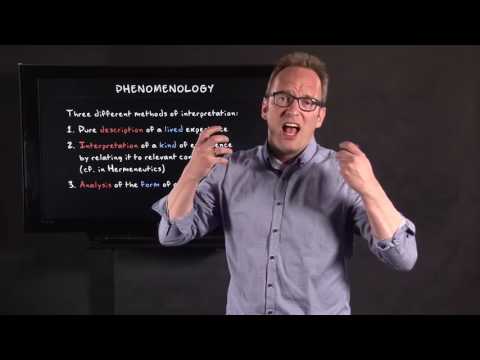
So, let’s chat about something kinda cool—phenomenology. Sounds fancy, right?
Este blog ofrece contenido únicamente con fines informativos, educativos y de reflexión. La información publicada no constituye consejo médico, psicológico ni psiquiátrico, y no sustituye la evaluación, el diagnóstico, el tratamiento ni la orientación individual de un profesional debidamente acreditado. Si crees que puedes estar atravesando un problema psicológico o de salud, consulta cuanto antes con un profesional certificado antes de tomar cualquier decisión importante sobre tu bienestar. No te automediques ni inicies, suspendas o modifiques medicamentos, terapias o tratamientos por tu cuenta. Aunque intentamos que la información sea útil y precisa, no garantizamos que esté completa, actualizada o que sea adecuada. El uso de este contenido es bajo tu propia responsabilidad y su lectura no crea una relación profesional, clínica ni terapéutica con el autor o con este sitio web.
But don’t worry; it’s really just a way to dig deep into how people experience stuff. You know how we all see the world differently? That’s what this is all about.
Imagine sitting down with someone and diving into their memories or feelings, like a cozy coffee date where you really connect.
In this article, we’re gonna explore the methods and applications of phenomenology in qualitative research. Seriously, it’s so fascinating how this approach helps us understand life through someone else’s eyes.
Get ready to uncover some unique insights and stories. It’ll be a fun ride!
Exploring the 7 Types of Qualitative Research Methods in Psychology
Qualitative research in psychology is like diving deep into the ocean of human experience. It’s not about numbers or stats, it’s about understanding feelings and perceptions. One fascinating method used in qualitative research is **phenomenology**. This approach focuses on how people experience things and the meaning they attach to those experiences.
What is Phenomenology? Essentially, it’s all about uncovering the essence of experiences. Imagine you just finished a really intense game that was super emotional, say “The Last of Us.” You might feel a mix of relief, happiness, and sadness at the end. A phenomenological study would ask you to describe those feelings and explore what they mean to you personally.
Here are some key points about phenomenological qualitative research:
- It seeks to understand lived experiences.
- Researchers often conduct in-depth interviews with participants.
- They focus on descriptions rather than explanations.
- The aim is to uncover underlying meanings and essences.
You might wonder how this fits into psychology. Phenomenology can help psychologists understand various phenomena, like grief after losing a loved one or joy after achieving a goal. Think back to that game; if one player loses their character unexpectedly, their reaction could offer insights into themes of loss and attachment.
Methods Used in Phenomenological Research:
- In-depth Interviews: These are usually semi-structured conversations where participants share their stories in their own words.
- Focus Groups: Bringing together a small group can generate diverse perspectives on one topic.
- Diaries or Journals: Encouraging participants to write about their experiences over time can reveal evolving emotions.
But then comes the exciting part – analyzing all that rich data! Researchers look for common themes across various responses. They might find out that many players express similar feelings after completing a challenging game or facing tough choices in it.
Now let’s talk applications. Phenomenological methods can be applied across various psychological fields:
- Counseling Psychology: Understanding clients’ perspectives and personal struggles helps tailor therapy strategies.
- Cognitive Psychology: Studying how individuals perceive reality aids in grasping cognitive processes.
- Sociocultural Psychology: Exploring cultural influences on experiences provides deeper insights into behavior differences.
In your everyday life, think of how you react after finishing an emotionally charged movie or trying something new with friends; those subjective experiences shape who you are more than numbers ever could!
And hey, remember: while this method offers profound insight into human experience, it doesn’t replace professional psychological advice or treatment. If you’re exploring your own feelings—especially tough ones—always consider talking with a mental health professional who can guide you through it properly.
All in all, phenomenology gives us a beautiful lens to view the unique tapestry of human emotions. After all, isn’t our ability to connect through shared experiences what makes us so wonderfully human?
Exploring the Four Types of Phenomenology: A Clear Guide to Their Psychological Implications
Alright, let’s talk about phenomenology. It’s one of those fancy terms in psychology that actually has some pretty cool insights into how we experience the world. Basically, it’s all about understanding our subjective experiences, and there are four main types of phenomenology. Let’s break them down into bite-sized pieces.
1. Descriptive Phenomenology
This is the classic way to understand experiences. Think of it like someone asking you to describe a sunset. You’d share how it looks, feels, and even smell the fresh air around you. In psychology, this approach emphasizes gathering detailed accounts of people’s lived experiences without any big theories or interpretations muddying the waters.
For instance, if you’ve just played a heart-pounding video game where you barely escaped being caught by a monster, descriptive phenomenology would have you focus on that feeling of panic and excitement—no analysis needed.
2. Interpretative Phenomenology
Now we’re getting into a deeper layer here! Interpretative phenomenology takes what someone describes (like that sunset) and digs further for meaning. It’s about understanding not just what happened but why it might matter to that person.
Imagine talking to someone who lost their job after many years. With interpretative phenomenology, you’d explore their feelings around loss and identity—not just the event itself but how they view their entire life through that lens.
3. Existential Phenomenology
This type adds a twist by focusing on existence itself! It dives deep into questions like «What does it mean to be human?» or «How do we find purpose?» Existential phenomenologists look at personal struggles and insights regarding existence.
Think of a character in a game going through an epic quest for self-discovery—finding themselves while facing challenges along the way. That’s existential phenomenology at play! You’re not just playing; you’re uncovering parts of yourself along the journey.
4. Hermeneutic Phenomenology
Now this one is quite the mouthful! Hermeneutic phenomenology blends interpretation with deeper existential questions. It’s like looking at life’s movie script and figuring out what themes are playing out across different scenes.
Let’s say you’re discussing your favorite video game with friends; together you analyze not just gameplay mechanics but also themes of friendship or betrayal that resonate throughout your adventures—how they reflect real-life experiences too!
So why does this matter? Well, each type offers unique insights into our inner worlds and relationships with others:
- Descriptive Phenomenology: Focuses on raw experiences.
- Interpretative Phenomenology: Uncovers meaning behind those experiences.
- Existential Phenomenology: Explores deeper questions about life.
- Semiotic/Hermeneutic Phenomenology: Links texts (or stories) with personal meaning-making.
Remember though: while understanding these types can help us reflect on our thoughts and feelings, they don’t replace professional support if you’re dealing with mental health issues or tough emotional stuff!
In short, phenomenology helps us connect dots between our daily lives and deeper meanings we sometimes overlook—it’s all about seeing things from different angles! So next time you’re reflecting on an experience—whether it’s winning or losing in a game—ask yourself: what does this really mean for me?
Understanding the 4 Essential Steps of Phenomenological Research in Psychology
Phenomenological research in psychology is a way of looking at how people experience the world. It captures feelings, thoughts, and perceptions to understand life from someone else’s perspective. Let’s break down the four essential steps in this type of research.
1. Selecting Participants
First up, you need to find participants who have experienced the phenomenon you want to study. This means digging into specific experiences that relate directly to your topic. For example, if you’re interested in anxiety during public speaking, you’d want to talk to folks who’ve faced that challenge before. The goal here is to collect rich and detailed accounts.
2. Gathering Data
Next, it’s time to gather data through interviews or open-ended questionnaires. You want participants to share their stories freely. Picture a casual conversation with a friend over coffee about their most nerve-wracking moments on stage. You’re there to listen, not judge—or suggest solutions. By doing this, you’ll create a treasure trove of personal insights.
3. Analyzing Data
Now comes the fun part: analyzing the data! You sift through all those stories and look for common themes or meanings that pop up across different participants’ accounts. This might feel a bit like playing a video game where you collect clues or power-ups scattered throughout levels—you’re piecing together an overall picture from individual experiences.
4. Presenting Findings
Finally, it’s time to share what you’ve learned with others! This step involves writing up your findings in a way that’s clear and meaningful for your audience—like telling the highlights of an adventure with friends that makes them feel like they were right there beside you.
So there you have it—the four essential steps of phenomenological research in psychology laid out simply! Remember though: while this process can help illuminate people’s experiences, it doesn’t replace professional help for those who might be struggling with mental health issues or trauma.
In the end, phenomenological research is about understanding human life deeper through shared experiences—much like how we play games together, we connect through our stories!
So, phenomenology—we’re talking about that rich layer of human experience that often gets overlooked. Honestly, it’s kind of mind-blowing when you think about it. It’s all about understanding how we perceive our world and what it means to us. And guess what? That’s where qualitative research steps in like a superhero, ready to gather those deep insights.
To break it down a bit, phenomenological research aims to explore how people actually experience things. Think about the last time you had a strong memory tied to an object or a place. Maybe you picked up your grandmother’s old necklace and suddenly felt a flood of nostalgia—that’s the essence of phenomenology! It tries to capture those personal feelings and meanings.
When researchers immerse themselves in this type of study, they often use interviews, open-ended surveys, or even focus groups. The goal? To create a safe space where participants can express their experiences without any judgment. You know how sometimes we just need to vent? Well, that’s exactly what they’re hoping for—raw emotion and honest reflection.
Take my friend Lisa, for example. She went through an intense life change when she moved across the country for her job. A researcher used phenomenological methods to delve into her feelings during that transition. They spent hours just talking—about her excitement, fears, and even the loneliness she faced settling into a new city. The end result was powerful insights not only into Lisa’s experience but also how others might feel in similar situations.
Now let’s get real for a second; conducting this kind of research isn’t without its challenges. First off, researchers have to tread carefully in their interpretations—like walking on eggshells sometimes! They collect these deep stories but can’t let their own biases creep in and twist things around.
And remember how I mentioned open-ended questions? You gotta be good at listening! It’s not just about asking questions; it’s really about creating an atmosphere where people feel comfortable enough to share deeply personal stories. That’s not always easy when every participant brings their own unique perspective and background—which is also what makes this method so rich!
In applications ranging from healthcare to education or even social justice movements, phenomenological research shines brightly by revealing what really matters to folks on an individual level. Imagine if policy decisions were based on genuine experiences rather than cold statistics—and that can totally happen with this approach!
All in all, phenomenology reminds us why storytelling is such an important part of being human; it connects us through shared experiences while highlighting our unique journeys too! So next time you hear someone say they’re doing qualitative research through a phenomenological lens or something along those lines, take a moment to appreciate the richness behind each person’s story—it could change everything!