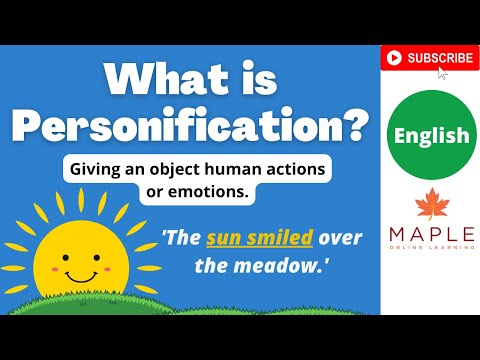
Hey! So, let’s chat about something pretty cool: personification. You know, that nifty little trick where we give human characteristics to stuff that isn’t human? It’s kind of like when you watch a movie with talking animals and suddenly feel all the feels for them.
Este blog ofrece contenido únicamente con fines informativos, educativos y de reflexión. La información publicada no constituye consejo médico, psicológico ni psiquiátrico, y no sustituye la evaluación, el diagnóstico, el tratamiento ni la orientación individual de un profesional debidamente acreditado. Si crees que puedes estar atravesando un problema psicológico o de salud, consulta cuanto antes con un profesional certificado antes de tomar cualquier decisión importante sobre tu bienestar. No te automediques ni inicies, suspendas o modifiques medicamentos, terapias o tratamientos por tu cuenta. Aunque intentamos que la información sea útil y precisa, no garantizamos que esté completa, actualizada o que sea adecuada. El uso de este contenido es bajo tu propia responsabilidad y su lectura no crea una relación profesional, clínica ni terapéutica con el autor o con este sitio web.
Seriously though, personification is everywhere. From poetry to everyday conversation, it adds this amazing flavor to language. Ever wondered why your friend says the wind howled or the sun smiled? Yup, you guessed it—personification!
It’s super fun to think about and can totally change how we see things around us. Stick around, and I’ll break it down easy-peasy with a bunch of examples. Trust me; you might start using personification in your own chats before you know it!
Understanding Personification: A Clear Definition, Explanation, and Examples in PDF Format
Personification is one of those cool literary techniques that makes language come alive. Basically, it’s when you give human characteristics to non-human things. Think about it: how often do we talk about the weather like it has feelings? I mean, when was the last time you said, “The sun smiled down on us”? That’s personification at work!
When you personify something, you help readers or listeners connect emotionally with whatever you’re describing. It creates a vivid image in their minds and makes a piece of writing much more relatable.
Let’s break this down a bit, okay? Here are some key points about personification:
- Definition: Giving human traits, emotions, or intentions to animals, inanimate objects, or abstract concepts.
- Emotion: It allows us to feel empathy for things that can’t actually feel.
- Imagery: By creating these images in our minds, personification can make descriptions more memorable.
You know what? I remember one time reading a story where the wind was described as “whispering secrets through the trees.” I still think of that every time it’s windy! It just sticks with you.
Now, let’s look at some examples. These will really highlight how powerful personification can be:
- The flowers danced in the breeze. – Here, flowers are given human-like qualities like dancing. It paints a lively picture!
- The night wrapped her arms around us. – This gives nighttime a nurturing, almost comforting feeling.
- The angry storm pounded on the roof. – The storm sounds intense and emotional here. We can almost visualize its fury!
In literature and even some songs or games—yeah! Games too!—personification is everywhere. Just think about how characters in video games often have personalities that reflect their design—like wise old trees giving advice or mischievous spirits causing trouble.
Using personification isn’t just for poets and authors. You can sprinkle it into your everyday conversations too! For instance, “My alarm clock yells at me every morning!” adds a fun twist to talking about waking up.
And just so we’re clear: while this stuff enhances your understanding of language and emotion, if you’re ever feeling overwhelmed by feelings or need serious help with your emotions—talking to someone who knows their stuff is always best.
So next time you’re reading something or even chatting with friends, keep an eye out for those little moments where non-human things are acting all human-like. Because seriously? It makes everything way more interesting!
Understanding Personification: Definition and Key Examples in Literature
So, let’s chat about personification. You might have heard this term tossed around in school or stumbled across it in books. Basically, it’s when you give **human traits** to non-human things or abstract ideas. Think of it like this: instead of just saying “the wind blew,” you might say “the wind whispered secrets.” See what I mean? It adds a little flavor, a little drama!
When we personify something, it helps us connect with it on a deeper level. It creates vivid imagery and can make the writing feel more relatable. You know how sometimes, when you’re sad, you might say “the world feels heavy”? Well, that’s personification at work! You’re giving the world an emotion that usually belongs to people.
Here are some key points about personification:
- Enhances Imagery: It paints pictures in our minds. If I say “the sun kissed the horizon,” you can almost see that beautiful moment.
- Evokes Emotions: Personification can stir up feelings. Think about how characters in fairy tales often have talking animals—like a wise old owl or a brave lion.
- Creates Relatability: When we give human qualities to things like nature or emotions, we find common ground with them. Ever felt like your anxiety was lurking over your shoulder? That’s personification!
Let’s check out some classic examples from literature because there’s no better way to see this in action:
– In *The Road Not Taken* by Robert Frost, he writes about roads that «looked» just as inviting as the other. By attributing appearance to roads, they become more than paths; they become choices full of weight and consequence.
– Another great one is from *The Great Gatsby* by F. Scott Fitzgerald where he describes the green light at the end of Daisy’s dock as «watching» over Gatsby’s dreams. This gives life to what is essentially just a light.
Even popular culture loves personification! Take video games: In *The Legend of Zelda*, the moon kind of freaks everyone out by smiling—gives it a personality right? Isn’t that cool?
When writers use **personification**, they’re not just showing off their skills; they’re helping us understand complex emotions and ideas better through familiar perspectives.
So next time you read something that makes an object seem alive—like trees dancing in the wind or clouds crying—you’ll know it’s all about making connections. And while these literary tools can enrich our lives and emotions, if you’re struggling with heavy feelings themselves, remember to seek support from someone who can really help.
In summary? Personification is not just for poets and authors; it’s for all of us who want to express ourselves in relatable ways!
Understanding Personification: Clear Examples and Their Impact on Perception
Personification is a literary device where human traits are given to non-human entities, animals, or abstract concepts. It’s like bringing them to life with emotions and actions. You see this everywhere, from poetry to movies, and it shapes how we connect with the world around us.
Imagine this: you’re playing a video game and the rain starts pouring. Suddenly, the rain is described as “weeping” or “dancing,” adding a layer of drama that makes you feel the game’s intensity more deeply. It kind of pulls you in, making everything feel more alive.
So, why does personification matter? Well, it impacts our perception by evoking feelings and creating connections. When we read that “the wind whispered through the trees,” it gives us a sense of calm and serenity. That’s because our brains are wired to react to emotions associated with human characteristics.
Here are some key points about personification:
- Creates Relatability: By giving human qualities to non-human things, we relate better. For example, describing a storm as “angry” helps us feel its power.
- Enhances Imagery: It paints vivid pictures in our minds. Think about phrases like “the sun smiled down on us.” You can almost picture a lazy afternoon!
- Emotionally Engaging: When emotions are connected to objects or ideas—like saying “time flies”—it makes concepts more relatable and impactful.
- Cultural Reflection: Different cultures have various ways of using personification, reflecting their values and beliefs. A tree might be a wise elder in one culture and a playful spirit in another.
Think about classic fairy tales where animals might talk or act like humans—this isn’t just for fun! It teaches lessons and creates memorable characters that stay with us.
In movies too, like when Pixar’s Cars gives personality to vehicles—it’s not just entertaining but helps convey messages about friendship and teamwork.
But here’s an important note: while personification enriches storytelling and communication, it doesn’t replace professional help when dealing with real emotions or issues. If you’re struggling with feelings or mental health stuff, talking to someone who can help is essential.
In summary, personification adds depth to our experiences by linking abstract concepts with human emotions. It enhances how we understand stories, nature, and even everyday objects around us! You know what? Next time you read or watch something filled with personification, pay attention; it might just change how you see things!
Alright, let’s talk about personification. You know, that cool little literary device that gives human qualities to things that aren’t actually human? Think of it as a way for writers to create a connection between the reader and the world around them.
Imagine walking through a quiet forest. Suddenly, the trees seem to whisper secrets to each other. It’s like they’re alive, right? That’s personification doing its magic! When nature is described this way, it becomes more relatable and evokes feelings—like nostalgia or peace.
Now, here’s the kicker: you see personification everywhere! In stories and poems, sure, but even in everyday life. Ever heard someone say their car “just won’t cooperate” when it breaks down? Totally true for me after a long day at work! It feels like your car is giving you the silent treatment or something.
In literature, you might come across examples like «The wind howled in anger» or «Time slipped away.» These phrases make the concepts of wind or time feel more alive and spirited instead of just abstract ideas floating around in our heads.
So why do writers love using personification? Well, it adds depth and vibrancy to their work. When readers can connect emotionally with inanimate objects or concepts, stories become richer. Plus, it sparks our imagination—making us see things from new perspectives.
Next time you read a poem or dive into a novel, keep an eye out for this sneaky little technique. It’s not just about words; it’s about feelings and connections. You might find yourself smiling at how trees can tell stories just as much as characters can!