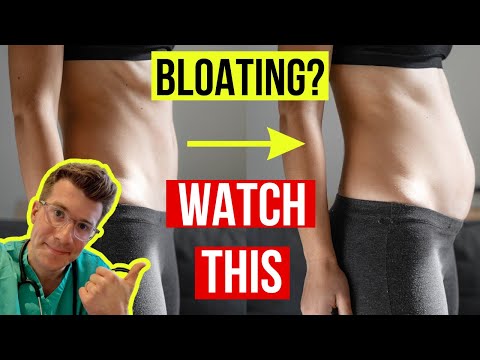
You ever get that weird, uncomfortable belly button pain? Yeah, it’s like, what’s going on in there, right? And then there’s the bloating. Ugh! It can feel like you swallowed a balloon or something.
Este blog ofrece contenido únicamente con fines informativos, educativos y de reflexión. La información publicada no constituye consejo médico, psicológico ni psiquiátrico, y no sustituye la evaluación, el diagnóstico, el tratamiento ni la orientación individual de un profesional debidamente acreditado. Si crees que puedes estar atravesando un problema psicológico o de salud, consulta cuanto antes con un profesional certificado antes de tomar cualquier decisión importante sobre tu bienestar. No te automediques ni inicies, suspendas o modifiques medicamentos, terapias o tratamientos por tu cuenta. Aunque intentamos que la información sea útil y precisa, no garantizamos que esté completa, actualizada o que sea adecuada. El uso de este contenido es bajo tu propia responsabilidad y su lectura no crea una relación profesional, clínica ni terapéutica con el autor o con este sitio web.
Sometimes, it’s just your body being a little drama queen. Other times? Well, not so much. There are legit reasons behind all that discomfort.
Let’s chat about it! You might find some light at the end of this engorged tunnel. We’ll dive into what could be causing those pesky feelings and look at ways to calm things down. Sound good?
Understanding Bloating and Belly Button Pain: Causes, Symptoms, and Psychological Factors
Bloating and belly button pain can really throw a wrench in your day, right? It’s that uncomfortable feeling that seems to come out of nowhere. So, let’s dig into what might be causing this discomfort and—hey, we’ll touch on some psychological factors too.
First off, **bloating** is mainly caused by the accumulation of gas in your digestive system. It can make your stomach feel tight or swollen. You might be wondering what brings this on? Here are some common reasons:
- Dietary choices: Eating too many gas-producing foods like beans, lentils, and certain vegetables can lead to bloating.
- Food intolerances: Lactose intolerance or gluten sensitivity can cause discomfort and bloating.
- Swallowing air: Eating too quickly or drinking carbonated beverages can introduce extra air into your stomach.
Now onto **belly button pain**. It may seem random, but there are several possible culprits behind it:
- Infections: An infection around the belly button area can definitely cause pain.
- Hernias: These occur when a part of your intestine pushes through a weak spot in your abdominal muscles.
- Gastrointestinal issues: Conditions such as appendicitis or diverticulitis could lead to localized pain near the belly button.
Okay, but let’s not forget about how our mind plays a role in all this. Stress and anxiety can trigger gastrointestinal symptoms or magnify existing ones. Ever notice how you feel more bloated during a stressful week? That’s no coincidence! Your body reacts to emotional stress by altering digestion.
In my experience with friends, I’ve seen someone get super anxious about public speaking and then—bam!—the next thing you know they’re complaining about bloating and cramping in their abdomen before they even step up to the mic.
So why do you think psychological factors play such a big role? Well, when you’re stressed or anxious, your body releases cortisol. This stress hormone messes with digestion and can lead to all sorts of tummy troubles.
Of course, if you’re experiencing ongoing symptoms or severe pain, it’s vital to see a professional for proper diagnosis and treatment—don’t just rely on online info! They’ll help figure out if there’s an underlying medical condition that needs addressing.
So remember: while occasional bloating and belly button pain might be manageable at home (try sipping ginger tea or eating more slowly), ongoing symptoms should definitely prompt you to check in with someone who knows what they’re talking about. You deserve comfort without distraction!
Understanding Sharp Pulling Pain in the Belly Button: Causes, Symptoms, and Psychological Factors for Women
Sharp pulling pain around the belly button can really throw you off your game. Seriously, it’s one of those discomforts that makes you stop and take notice. So, what’s going on when you feel that sharp pain? Let’s break it down together.
First off, the belly button area is quite the hub of activity in your body. It connects your digestive system, blood vessels, and nerves. When something is amiss in this area, pain can result from a variety of sources.
- Gastrointestinal issues: Conditions like gas, constipation, or bloating could be causing discomfort. Think of your stomach like a balloon; when it’s overinflated with gas or food, it puts pressure on surrounding tissues.
- Infections: In some cases, infections in the abdomen can lead to sharp pains near the belly button. This might come along with fever or chills—so definitely pay attention if these symptoms show up!
- Appendicitis: Although typically associated with pain in the lower right side of the abdomen, sometimes appendicitis presents as belly button pain at first. It’s definitely something to consider if the pain escalates.
- Kidney stones: Ouch! If those pesky stones start moving through your urinary tract, they can definitely cause pain radiating from the back to around the belly button.
- Pelvic inflammatory disease (PID): For women especially, conditions affecting reproductive organs can lead to localized abdominal pain that might feel sharp.
You know what? Pain isn’t just physical; it often has psychological layers too. Stress and anxiety can trigger physical symptoms—or make existing ones feel way worse. Have you ever felt butterflies in your stomach when nervous? That kind of tension can actually create real discomfort.
Sometimes we get so caught up worrying about our health that we end up hyper-focusing on any little pang or twinge our bodies send out way. This reaction doesn’t make things easier; instead it tends to amplify sensations that might not have bothered us otherwise.
Let’s say you’re playing a video game and you’re trying to beat a tough level—you’re stressed out and fully engaged. Suddenly you feel a twinge near your belly button! Now you’re more aware of every tiny sensation because stress heightens your sensitivity.
Honestly though? If this pulling pain sticks around or gets worse, it’s crucial to reach out for medical advice. I mean it’s better to be safe than sorry!
Keep an eye on other symptoms too: Are you feeling nauseous? Have there been changes in appetite? These details matter when talking to a healthcare provider about what’s going on.
So anyway, while addressing both physical and psychological factors, don’t hesitate to get professional help if needed! Your health is no game!
Understanding Belly Button Pain in Women: Causes, Symptoms, and Psychological Factors
Belly button pain can be really uncomfortable, and for women, it can come from various sources. You know, it’s that weird feeling when you’re not sure if it’s a cramp, gas, or something else entirely. So let’s break this down a bit.
First off, **the causes of belly button pain** can range from minor issues to more serious conditions. Here are some possible culprits:
- Gastrointestinal problems: Issues like constipation or bloating often lead to discomfort around the belly button area.
- Infections: Sometimes, infections such as umbilical hernias or even gastrointestinal infections can cause pain.
- Pregnancy-related changes: Women may experience belly button pain during pregnancy as their body goes through significant changes.
- Appendicitis: This isn’t just pain near the right side; sometimes it starts around the belly button before shifting. Yikes!
Now let’s talk about **symptoms**. Most of the time, you might feel some sort of discomfort in your abdomen. But symptoms can vary:
- If it’s sharp or constant, that’s definitely something to note.
- Bloating can accompany pain; you might feel your stomach is distended like a balloon.
- Nausea or changes in appetite could show up too.
Emotions play a role too! Seriously. You’d be surprised how stress and anxiety can manifest physically. When you’re stressed out, your body reacts in all sorts of ways—like tightening up there in the stomach area.
For example, imagine you’re getting ready for a big presentation at work or school; that knot in your stomach could very well be tied to anxiety rather than lunch not sitting right.
Then there are also **psychological factors** involved. Sometimes chronic stress leads to gastrointestinal issues which can contribute to belly button pain.
- Anxiety disorders: They often lead to digestive complaints which may include that annoying pain around your navel area.
- Mood swings: fluctuations in mood can trigger bowel disturbances too!
And look! If things become unbearable or if pain lasts longer than expected, reaching out for professional help is really important. I mean, consulting with a healthcare provider will ensure you get the right diagnosis and treatment.
In short, dealing with belly button pain isn’t just about what you ate last night! It includes understanding how lifestyle choices, emotions, and even physical health all blend together to create this interesting puzzle we call our bodies. So next time something feels off there—don’t just brush it aside; listen closely!
Alright, let’s talk about something we don’t often discuss: belly button pain and that lovely feeling of bloating. You know what I’m talking about, right? That weird pressure that sometimes seems to come out of nowhere. It’s one of those things that can really get under your skin — sometimes literally.
So, here’s the deal. Your belly button is a remnant from when we were all tiny little beings in our mom’s tummy. It’s a pretty important spot because it connected us to her and provided all those essential nutrients. But as we grow up, it can also become a little tricky. Pain or discomfort around the navel area could be linked to various issues, from minor ones like gas or indigestion to more serious stuff like appendicitis.
Let me share a quick story with you. A good friend of mine once called me in a panic because she had this intense aching around her belly button after a big holiday meal. She thought, “Oh man, did I eat too much?” And honestly? It turned out she was just experiencing gas buildup from all the rich food! Yep, it’s crazy how the body works; one moment you’re enjoying stuffing and pie, and the next you’re regretting every bite while clutching your stomach.
But hey, not all cases are so straightforward! Sometimes that bloated feeling can have deeper causes like food intolerances or gastrointestinal disorders. Bloating happens when gas builds up in your digestive system or when your stomach gets sensitive to certain foods or ingredients. This can lead to pain around the belly button area as well.
Now for solutions — ‘cause I know you’re probably wondering how to tackle this situation! First off, pay attention to what you eat; keeping a food diary might help identify any culprits causing these annoying symptoms. If it’s just some temporary discomfort from overeating or eating too quickly? Well then, try sipping on some peppermint tea — it works wonders for soothing digestion!
However, if your pain is persistent or if you’re also experiencing other symptoms like fever or severe pain? Seriously consider seeing a doctor — they’ll get to the bottom of things much faster than WebMD ever could!
In the end, our bodies are strange yet marvelous creations that can sometimes throw unexpected curveballs at us. So let’s listen closely and take care of ourselves; trust me, you’ll feel so much better knowing what’s going on inside!