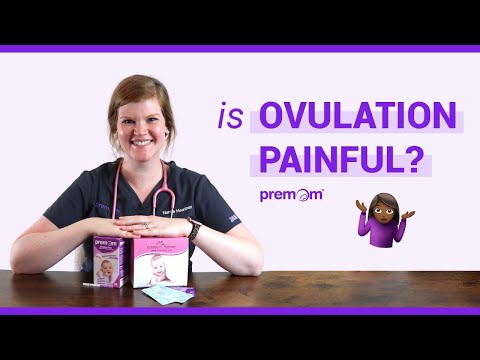
Hey there! So, let’s chat about something that can really knock you off your feet – ovulation cramps. I mean, seriously, they can be a total surprise, right? One day you’re feeling fine, and the next, BAM! Hello, cramp city!
Este blog ofrece contenido únicamente con fines informativos, educativos y de reflexión. La información publicada no constituye consejo médico, psicológico ni psiquiátrico, y no sustituye la evaluación, el diagnóstico, el tratamiento ni la orientación individual de un profesional debidamente acreditado. Si crees que puedes estar atravesando un problema psicológico o de salud, consulta cuanto antes con un profesional certificado antes de tomar cualquier decisión importante sobre tu bienestar. No te automediques ni inicies, suspendas o modifiques medicamentos, terapias o tratamientos por tu cuenta. Aunque intentamos que la información sea útil y precisa, no garantizamos que esté completa, actualizada o que sea adecuada. El uso de este contenido es bajo tu propia responsabilidad y su lectura no crea una relación profesional, clínica ni terapéutica con el autor o con este sitio web.
You know how some people talk about that “mid-cycle pain”? Well, it’s a real thing. And for many folks, it can be quite the experience. You might wonder what’s going on down there and why it happens in the first place.
Don’t worry; we’re gonna break it down together. We’ll explore what causes these little gremlins to pop up and maybe even find some chill ways to ease the discomfort. So sit tight!
Understanding Ovulation Cramping: Does It Indicate Pregnancy?
Ovulation cramping can be a bit of a puzzle, and many people wonder if it’s linked to pregnancy. So, let’s clear things up.
Ovulation cramps, sometimes called *mittelschmerz* (which is a fancy German word that means “middle pain”), usually happen about midway through your menstrual cycle. They can feel like a sharp or dull ache on one side of your lower abdomen. Just like leveling up in your favorite game, your body goes through changes every month, and this is just one of those changes.
Now, when you ovulate, an egg is released from your ovary. Sometimes the body gets a little noisy about it! Here are some key points to keep in mind:
- Timing: Ovulation cramps typically occur around 14 days before your period starts.
- Symptoms: Besides cramping, you might notice other signs like increased cervical mucus or slight spotting.
- Intensity: The pain level can vary; some feel just a twinge while others may experience more discomfort.
You might be thinking: “Okay, but does cramping mean I’m pregnant?” Well, not necessarily. Ovulation cramps are part of the cycle when you’re fertile but don’t automatically signal pregnancy. When an egg isn’t fertilized after ovulation, you will eventually get your period.
Some people confuse these cramps with early pregnancy signs later on because they can feel similar to implantation pain or period cramping.
Here are some differences:
- Ovulation cramps: Usually sharp and localized; happens midway through the cycle.
- PMS cramps: Throbbing pains that come with other symptoms like bloating and mood swings just before your period.
- Implantation cramping: Occurs about a week after ovulation; often milder and short-lived.
The best way to know what’s going on in your body is by tracking your cycle over time—like keeping score in a game!
When it comes to relief options for ovulation cramping, there are some straightforward ways to ease the discomfort:
- Heat therapy: Applying a warm compress can work wonders.
- Pain relievers: Over-the-counter medications like ibuprofen may help if the pain feels too intense.
- Mild exercise: Sometimes just moving around (even dancing!) can ease cramping.
Remember though—if you’re worried about changes in your body or if the pain gets really bad, reaching out to a healthcare professional is never a bad idea. They’re like the final boss of health questions—always there to give advice when needed!
So there you have it! Understanding those annoying ovulation cramps might not make them vanish completely but knowing what they mean can help put things into perspective. Keep track of how you’re feeling each month; it’s all part of getting familiar with how your unique system works!
Understanding Ovulation Cramps: Timing and Impact Before or After Egg Release
Ovulation cramps, also known as mittelschmerz, can really throw a curveball into your month. You might experience these little surprises around the time your ovaries release an egg, which usually happens about midway through your menstrual cycle. Some women feel them sharply, while others may only notice a dull ache. But what’s going on in your body when this happens? Let’s break it down.
When you’re in the middle of your cycle, both hormones and physical changes are at play. Essentially, the follicle that houses the egg swells up and then bursts to release it. This can cause some discomfort or pain on one side of the lower abdomen – the side where the egg is being released from. Think of it like a balloon popping; there’s pressure building up until it just gives way.
Here are some key points about ovulation cramps:
- Timing: Ovulation usually occurs about 14 days before your next period, but that can vary based on individual cycles.
- Location: The pain typically appears on one side, depending on which ovary is doing its thing.
- Duration: Cramps can last anywhere from a few minutes to several hours; in some cases even a couple of days.
- Intensity: Pain levels can differ dramatically. For some, it’s like a heavy feeling; for others, serious cramping that might make you wince.
Okay, so what causes these cramps? Along with the physical act of the follicle popping, other factors such as hormonal changes and inflammation in the surrounding area can contribute to discomfort. It’s kind of like when you’re playing a game and get caught in an unexpected challenge—your body’s just reacting to what’s happening inside.
Now let’s talk relief options because let’s be honest: nobody wants to deal with this if they don’t have to!
- Pain relievers: Over-the-counter meds like ibuprofen or naproxen can help ease those cramps.
- Heat therapy: Applying a heating pad or hot water bottle to your belly can be super soothing—think of it as giving yourself a cozy power-up!
- Meditation or relaxation techniques: Sometimes just taking deep breaths can work wonders—seriously, it brings down stress levels and helps with pain perception as well.
You might even find that keeping track of your cycle helps you anticipate when those cramps are coming (kind of like setting an alarm for game night). However, if your ovulation pain becomes unbearable or interferes heavily with daily life, that’s when it’s worth chatting with a healthcare provider.
So yeah, while ovulation cramps might be part of the monthly rollercoaster ride for many women, understanding their timing and impact helps make them feel just a bit more manageable. And remember: if something feels off or too intense? Always reach out for professional help!
Understanding Mittelschmerz: Causes, Symptoms, and Psychological Impact on Women’s Health
So, let’s chat about Mittelschmerz. Ever heard of it? It’s that little crampy reminder that your body is getting ready for ovulation. It can catch you off guard, trust me! You might feel it as some discomfort on one side of your lower abdomen. But let’s get into the nitty-gritty, shall we?
What are the Causes? Well, this pain happens when your ovary releases an egg. The process can be accompanied by a bit of bleeding, which irritates the lining of your abdomen. Totally normal stuff! Here’s a rundown:
- The egg bursts out of the follicle.
- You may also notice some fluid or blood from the ovary.
- This can irritate surrounding nerves and tissues.
Now you might be thinking, how long does this last? Most times it’s just a few minutes to a couple of hours. But sometimes it lingers for days; that really depends on your body!
What about Symptoms? Apart from those pesky cramps, you might also notice:
- A bit of bloating.
- Spotting or light bleeding.
- Mild nausea or mood swings.
You know what? I remember one time I was in the middle of playing my favorite board game with friends when suddenly—bam!—cramps kicked in. It threw me off my game for sure! Felt like I was losing at two things at once. So yeah, it’s not always a pleasant surprise!
The Psychological Impact is another layer worth mentioning. Dealing with these cramps month after month can wear you down mentally too. You might find yourself:
- Anxious about when they’ll strike next.
- Feeling frustrated if they interrupt your daily activities.
- Slightly down or affected emotionally due to the physical discomfort.
This cycle can affect not just your mood but also how you engage with others and handle stress. Seriously, if every month brings discomfort, it’s easy to feel overwhelmed sometimes!
Relief Options, oh how we love these! If you’re dealing with Mittelschmerz and looking for some relief strategies:
- Heat therapy: A hot water bottle works like magic!
- Pain relievers: Over-the-counter meds like ibuprofen might help ease pain.
- Meditation or relaxation techniques: These can support mental well-being too.
If these cramps are interfering too much with life—or if they start feeling unbearable—it might be time to check in with a healthcare provider. They’ll help you rule out any other issues and provide options tailored just for you!
The bottom line is that while Mittelschmerz is common and usually nothing to worry too much about, understanding what’s going on helps you cope better mentally and physically. So next time those cramps hit during game night (or whatever you’re up to!), you’ll know what you’re dealing with!
Hey, you know those times when you’re just going about your day, living life, and suddenly, BAM! You feel this weird cramp in your lower abdomen? If you’re a gal, you might just be dealing with ovulation cramps. Yep, they can hit hard right in the middle of your cycle!
So what’s the deal? Well, ovulation cramps—also called mittelschmerz (say that three times fast)—happen when an ovary releases an egg. It’s like your body says, “Hey, let’s get ready for something awesome!” But sometimes it’s not so fun. You might feel sharp cramps or slight aches that can last anywhere from a few minutes to a couple of days. Crazy right?
I remember one time I was at this concert with friends. We were having a blast until I got hit with this cramp that made me want to curl up into a tiny ball. It was embarrassing trying to explain why I had to step outside while everyone else was dancing away. Seriously awkward! But once I started paying attention to my cycle, I realized that the timing wasn’t a coincidence.
You know what’s wild? The actual causes of these cramps aren’t super clear-cut for everyone. Some say it has to do with the follicle bursting open and releasing the egg. Others mention all kinds of things like hormones and inflammation playing their part too. It’s like nature’s little reminder that our bodies are doing some intricate juggling acts behind the scenes.
Now if you’re looking for relief—because who wants to deal with cramps when there’s life waiting out there?—there are a few options worth considering! For starters, over-the-counter pain relievers can work wonders for many people. Just pop an ibuprofen or naproxen before things get too rough.
And if meds aren’t your jam? Heat packs can be really comforting! Just wrap one around your tummy while you’re binging on Netflix or scrolling through social media—you know you do it too! Some folks also swear by gentle exercises or yoga; stretching it out seems to help ease those tight muscles.
But hey, if your cramps seem way more intense than normal or hang around longer than expected, it might be worth chatting with a healthcare provider just to check everything’s alright down there.
In the end, it’s all about finding what works for you and managing those pesky ovulation cramps when they decide to show up uninvited at your party! So keep track and don’t hesitate to try different methods until you find relief that suits you best!