Hey! So, let’s chat about this thing called MLQ. It’s a little acronym that stands for Multifactor Leadership Questionnaire, and it’s super interesting.
Este blog ofrece contenido únicamente con fines informativos, educativos y de reflexión. La información publicada no constituye consejo médico, psicológico ni psiquiátrico, y no sustituye la evaluación, el diagnóstico, el tratamiento ni la orientación individual de un profesional debidamente acreditado. Si crees que puedes estar atravesando un problema psicológico o de salud, consulta cuanto antes con un profesional certificado antes de tomar cualquier decisión importante sobre tu bienestar. No te automediques ni inicies, suspendas o modifiques medicamentos, terapias o tratamientos por tu cuenta. Aunque intentamos que la información sea útil y precisa, no garantizamos que esté completa, actualizada o que sea adecuada. El uso de este contenido es bajo tu propia responsabilidad y su lectura no crea una relación profesional, clínica ni terapéutica con el autor o con este sitio web.
You probably know that leadership isn’t just about bossing people around. It’s way deeper than that, you know? It’s more about inspiring your team and really connecting with them.
MLQ is like a mirror that helps leaders see how they shine—or don’t shine—when it comes to guiding others. Crazy, right?
It breaks down what makes a good leader into different styles and traits. Honestly, it’s kind of enlightening if you dig into it!
Stick around as we unravel how this nifty tool plays a vital role in shaping leaders—could be useful for you or someone you know!
Downloadable Multifactor Leadership Questionnaire PDF: A Key Tool for Assessing Leadership Styles
The Multifactor Leadership Questionnaire (MLQ) is a pretty interesting tool for assessing leadership styles. It really helps in identifying different aspects of leadership behavior. You might wonder, what’s the big deal about that? Well, the MLQ gives insights into various leadership qualities, which can make or break a team’s success.
What Is the MLQ?
Essentially, it’s like a survey that measures how leaders act in their roles. It looks at several key factors like transformational and transactional leadership styles. Transformational leaders inspire and motivate others to achieve goals beyond their self-interests. On the other hand, transactional leaders focus on structure and rewards based on performance.
Why Use the MLQ?
Using the MLQ is super helpful for personal growth and development. Leaders can learn what they excel at and where they can improve. Imagine you’re playing a video game; you wouldn’t want to just keep rushing through levels without understanding your character’s abilities, right? The MLQ helps leaders figure out their strengths and weaknesses so they can level up effectively.
- Transformational Leadership: This style involves inspiring teams through vision and enthusiasm.
- Transactional Leadership: Here, leaders set clear goals and reward followers for meeting them.
- Laissez-faire Leadership: This is more hands-off—leaders take a back seat while team members take charge.
The Benefits of Assessment
Now, let’s chat about why this assessment is crucial in leadership development. Getting feedback through the MLQ helps create self-awareness. You know when you’re playing a co-op game with friends? Someone needs to point out if you’re hogging all the glory—or going full stealth mode when teamwork is needed! The same goes here; feedback from peers or subordinates gives leaders clarity on their impact.
Also, using MLQ results can drive targeted training programs within organizations. For example, if you find out that your transformational skills are lacking but your transactional ones are spot-on, you can work specifically on motivating your team more effectively.
Anecdote Time!
Thinking back to my last job—there was this manager who seemed great at getting results but was literally awful at connecting with us on a personal level. I remember one time he tried to motivate us by handing out rewards for targets met but never acknowledged our ideas or struggles in meetings. It felt transactional without any warmth! If he had used something like MLQ feedback early on, maybe he’d have seen how crucial it was to build relationships too.
Cautions
So here’s something important: while using tools like the MLQ is beneficial, they’re not a magic fix-all remedy for leadership challenges. You can’t just toss a questionnaire at someone and expect them to suddenly become an effective leader overnight! These assessments should be combined with ongoing learning opportunities and sometimes even professional coaching.
To wrap it all up, using an assessment tool like the Multifactor Leadership Questionnaire serves as an insightful way to navigate leadership styles better while promoting personal growth. It’s not just about checking off boxes; it’s about understanding yourself better so you can lead effectively—and maybe even inspire others along the way!
“Comprehensive Guide to the Multifactor Leadership Questionnaire Manual: Understanding Leadership Styles and Their Impact”
The Multifactor Leadership Questionnaire (MLQ) is a tool that helps us understand different leadership styles. It’s like a cheat sheet for figuring out how you or someone else leads. This questionnaire digs into what makes a good leader by breaking it down into measurable factors.
What is the MLQ?
The MLQ was created by Bernard Bass and Bruce Avolio, who focused on transformational and transactional leadership styles. Basically, they wanted to find out how these styles affect followers, and the results are pretty interesting.
Transformational Leadership
This style is all about inspiring and motivating people to achieve more than they thought possible. Transformational leaders are like those coaches in sports movies—think of Coach Carter or that inspirational coach from Remember the Titans. They encourage their team, foster creativity, and aim for personal growth.
Transactional Leadership
On the flip side, we have transactional leadership. This style focuses more on clear structures and rewards for performance—like your typical boss handing out bonuses for hitting targets. It’s effective but often lacks the emotional connection found in transformational leadership.
The Five Key Factors of MLQ
The MLQ measures specific aspects of leadership that play critical roles in development:
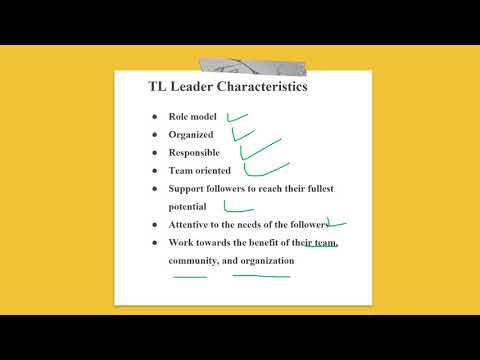
- Idealized Influence: Leaders act as role models.
- Inspirational Motivation: They inspire enthusiasm and commitment.
- Intellectual Stimulation: Encouraging innovation and creative thinking.
- Individualized Consideration: Paying attention to individual needs.
- Contingent Reward: Providing rewards based on performance.
You see? Each factor gives you a glimpse into how leaders operate in real-world situations!
The Impact of Leadership Styles
How do these styles shape teams? Well, teams led by transformational leaders often experience higher morale, lower turnover rates, and just generally perform better overall. Imagine being part of a coed soccer team where your coach uplifts you instead of just focusing on wins—it feels empowering!
In contrast, while transactional leaders can boost efficiency in organizations with repetitive tasks (like factories), they might miss out on tapping into their team’s potential for innovation.
The Role of MLQ in Leadership Development
Using the MLQ can aid in identifying personal strengths and weaknesses as a leader. For instance, if your results show low scores in intellectual stimulation, that could be a call to action! Maybe you should focus on creating an environment where new ideas thrive—kind of like how game designers innovate to keep players engaged.
Organizations can use this tool for **360-degree feedback**—this means collecting insights from colleagues at all levels. It helps to provide leaders with a clear picture of their impact on others.
Anecdote Time!
I remember working with a manager who was all about the numbers—super transactional. Although she got results, it often felt like we were just cogs in the machine. Then one day she encouraged us to suggest ideas for improving our workflow—and wow! The energy shifted! People started showing up with enthusiasm because we felt heard! That’s when I realized how crucial inspiration really is.
So anyway, it’s essential to know that while the MLQ is super helpful for insight into leadership styles—it’s not a magic fix-all. If you’re struggling with serious issues at work or feel overwhelmed by stress as a leader or member of your team, talking to someone trained professionally can make all the difference.
In summary, understanding leadership through tools like the MLQ isn’t just an academic exercise; it’s about real lives and experiences! How you lead affects everyone around you—and ultimately drives success or failure within your organization.
Understanding Multifactor Leadership Questionnaire Scoring: A Guide to Effective Leadership Assessment
Leadership ain’t just about bossing people around. It’s a complex dance of skills, personality, and influence. That’s where the Multifactor Leadership Questionnaire, or MLQ, steps in. So what’s the deal with this tool? Let’s break it down!
What is the MLQ?
The Multifactor Leadership Questionnaire is a tool designed to measure different types of leadership styles. It mainly focuses on two styles: transformational and transactional leadership. Transformation leaders inspire and motivate their followers, while transactional leaders focus on rewards and punishments to get tasks done.
When you complete the questionnaire, you answer questions about your leadership behaviors and how others perceive you as a leader. It’s like getting feedback in a video game—you’re not just leveling up solo; your teammates give you insight into your skills.
Scoring the MLQ
Here’s how it works: after filling out the questionnaire, you’ll receive scores across various factors of leadership:
- Transformational Leadership: This includes elements like charisma, inspiration, intellectual stimulation, and individualized consideration.
- Transactional Leadership: Here you’ll find dimensions such as contingent reward (offering rewards for effort) and management by exception (only intervening when things go wrong).
- Laissez-faire Leadership: This is basically a fancy term for hands-off leadership—when leaders avoid taking action.
Scores are usually given on a range that helps indicate how prominent each style is in your leadership approach. Think of it like assigning health points to different character traits in a role-playing game.
Interpreting Your Scores
Once you have your scores, it’s time to look at what they mean for your development as a leader:
– **High Transformational Scores:** If you’re scoring high here, congratulations! You likely inspire those around you and foster an environment that encourages growth.
– **Transactional Scores:** A balance is good; too much focus on transactions can lead to a lack of motivation among followers because no one likes feeling like they are just doing things for rewards.
– **Laissez-faire Scores:** High scores here can indicate that you might need to step up more often. After all, leaving everyone to their devices could lead them into chaos—think of it like letting players roam free without guidance in an open-world game.
Example time! Imagine you’re running a sports team. If you’re always pushing players to do their best (transformational), rewarding them when they meet goals (transactional), while also checking in occasionally when they’re struggling (not laissez-faire), then you’re doing great!
The Role of MLQ in Leadership Development
So why is this whole scoring thing important? Well, it’s super useful for understanding where you stand as a leader. You can identify strengths and areas that may need work.
For instance, if your transformational score is low but you’d love to be more inspirational, there are ways to improve! Maybe try reading books on emotional intelligence or take workshops that focus on communication skills.
It’s kind of like leveling up in a video game—you know what abilities need boosts based on feedback from the system and from other players.
You’re Not Alone!
Using the MLQ doesn’t replace professional help if you’re struggling with leadership challenges or personal issues; it’s simply one tool among many. Coaches or mentors can help interpret these scores too!
In short: don’t think of this as some end-all assessment but rather as an opportunity for growth—a chance to reflect on who you are as a leader and who you’d like to become.
By embracing the results from something like the MLQ seriously but also playfully tweaking your approach over time… well that could really make all the difference! You with me?
So, let’s chat about the MLQ, or the Multifactor Leadership Questionnaire. Sounds a bit stiff, huh? But honestly, it’s a pretty neat tool for understanding what makes a good leader tick. If you’re into leadership stuff—whether it’s at work or in other areas of life—you might find this really interesting.
Imagine this: You’ve been working on a team project with a boss who just doesn’t seem to care. Their idea of leadership is more like “do what I say” instead of inspiring you. It feels frustrating, right? Now think about another scenario where your leader encourages creativity and supports your growth. You’d probably be more engaged and motivated, and that’s where the MLQ comes in.
The MLQ helps assess different leadership styles by measuring key factors like transformational and transactional leadership. Transformational leaders inspire you to reach new heights—like that amazing teacher who believes in your potential even when you doubt yourself. On the flip side, transactional leaders focus on rewards and punishments to get things done—like that coach who only cheers when you score points.
But here’s the kicker: it’s not just about identifying these styles. The real magic happens when organizations use the MLQ to develop their leaders. Leaders can see where they shine and where they might need some work. This sort of self-awareness can lead to growth that not only benefits them but also uplifts their team.
So why does this matter? Well, good leadership has a direct impact on team morale and productivity. Think about how much better you feel working under someone who motivates you versus someone who micromanages everything! It’s a no-brainer.
In my own life, I remember taking on a volunteer role where I had to lead a small group for an event. At first, I was all over the place—trying to manage every tiny detail because I thought that was what being in charge meant. But after getting feedback from teammates (thankfully!), I realized I needed to shift gears and encourage collaboration instead of just directing traffic.
It was like flipping a switch! Once I embraced more transformational qualities—like listening to ideas and supporting creativity—the whole atmosphere changed for us all, making planning so much smoother—and way more fun!
All in all, using tools like the MLQ can help people understand themselves better as leaders while also strengthening teams overall. So if you’re even slightly curious about honing your leadership skills or understanding those around you better, why not take a look at what tools are out there? You might find something that resonates with you!