So, let’s talk about something that hits close to home for a lot of people: major depression. It’s heavy stuff we’re dealing with, right? It can feel like you’re dragging a weight around all day.
Este blog ofrece contenido únicamente con fines informativos, educativos y de reflexión. La información publicada no constituye consejo médico, psicológico ni psiquiátrico, y no sustituye la evaluación, el diagnóstico, el tratamiento ni la orientación individual de un profesional debidamente acreditado. Si crees que puedes estar atravesando un problema psicológico o de salud, consulta cuanto antes con un profesional certificado antes de tomar cualquier decisión importante sobre tu bienestar. No te automediques ni inicies, suspendas o modifiques medicamentos, terapias o tratamientos por tu cuenta. Aunque intentamos que la información sea útil y precisa, no garantizamos que esté completa, actualizada o que sea adecuada. El uso de este contenido es bajo tu propia responsabilidad y su lectura no crea una relación profesional, clínica ni terapéutica con el autor o con este sitio web.
But here’s the thing: when it comes to managing depression, medication can really help. Seriously! There are different types out there, each with their own perks and quirks.
You might be wondering: “Which one’s for me?” or “What should I know before jumping in?” Trust me, you’re not alone in those thoughts! So, grab a snack and let’s break down the ins and outs of meds for this tough battle. You with me?
The Best Medications for Managing Major Depressive Disorder: A Comprehensive Guide
I’m really glad you’re curious about managing major depressive disorder (MDD) with medications. It’s a tough journey, and understanding your options can be super helpful. Just remember, this isn’t a substitute for talking to your doctor or therapist. They’re your go-to people for personalized advice.
When it comes to medications for MDD, there are generally several types you might come across. Here’s the scoop:
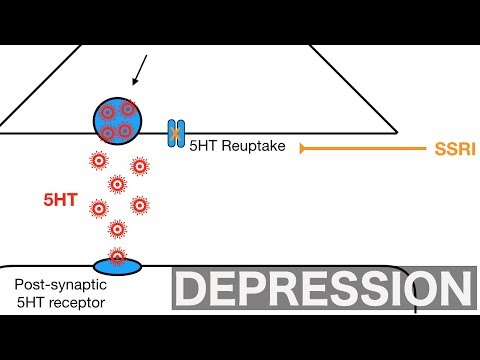
- Selective Serotonin Reuptake Inhibitors (SSRIs): These are usually the first line of treatment. They work by increasing serotonin levels in the brain, which can help improve mood and reduce anxiety. Common examples include fluoxetine (Prozac) and sertraline (Zoloft). You might feel some difference in a couple of weeks!
- Serotonin-Norepinephrine Reuptake Inhibitors (SNRIs): Similar to SSRIs but they also boost norepinephrine along with serotonin. This can be beneficial if SSRIs don’t cut it for you. Duloxetine (Cymbalta) and venlafaxine (Effexor) are popular picks here.
- Atypical Antidepressants: These don’t fit neatly into either category but can still be effective. Bupropion (Wellbutrin), for instance, is often used because it can help with motivation and focus too—kind of like leveling up in your favorite RPG!
- Trazodone: This one often helps with sleep issues related to depression since it has sedative properties. It’s like getting a power nap after a long day of battling those emotional dragons.
- Monoamine Oxidase Inhibitors (MAOIs): These are less common today due to dietary restrictions, but they’re still an option if others haven’t worked out for you. Foods containing tyramine need to be avoided while on these meds.
Now, each of these meds comes with its own set of benefits and considerations. Like, SSRIs tend to have fewer side effects than older antidepressants. But hey, side effects can vary from person to person—it’s not always easy figuring out what will work best.
And don’t forget about timing! Medications often take a few weeks before you see any real improvement—it’s like waiting for that next big release in your favorite game; patience is key!
While medications can truly help manage symptoms, they might not work the same way for everyone. Sometimes you need additional support through therapy or lifestyle changes—exercise is like giving your brain a good workout too!
If you’re considering meds, here’s what I would suggest you think about:
- Your current health condition: Let your doctor know about any other medical issues or medications you’re taking.
- Potential side effects: Some people experience weight gain or decreased libido; others might feel sleepy or jittery.
- The length of treatment: It’s not uncommon to stay on medication for several months or even longer.
- Your personal preferences: You may choose between pills versus other options like antidepressant patches or injections.
And hey—you’re totally allowed to ask questions! Making decisions about medication is important and personal.
Just keep in mind that finding the right medication might take some trial and error—that’s totally normal! And remember: this info doesn’t replace professional advice—it just helps you understand what’s out there as you continue on this path toward feeling better.
Take care out there!
Top 10 Antidepressant Medications: Efficacy, Uses, and Considerations
Sure, let’s talk about antidepressant medications. They’re a significant piece of the puzzle when dealing with major depression, and understanding them can help you or someone you know make informed decisions. Remember, though, these are not one-size-fits-all solutions, so always chat with a healthcare professional before making any changes.
- SSRIs (Selective Serotonin Reuptake Inhibitors): These are like the go-to meds for depression. They work by increasing serotonin levels in your brain. Common examples include fluoxetine (Prozac) and sertraline (Zoloft). Many find them pretty effective.
- SNRIs (Serotonin-Norepinephrine Reuptake Inhibitors): Similar to SSRIs but also boost norepinephrine. Venlafaxine (Effexor XR) is a popular choice here. They might be more helpful for people who also experience anxiety.
- NDRIs (Norepinephrine-Dopamine Reuptake Inhibitors): This group includes bupropion (Wellbutrin). It’s often chosen when someone is looking to avoid weight gain or sexual side effects that sometimes come with other antidepressants.
- Tricyclic Antidepressants: Older meds but still used today. They can be useful if other options haven’t worked. Think of amitriptyline. However, they come with more side effects compared to newer drugs – it’s like choosing a retro game console; it might still have its charm but can be a bit clunky.
- Mirtazapine: This one acts differently than others and is known for helping with sleep issues as well, which can be super beneficial if insomnia is part of the depression package.
- Atypical Antidepressants: This category covers various medications that don’t fit neatly into other categories. An example is trazodone, which is often prescribed for both depression and sleep problems.
- MAOIs (Monoamine Oxidase Inhibitors): These are typically last-resort options due to dietary restrictions and possible interactions with other meds. Foods like aged cheese or cured meats are big no-nos on these meds!
- Psychedelics: There’s growing interest in substances like psilocybin for treatment-resistant depression. While not standard medication yet, research shows promise – but hold your horses; they’re still being studied!
- Cognitive Behavioral Therapy Meds: Sometimes combined with meds for better results, this isn’t a specific medication but worth bringing up since therapy often works hand-in-hand with antidepressants.
- User experience may vary: Don’t forget that what works for one person may not for another – just like how some gamers love role-playing games while others prefer puzzles!
Alrighty then! Here’s the deal: while these medications have proven efficacy and uses in treating major depression, they come with considerations too—like side effects and interactions. Also, some folks get great results in just a few weeks, while others might take longer.
And this is important: using medication should never replace professional help or therapy. It can be an essential part of an overall treatment plan but needs to be managed by someone who knows their stuff.
So there you have it! A rundown on different types of antidepressant meds out there—just keep chatting with your doctor about what fits your needs best!
Top Medications for Treating Depression and Anxiety: A Comprehensive Guide
Sure! So, let’s chat about medications that are often used to treat depression and anxiety. It’s a big topic, but I’ll keep it easy to follow.
First off, we need to talk about **antidepressants**. These are the go-to meds for major depression. They come in a few different classes, each working in its own way to help balance chemicals in your brain.
- SSRIs (Selective Serotonin Reuptake Inhibitors): These are super common for treating depression. They work by increasing serotonin levels, which can help lift your mood. Popular ones include fluoxetine (Prozac) and sertraline (Zoloft). One friend took Zoloft and said it really helped him feel more like himself again.
- SNRIs (Serotonin-Norepinephrine Reuptake Inhibitors): Similar to SSRIs but they also target norepinephrine. Meds like venlafaxine (Effexor) can be beneficial if SSRIs don’t do the trick for you.
- TCA (Tricyclic Antidepressants): These are older meds and not as commonly prescribed anymore because they can have more side effects. But some people respond well to them, like amitriptyline.
- MAOIs (Monoamine Oxidase Inhibitors): Another older type of med that requires a strict diet because certain foods can cause bad reactions with them. Examples include phenelzine(Nardil).
When it comes to **anxiety**, some of these antidepressants can also help you out! SSRIs especially work here too—so you might get prescribed one for both issues!
Let’s talk about **benzodiazepines**, though. They’re medications that provide quick relief from anxiety symptoms by depressing the central nervous system. Think of them as a safety net when anxiety hits hard—like when you’re stuck in a tough level of your favorite video game and just need a pause button! Common ones include diazepam(Valium) or lorazepam(Ativan). But be careful with these; they’re usually for short-term use because there’s potential for dependency.
Now, each medication has its pros and cons. You might experience side effects ranging from minor annoyances like dry mouth or weight gain, to more serious issues that could require switching meds altogether.
It’s key to remember that what works wonders for someone else may not do the trick for you. Finding the right medication is often about trial and error—and that’s perfectly normal!
Also important is that **medications come with no magic bullet guarantee**; combining them with therapy can be really effective too! It’s like leveling up: having both strategies may just give you the extra boost you need.
In all honesty, if you think you might need medication or want to learn more about options available to you—don’t hesitate to talk with a healthcare professional. Medication isn’t meant as an isolated cure; it’ s just one part of a broader strategy for managing mental health effectively!
So yeah, always lean on professionals when it comes down this road—that’s where real support lives!
You know, when it comes to dealing with major depression, the idea of medication can be a bit of a mixed bag for people. I mean, one person might swear by their antidepressants, while another might have had a rough experience and decided they’re not for them. It’s kind of like trying to find the right pair of shoes—what fits perfectly for one person might feel completely wrong for another.
So let’s talk about the different types of meds out there. You’ve probably heard about SSRIs—Selective Serotonin Reuptake Inhibitors. They’re kind of the go-to option for many doctors. Think of them as little helpers that boost serotonin levels in your brain, which can lift some heaviness off your shoulders. You’ve got familiar names like Prozac and Zoloft making the rounds there.
Then there are SNRIs—Serotonin-Norepinephrine Reuptake Inhibitors. These work on both serotonin and norepinephrine, so they cover more ground, you know? Meds like Effexor fall into this category. They can be really effective for people who don’t respond to SSRIs.
Now, let’s not forget about atypical antidepressants like Wellbutrin or Remeron—they’re sort of the wild cards here! They work in different ways and might help if other options haven’t done much.
But here’s where things get real. The benefits are pretty clear; many folks experience reduced symptoms and an overall better quality of life. Seriously, it can be like flipping a light switch! I remember my friend Sam struggling through this foggy period in life; after starting his meds, he told me it felt like he could finally see colors again after years of gray.
However, there are definitely considerations to ponder too. Side effects can sometimes feel like they come with their own baggage: nausea, weight gain, or even insomnia. And then there’s the waiting game—it can take weeks before you notice any difference at all! It’s tough when you feel like you’re just sitting around hoping something will change.
And then there’s this whole business about finding the right medication—a process that can take time and patience because everyone’s body reacts differently. If one med isn’t working out, it doesn’t mean all hope is lost; sometimes it just means trying something new!
All in all, it’s important to weigh the pros and cons with your doctor or therapist who knows your history better than anyone else does. At the end of the day, mental health is such a personal journey—it’s okay to seek what feels best for you whether that’s therapy alone or pairing it with meds.
So when that conversation about medications comes up—don’t shy away from exploring your options! It’s all part of finding what works best for your unique situation while navigating through those ups and downs we call life.