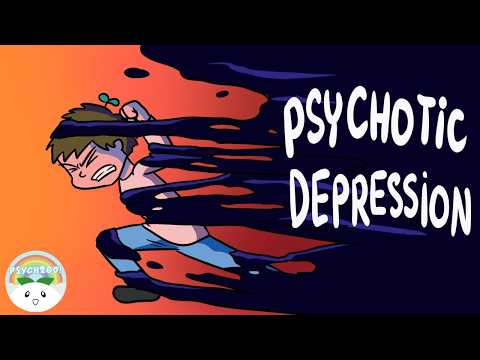
Hey, you! Let’s talk about something that doesn’t get enough airtime: Major Depressive Disorder with Psychotic Features. Sounds heavy, huh?
Este blog ofrece contenido únicamente con fines informativos, educativos y de reflexión. La información publicada no constituye consejo médico, psicológico ni psiquiátrico, y no sustituye la evaluación, el diagnóstico, el tratamiento ni la orientación individual de un profesional debidamente acreditado. Si crees que puedes estar atravesando un problema psicológico o de salud, consulta cuanto antes con un profesional certificado antes de tomar cualquier decisión importante sobre tu bienestar. No te automediques ni inicies, suspendas o modifiques medicamentos, terapias o tratamientos por tu cuenta. Aunque intentamos que la información sea útil y precisa, no garantizamos que esté completa, actualizada o que sea adecuada. El uso de este contenido es bajo tu propia responsabilidad y su lectura no crea una relación profesional, clínica ni terapéutica con el autor o con este sitio web.
I mean, imagine feeling super low like you’re stuck in a dark hole, and then add some wild stuff like hearing voices or seeing things that aren’t there. That’s the combo we’re dealing with here.
It’s not just sadness; it’s like a mental rollercoaster that can be really scary. I know someone who went through it, and honestly, it was tough to watch.
But here’s the deal: there’s hope! Seriously! There are ways to manage this mix of feelings and symptoms. So, let’s break it down together—the signs to watch for and what can help. You with me?
Effective Treatment Approaches for Major Depressive Disorder with Psychotic Symptoms
Major Depressive Disorder (MDD) is tough on its own. When you throw in psychotic symptoms, like hallucinations or delusions, it becomes even more complex. It’s like adding an extra layer to a difficult puzzle. But there are effective treatment approaches out there that can help.
First off, let’s talk about some of the symptoms you might notice with MDD and psychotic features. You might feel really low or empty most days, and these feelings can be mixed up with seeing or hearing things that aren’t there—like whispering voices or shadows moving in the corner of your eye. So yeah, it can get pretty overwhelming!
- Medication: One of the main ways to tackle this is through medication. Antidepressants are commonly prescribed for MDD. But when psychotic symptoms are involved, doctors often add antipsychotics into the mix. These help balance out those wild thoughts and perceptions.
- Psychoeducation: Knowing what’s happening to you is crucial! Psychoeducation helps you understand both depression and psychosis better. This knowledge makes everything a bit less scary and helps in managing symptoms effectively.
- Psychotherapy: Don’t underestimate therapy! Certain types like Cognitive Behavioral Therapy (CBT) can be super useful here. It’s all about changing negative thought patterns and helping you cope with the heavy stuff.
- Supportive therapy: Sometimes just having someone to talk to makes a world of difference. Support groups or talking therapies provide a safe space where people share experiences and strategies for managing life.
If you’re thinking of video games as an analogy, consider how you level up your character when facing challenging quests—just like in real life! Each treatment option can feel like a different tool or power-up that helps you handle the tougher parts of your journey.
It’s also important to keep communication open with your healthcare provider so they can adjust treatments as needed. Sometimes it takes time to find what works best for you, but don’t get discouraged! Recovery is a process, not a sprint.
A word of caution: while these methods can be effective, they shouldn’t replace professional help. Always consult with a healthcare provider for personalized treatment plans that suit your unique situation.
The road may be long and winding but remember—you’re not alone in this journey!
Understanding Major Depressive Disorder with Psychotic Features: Symptoms and Implications
Major Depressive Disorder (MDD) with psychotic features is a serious mental health condition that can really affect a person’s life. It’s like being trapped in a dark room where not only are you feeling super low, but also your mind might be playing tricks on you. Let’s break down what this means, the symptoms you might experience, and why it’s crucial to seek help.
What is MDD with Psychotic Features?
So, here’s the deal: Major Depressive Disorder is characterized by persistent feelings of sadness, hopelessness, and a lack of interest in activities. When you throw psychotic features into the mix, it complicates things. Psychotic features often include hallucinations or delusions—basically seeing or hearing things that aren’t there or holding onto beliefs that don’t align with reality.
So imagine you’re playing a horror game like “Silent Hill,” where everything seems gloom and doom. Now add to that feeling of dread some creepy voices whispering to you about how worthless you are. That’s kind of what MDD with psychotic features feels like.
Key Symptoms
Let’s talk about some common symptoms:
- Persistent Sadness: A constant feeling of being down in the dumps.
- Loss of Interest: Activities that used to excite you suddenly seem dull.
- Hallucinations: Hearing voices or seeing things that aren’t real.
- Delusions: Holding strong beliefs that are irrational, like thinking everyone hates you.
- Cognitive Issues: Trouble concentrating or making decisions, which can feel frustrating!
- Sleep Problems: Either not sleeping enough or sleeping way too much.
- Changes in Appetite: Eating too much or too little than usual.
You might feel all these symptoms at once or just have a few lingering around. It can feel overwhelming but remember—you’re not alone in this!
The Implications
Dealing with MDD and psychosis isn’t just tough mentally; it can impact every part of your life:
- Your Relationships: Friends and family might struggle to understand what you’re going through.
- Your Work Life: Difficulty concentrating can make it hard to stay productive at work or school.
- Your Physical Health: Mental health issues often lead to neglecting physical health—like skipping meals or not exercising.
It can be incredibly isolating. You might want to pull away from friends because talking feels hard.
Treatment Options
Now let’s look at some options for getting help—because seriously, reaching out is key!
- Therapy: Cognitive Behavioral Therapy (CBT) can help challenge those negative thoughts. Think of it as having a game coach who helps level up your mindset!
- Meds: Antidepressants might be prescribed; they aim to balance chemicals in your brain.
- Psychoeducation: This involves learning about your condition so you know what you’re dealing with! Knowledge is power!
- Psychoactive Medications:: In cases where hallucinations are severe, antipsychotics may be necessary alongside antidepressants.
It’s super important to work closely with healthcare professionals because they will tailor treatment just for you. Don’t hesitate; get support from friends, family, or professionals who understand.
In the end, managing MDD with psychotic features takes time and effort from both you and your support team. It won’t always be easy but remember there are paths leading out from this dark place! Reach out for help—it makes all the difference!
Effective Treatment Approaches for Psychotic Mood Disorder: A Comprehensive Guide
Psychotic Mood Disorder, especially when it shows up as Major Depressive Disorder (MDD) with Psychotic Features, can be tough to deal with. Picture this: you’re feeling super low, and on top of that, you’re hearing voices or experiencing wild delusions. It’s like a double whammy of emotional turmoil—definitely not something you want to face alone.
So, what’s going on here? MDD with Psychotic Features combines the feelings of depression—like sadness, hopelessness, or loss of interest—with symptoms that make you feel disconnected from reality. This could mean hallucinations (seeing or hearing things that aren’t there) or delusions (believing things that aren’t true). It’s a serious condition.
Now let’s chat about some effective treatment approaches. Here’s a breakdown:
- Medication: Antidepressants are often the first step. Selective serotonin reuptake inhibitors (SSRIs) are common choices. In cases where psychosis is strong, doctors might also add antipsychotics.
- Psychotherapy: Therapy can help you understand and cope with feelings and experiences. Cognitive Behavioral Therapy (CBT) is particularly effective because it helps challenge those negative thoughts.
- Hospitalization: Sometimes people need intensive support. Being in a hospital ensures safety and provides around-the-clock help when things get overwhelming.
- Support Groups: Connecting with others facing similar struggles helps reduce isolation. Sharing experiences can feel cathartic and reassuring.
- Lifestyle Changes: Regular exercise and proper nutrition can have significant effects on mood and overall mental health.
Let’s break this down a bit more because it’s super important to understand how these treatments work together.
**Medication**: Think of medication like putting gas in your car—it doesn’t fix the engine but helps it run smoother. Antidepressants can lift your mood while antipsychotics help manage the psychotic symptoms. But remember: it’s important to talk to a doctor about side effects and make adjustments as needed.
**Psychotherapy**: This is where you sit down and talk things through. A therapist acts like a guide in this complicated maze of thoughts and emotions. You get the chance to learn new coping strategies while separating reality from the noise in your head.
**Hospitalization**: Sometimes life hits hard, right? When someone feels extremely overwhelmed or suicidal, staying in a controlled environment can provide immediate relief from stressors. It’s not forever; just long enough for stabilization.
**Support Groups**: Imagine playing co-op video games with friends—everyone has their roles but working together makes challenges easier! Support groups offer that sense of community where sharing stories helps lessen burdens.
**Lifestyle Changes**: You know how after going for a run you might feel clearer-headed? Well, integrating physical exercise! Healthy food fuels your body better just as sleep improves cognitive function—small changes over time really stack up!
But here’s the important part: all these treatments don’t replace professional help; they support recovery! If you or someone you know is struggling with MDD with Psychotic Features, reach out to a healthcare provider right away for personalized care.
At the end of the day, facing psychotic mood disorders brings about many challenges—but there’s hope! With time and the right support system in place, improvement is very much possible!
So, you know how life can sometimes throw you curveballs that hit a little too hard? Well, major depressive disorder (MDD) with psychotic features is one of those tough situations. Picture someone who’s already feeling really down and then, bam! They start experiencing things like delusions or hallucinations. It’s like a gloomy cloud that gets even darker, and I can’t help but think of how heavy that must feel.
Imagine a friend struggling with the weight of depression; everything feels gray. Then one day, they hear voices telling them they’re worthless or that nobody cares. That’s not just depression; that’s MDD with psychotic features. It’s heartbreaking to think about how their reality shifts. They can’t just snap out of it; it’s deep-rooted and incredibly complex.
So, the symptoms? Well, they usually include those classic depressive signs—sadness, fatigue, loss of interest in things they once loved—but add in this mind-bending layer where reality gets distorted. It could be hearing things that aren’t there or holding onto false beliefs so strongly that it changes how they see others and themselves.
Now onto treatment options—it’s not as simple as popping a pill and calling it a day! Antidepressants can help clear some fog but combining them with antipsychotics is super common too. Therapy is also essential here; cognitive behavioral therapy (CBT) is often utilized to tackle those thoughts spiraling into darkness. You know what? Having someone to talk to makes all the difference!
It’s also important for family and friends to understand this isn’t just something someone can will away. Having support doesn’t mean fixing everything but rather being there through the ups and downs.
But look, there’s hope! With the right mix of treatment and understanding from loved ones, many people find paths toward recovery. And honestly? Hope’s such a powerful friend when you’re dealing with MDD and psychosis.
At the end of the day, it’s all about compassion: for ourselves and each other—in all our messy human experiences.