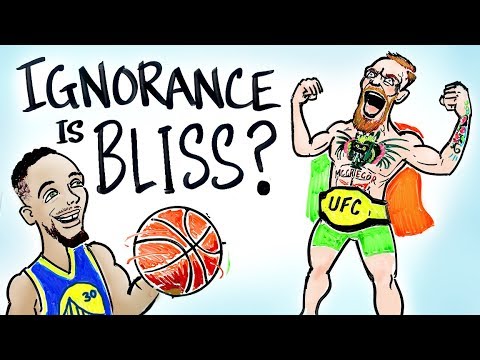
You know that saying, «Ignorance is bliss»? It’s one of those phrases we toss around like it’s a hot potato. But what does it really mean?
Este blog ofrece contenido únicamente con fines informativos, educativos y de reflexión. La información publicada no constituye consejo médico, psicológico ni psiquiátrico, y no sustituye la evaluación, el diagnóstico, el tratamiento ni la orientación individual de un profesional debidamente acreditado. Si crees que puedes estar atravesando un problema psicológico o de salud, consulta cuanto antes con un profesional certificado antes de tomar cualquier decisión importante sobre tu bienestar. No te automediques ni inicies, suspendas o modifiques medicamentos, terapias o tratamientos por tu cuenta. Aunque intentamos que la información sea útil y precisa, no garantizamos que esté completa, actualizada o que sea adecuada. El uso de este contenido es bajo tu propia responsabilidad y su lectura no crea una relación profesional, clínica ni terapéutica con el autor o con este sitio web.
Honestly, sometimes it feels like it’s got a whole lot of layers, right? You might think it means being carefree and not worrying about life’s complications. And hey, who wouldn’t want that?
But dig a little deeper and you’ll see there’s more to the story. Sometimes knowing too much can be overwhelming or downright depressing!
So, let’s chat about what this whole ignorance thing is really about. Buckle up, because it’s going to be an interesting ride!
Understanding Ignorance is Bliss: Practical Examples and Psychological Insights
Ignorance is bliss, right? I mean, we’ve all heard that phrase before. But what does it really mean? At its core, it suggests that sometimes not knowing something can protect our emotions and keep us feeling happier. It’s like wearing rose-colored glasses—everything looks sunny and bright!
But let’s break this down a bit. Basically, when you’re unaware of certain harsh realities or truths, you might feel less stress or worry. Think about it: if you didn’t know about a challenging situation coming up, you might just chill out and enjoy your day instead of fretting over it. But then again, there’s a flip side to this entire concept.
So, here are some practical examples to illustrate the idea of ignorance being bliss:
- Video Games: Imagine playing a game where you’re racing against time to complete a mission. If you didn’t know about the secret levels or the tricky boss fights ahead, you’d probably have more fun! The pressure is off because you’re just enjoying the ride.
- Relationships: It can be hard sometimes when friends don’t share every detail about their problems with each other. Not knowing a friend feels left out may help maintain harmony in the group—but should they be informed? That’s where things get tricky.
- Health Awareness: Sometimes people choose not to check for certain health issues because they don’t want to hear bad news. Ignoring potential risks can lead to a happier mindset in the short term. But later on, that lack of information could turn into bigger stress if something serious comes up!
These examples show how ignorance can create a sense of security and ease in various aspects of life. But here’s the catch: while ignorance might bring temporary peace, it’s crucial to remember that facing reality often leads to growth and better decision-making.
There’s also an interesting psychological angle to consider here—cognitive dissonance! This fancy term refers to the mental discomfort experienced when holding two conflicting beliefs or ideas at once. For instance, wanting to be healthy but indulging in junk food creates tension within us.
Imagine this: You love munching on chips during movie night (who doesn’t?), but deep down you know it’s not exactly “healthy.” If you’re not aware of all those extra calories piling up (aka blissful ignorance), you’re likely going to enjoy that chips-and-movie combo even more!
In another light, sometimes people choose ignorance purposely—it’s their way of coping with stress or overwhelming emotions. It’s kind of like tuning out until things feel manageable again.
But let’s get real; living in ignorance isn’t always feasible or healthy long-term! In relationships and personal growth especially, knowledge leads us toward improvement and understanding ourselves better.
So there you have it—a mix of fun examples and psychological insights on why «ignorance is bliss» isn’t just some catchy saying we toss around lightly. Instead, it’s an intricate dance between happiness and awareness we engage in daily.
And just remember: if you’re feeling overwhelmed by any tough realities you’re facing—or if anything in this resonates too deeply—it never hurts to chat with someone who can help! You’re not alone in navigating these emotional waters; we’ve all been there at one point or another!
Understanding the Concept of ‘Ignorance is Bliss’: A Clear Explanation and Its Psychological Implications
“Ignorance is bliss”—it’s one of those phrases you hear thrown around like candy at a parade. But what does it actually mean? Simply put, it suggests that sometimes, not knowing something can actually make you happier than being aware of it. Sounds a bit counterintuitive, right? Let’s take a closer look.
Imagine you’re watching a movie with your friends. They’re all raving about the plot twist at the end. But you haven’t seen it yet and you’re still enjoying the story fully. Then someone spoils it for you. Suddenly, what was once thrilling feels flat. This is kind of what “ignorance is bliss” gets at; sometimes not knowing the harsh realities or surprises can keep your spirits high.
Now, let’s dive into some psychological aspects of this idea:
- Cognitive Dissonance: This happens when our beliefs clash with new information that makes us uncomfortable. For example, if you believe everything will be fine in your job, but then hear rumors of layoffs, your stress level skyrockets. Sometimes it might feel better to just stick with what you know.
- Emotional Protection: Ignorance can act as armor against negative emotions. If someone tells you about their struggles or sad news about a mutual friend and you’re not aware of them, you’re able to carry on with your day without carrying that weight.
- The Burden of Knowledge: Knowledge can feel heavy! Think about how overwhelming it is to keep up with current events—wars, climate change—you name it! Sometimes tuning out from all that chaos can feel like taking a breath of fresh air.
- Information Overload: In today’s digital age, we have access to so much information that it’s dizzying! With every notification pinging on your phone, staying informed can lead to anxiety rather than enlightenment.
But hey, let’s keep it real: ignorance isn’t always bliss. There are cases where knowledge leads to growth and understanding. For instance, knowing how to manage stress or communicate better in relationships often makes life easier than pretending everything’s okay.
Think about video games for a moment—you might want to go in blind for that epic twist ending rather than reading all those spoiler-filled reviews first! Getting lost in a fantasy world without prior knowledge often enhances the fun factor.
So here’s the thing: avoiding certain truths might make life easier for a while but doesn’t eliminate difficulties in the long run. It’s like eating only candy—you’ll probably enjoy it short-term but eventually regret skipping out on balanced meals.
In the end, balancing ignorance and awareness is key. It’s totally okay to shield yourself from negativity sometimes but remember that growing through challenges usually leads to deeper happiness down the line.
Just remember: if you’re ever feeling overwhelmed by life and think ignorance might be helping, don’t hesitate to chat with someone who knows more—a friend or professional therapist can help wrap those feelings into something more manageable and healthy!
Understanding ‘Ignorance is Bliss’: Clear Explanations and Key Quotes
«Ignorance is bliss» is one of those phrases you hear often, but what does it really mean? Well, it’s pretty straightforward. The idea is that not knowing certain things can lead to happiness or peace of mind. Think about it like this: if you’re blissfully unaware of your friend’s secret crush on you, you can enjoy your friendship without any awkwardness or pressure.
You know what’s interesting? This phrase is often linked to the philosopher Thomas Gray. He wrote a poem in the 1700s that included these words, suggesting that sometimes ignorance can be a shield against pain. Sounds familiar, right?
But let’s break it down a bit.
- Stress Reduction: Ignorance can eliminate stress. If you don’t know about an upcoming exam or a friend’s little gossip session about you, you’re free to feel relaxed.
- Protecting Innocence: Sometimes, not knowing harsh realities helps maintain a sense of innocence. Imagine a child who believes in magic—this belief brings joy!
- Avoiding Conflict: Not being aware of certain truths can prevent conflicts. For example, if you don’t know someone dislikes your favorite movie, you’re free to enjoy discussing it.
Now picture this: You’re hooked on this video game where you’re battling creatures in a fantasy land. The plot twists are crazy and intense, but if you didn’t know how tough the final boss would be—or that there might be spoilers—the thrill and excitement would continue unabated!
But there’s also another side to consider…
Ignorance isn’t always great. There are times when knowledge is crucial for making informed decisions. If we look at health issues or social justice topics, knowing the truth can lead to positive change and empowerment.
So here’s where it gets tricky: being unaware might keep things smooth for now but could also lead to bigger problems down the road when reality catches up with you.
In the end—and seriously think about this—can ignorance really be bliss if it means ignoring important truths?
All said and done, it’s essential to find balance here. Knowing some things can empower us while letting go of others might give us temporary peace. It’s like walking on a tightrope—finding what works best for your life.
And hey, always remember that navigating feelings and thoughts around ignorance and knowledge isn’t straightforward; if you’re grappling with tough situations or feelings around these themes, talking with a professional can really help steer things into clearer waters!
Ignorance is bliss, huh? It’s one of those phrases that rolls off the tongue but carries a ton of weight. How often do we find ourselves wishing we didn’t know something? Maybe it’s that annoying fact about a friend’s drama or the overwhelming piles of news that just seem to drag us down. Sometimes, not knowing seems like a sweet escape.
I remember a time when I was blissfully unaware about a tough decision my friend had made. We were hanging out, chatting and laughing — the vibe was perfect. Then, she let it slip what she had done, and it felt like this heavy fog dropped over us. Suddenly, I started seeing everything differently; I was worried about her and felt this weight on my chest instead of just enjoying our time together.
So what’s going on here? Well, ignorance can offer us some peace of mind. When you don’t have to process every piece of information out there, life feels lighter—like you can breathe easier! But then again, there’s a flip side. Not knowing can also lead to consequences down the line when things come crashing in unexpectedly.
You see, life is full of stuff we can’t control and sometimes knowing too much can leave you feeling anxious or paralyzed by choice. Like being stuck in analysis paralysis — ever been there? Looking at every possible angle until your brain feels muddled! But if you ignore certain details or limit what you take in, it can keep your spirits high and maybe even help you focus on what truly matters.
But here’s where it gets tricky: staying ignorant isn’t always healthy. There are times when knowledge is crucial — like understanding relationships or health issues. You don’t want to be caught off guard because you turned a blind eye to something important!
It’s all about balance really. Embracing some ignorance could be great for your mental well-being but keeping yourself informed in areas that matter to you is equally important. So how do we find this sweet spot? By being selective with our attention while staying aware enough to make wise choices.
In the end, maybe it’s worth asking yourself where you’re choosing blissful ignorance and where it’s better to face the truth head-on—because sometimes awareness opens doors to growth that we’d never have discovered if we stayed blissfully unaware!