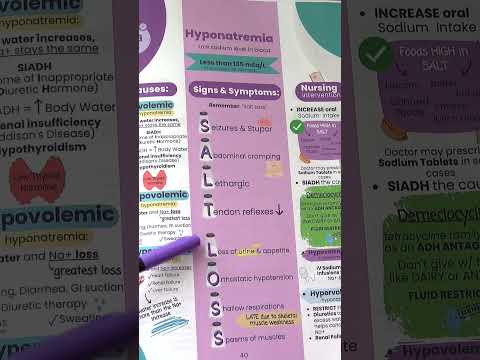
Hey! So, let’s talk about something you probably haven’t thought much about: hyponatremia. Sounds fancy, right? But it’s just a condition where your sodium levels drop too low.
Este blog ofrece contenido únicamente con fines informativos, educativos y de reflexión. La información publicada no constituye consejo médico, psicológico ni psiquiátrico, y no sustituye la evaluación, el diagnóstico, el tratamiento ni la orientación individual de un profesional debidamente acreditado. Si crees que puedes estar atravesando un problema psicológico o de salud, consulta cuanto antes con un profesional certificado antes de tomar cualquier decisión importante sobre tu bienestar. No te automediques ni inicies, suspendas o modifiques medicamentos, terapias o tratamientos por tu cuenta. Aunque intentamos que la información sea útil y precisa, no garantizamos que esté completa, actualizada o que sea adecuada. El uso de este contenido es bajo tu propia responsabilidad y su lectura no crea una relación profesional, clínica ni terapéutica con el autor o con este sitio web.
You might be wondering why sodium even matters. Well, it helps your body function smoothly, like making sure your nerves and muscles work properly. When those levels dip, things can get a little wacky.
Ever felt super tired or kinda loopy for no reason? That could be a hint that something’s off with your sodium. It’s more common than you’d think!
So let’s break down what to watch for, yeah? You want to know the signs before they catch you off guard, trust me!
Understanding the 4 Types of Hyponatremia: Causes, Symptoms, and Impacts on Health
Sure! Let’s go through hyponatremia, which is a bit of a mouthful, right? So, just to break it down, it’s when your blood sodium levels drop too low. Sodium is super important for keeping everything balanced in your body. You with me?
Types of Hyponatremia
There are four types of hyponatremia, and each one has its own causes and effects. Here’s the rundown:
- Euvolemic Hyponatremia: This is often linked to conditions like syndrome of inappropriate antidiuretic hormone secretion (SIADH). Basically, your body holds onto too much water without getting rid of the extra. It doesn’t seem like a big deal until you realize that while you’re not losing sodium, you’re diluting it.
- Hypovolemic Hyponatremia: This happens when you lose both water and sodium but more sodium than water. Think about when you sweat a lot during exercise without hydrating properly—your body’s got to keep some balance.
- Hypervolemic Hyponatremia: You get this when there’s excess water in the body but still not enough sodium compared to that volume. Conditions like heart failure or kidney issues can cause this—you’re holding onto fluids while your sodium levels take a hit.
- Pseudohyponatremia: This one’s a bit trickier because it occurs due to high levels of lipids or proteins in the blood, which makes sodium measurements appear low even if your actual sodium level is okay. It’s kinda deceptive!
So there you go! Each type has its own unique path of trouble.
Symptoms of Hyponatremia
Moving on to symptoms—this is where things get serious. The symptoms can vary quite a bit depending on how low your sodium levels are and how fast they drop:
- Mild Symptoms: You might feel nausea or headaches. Imagine having one too many snacks while gaming late at night—kinda annoying but not deal-breaking.
- Moderate Symptoms: Now we’re talking about confusion or irritability; you could feel dizzy or lose balance easily too. It’s like trying to walk straight after spinning around in circles—you just can’t seem to find solid ground.
- Severe Symptoms: This is where it gets real; seizures might happen, and in extreme cases, coma can occur! That escalated quickly, huh? It’s definitely something you’d want to take seriously.
The Impacts on Health
Now let’s think about why all this matters for your health overall:
- If you’re an athlete or someone who exercises regularly, staying hydrated is key—but make sure you’re also keeping up those sodium levels! Too little could impact performance big time.
- If someone is struggling with chronic illness (like kidney disease), being aware of these types can help manage their overall health better. Knowledge really is power here!
- The reality is that untreated hyponatremia can lead to severe complications—including brain swelling—which sounds pretty scary but highlights why recognizing those symptoms early matters so much!
So, if you’ve got any worries about hydration or symptoms that sound familiar, chatting with a healthcare professional is always the safest route. They know best!
All in all, hyponatremia isn’t just a medical term; it’s something that can affect anyone at some point—with awareness being half the battle won!
Exploring Three Key Complications of Hyponatremia: Physical and Psychological Impacts
Hyponatremia, a condition where sodium levels in your blood drop too low, can hit hard both physically and mentally. Sodium is super important for keeping your cells functioning properly. When levels dip, it can lead to some serious complications. Let’s break down a few key issues you might face.
1. Physical Symptoms
When you’re dealing with hyponatremia, your body can react in various ways. Common physical symptoms include:
- Nausea and vomiting: Feeling queasy is one of those signs that something’s off.
- Headaches: You know that dull throb you get? Yeah, it could be linked to low sodium levels.
- Muscle cramps: Sudden cramps or spasms might interrupt your game time, whether it’s sports or just running to catch the bus.
- Weakness: Just feeling like you’ve got zero energy? That’s another red flag.
Imagine playing basketball and suddenly feeling so weak that you can’t keep up with the game anymore. That’s how hyponatremia can knock the wind out of your sails.
2. Neurological Effects
This is where things get serious. Low sodium can mess with how your brain works too, leading to some pretty intense neurological symptoms:
- Confusion: It’s like when you’re trying to concentrate in a multiplayer game but everything around you just doesn’t make sense.
- Seizures: A severe drop in sodium can bring on seizures, which are no joke.
- Coma: In extreme cases, high risks like coma become real if left untreated.
The brain needs sodium to send signals properly; without it, your thought processes can get mixed up quickly.
3. Psychological Impacts
And let’s not forget the mind! Hyponatremia doesn’t just affect your body; it often takes a toll on mental health too:
- Anxiety and irritability: Feeling anxious or irritable for no clear reason can be a sign that something’s wrong chemically in your body.
- Mood swings: One minute you’re fine; the next minute you’re not! Low sodium levels can create major emotional upheaval.
- Cognitive difficulties: Struggling to focus or remember things? It might just be more than stress—it could tie back to those sodium levels!
Think about being stuck in an escape room while trying to solve puzzles but forgetting the clues halfway through—frustrating!
So, if you notice any of these symptoms in yourself or someone else, don’t panic but consider getting professional help. Hyponatremia isn’t something you want brushed aside at all!
In short, hyponatremia affects both body and mind deeply—even if it starts as a simple imbalance. Your body’s electrical system relies on proper sodium levels; when that’s off-kilter, everything else tends to follow suit. Always better safe than sorry!
Effective Techniques for Memorizing Hyponatremia Symptoms
Hyponatremia can sound a bit scary, and it is. Basically, it’s when your blood has too little sodium, which helps balance fluids in your body. You might be wondering how to remember the symptoms—it can be tricky! But here are some effective techniques that can help you keep those symptoms straight in your mind.
First up, **mnemonics**. These are fun little memory aids that make recalling things easier. For hyponatremia, you could use the word “SALT”:
- S – Seizures
- A – Abdominal cramps
- L – Lethargy
- T – Tremors or twitching
Now, let’s talk a bit about **visualization**. Imagine a game where each symptom is represented by a character like in an RPG. Picture a wizard (that’s your **seizure**) casting spells but losing power because he’s low on mana (sodium). The fighter (representing **abdominal cramps**) is doubled over after taking damage from too much water. Visualizing these characters in action might help make the symptoms stick.
Another cool technique is **association**. Think about someone you know who has had these symptoms and link their experience to what you’ve learned about hyponatremia. For example, if someone you know got lethargic after an intense game of soccer on a hot day and ended up cramping—connect that with sodium levels! They might have been on the verge of hyponatremia!
Then there’s the age-old technique of **repetition**. Write down the symptoms repeatedly or even say them out loud! Declaring “headaches” or “confusion” as if you’re announcing scores during a sports match helps reinforce those memory connections.
Lastly, keep an eye out for real-life examples or news stories about hydration issues where people experience these symptoms; this added context helps reinforce what you’ve learned—as long as they’re credible sources!
Remember though: none of this replaces professional help. If you’re ever unsure or experiencing any concerning symptoms like confusion or severe headaches yourself, just reach out to a healthcare professional, alright?
So there you have it! Use mnemonics like SALT, visualization techniques similar to RPGs, daily repetition, and real-world associations to remember those pesky hyponatremia symptoms better! Stay safe and hydrated out there!
You know, I was chatting with a friend the other day who had started running marathons. She was super excited but also a bit nervous, and honestly, it reminded me of all the things we often overlook when we get really into fitness or just life in general. One thing that popped up in our conversation was hyponatremia. Sounds fancy, right? It’s basically when your body doesn’t have enough sodium in it, which can happen if you drink way too much water without replacing those salts.
Now, sodium is like that friend you always want to have around at parties—essential for keeping everything balanced and functioning smoothly. So when it gets too low because of excessive water intake or not enough intake of salt-rich foods, that’s when the trouble begins.
Alright, let’s get into some signs you can look out for. Early symptoms are often super vague and easy to miss: think headaches, nausea, or just feeling a bit tired—kind of like when you’re having one of those bleh days. You might feel confused or even a bit dizzy. And hey, not to freak anyone out but in severe cases? Yeah, things can get way more serious like seizures or even passing out.
I remember this one time during my college days—I had been chugging water like it was going out of style during finals week because I thought staying hydrated meant success! Little did I know; I actually started feeling lightheaded and struggled to focus on my studies. Thank goodness someone pointed out that maybe I should eat something salty instead. It clicked for me then; hydration isn’t only about water.
So anyway, if you’re exercising a lot or just drinking loads of fluids throughout your day—like maybe you’re at a picnic with endless drinks—make sure you’re balancing it with electrolytes too so your body can keep working effectively. Just grab some snacks with salt now and then! Your body will thank you later for not leaving sodium hanging by itself at the party.
In the end, spotting those symptoms early on is super important. You don’t want something simple to turn into a bigger issue because hey—you could be rocking your best life instead!