Hey you! So, let’s talk about something that’s been on a lot of our minds lately. Germs. Ugh, right?
Este blog ofrece contenido únicamente con fines informativos, educativos y de reflexión. La información publicada no constituye consejo médico, psicológico ni psiquiátrico, y no sustituye la evaluación, el diagnóstico, el tratamiento ni la orientación individual de un profesional debidamente acreditado. Si crees que puedes estar atravesando un problema psicológico o de salud, consulta cuanto antes con un profesional certificado antes de tomar cualquier decisión importante sobre tu bienestar. No te automediques ni inicies, suspendas o modifiques medicamentos, terapias o tratamientos por tu cuenta. Aunque intentamos que la información sea útil y precisa, no garantizamos que esté completa, actualizada o que sea adecuada. El uso de este contenido es bajo tu propia responsabilidad y su lectura no crea una relación profesional, clínica ni terapéutica con el autor o con este sitio web.
For some folks, the worry about germs goes way beyond just washing your hands after using the bathroom. I mean, there are people out there who feel like they need a hazmat suit just to step outside!
That’s called germophobia, and it can really take a toll on your life. Imagine skipping out on parties or avoiding public restrooms simply because you’re freaked out about what might be lurking around.
Honestly, the whole thing is pretty fascinating—and kind of overwhelming. But don’t worry; we’re going to unpack this together!
Understanding Contamination Phobia: Exploring the Fear of Contamination and Its Effects
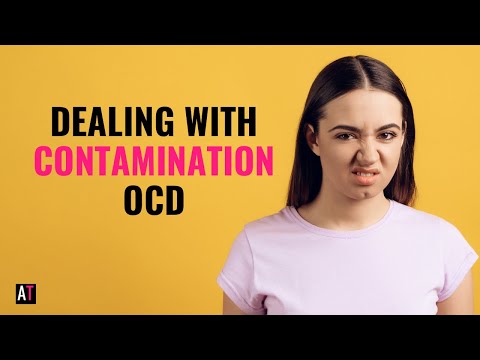
Contamination phobia, often known as germophobia, is like that annoying friend who’s always worried about getting sick. It’s a fear that makes you hyper-aware of dirt, germs, and anything that might potentially harm you. If you’ve ever walked into a public restroom and cringed at the thought of touching the doorknob, you might just get what I mean.
The thing is, contamination phobia isn’t just about being a little squeamish. For some people, it can be overwhelming and interfere with daily life. Imagine being so terrified of germs that you avoid shaking hands, dining out, or even stepping into crowded places. That’s where it gets tricky.
- Psychological roots: This fear can stem from various sources like past trauma or anxiety disorders. Maybe someone had a serious illness in their family, or they watched too many scary movies about germs spreading rapidly.
- Physical symptoms: Individuals might experience heightened anxiety when faced with perceived contaminants. This can include sweating, heart palpitations, or even panic attacks.
- Coping mechanisms: To deal with this anxiety, people often create rituals such as excessive handwashing or using hand sanitizers obsessively. While these behaviors can provide temporary relief, they don’t address the underlying issue.
- Social impact: Friends and family may struggle to understand this fear. It can lead to isolation because social situations often involve potential “contamination”, which creates a tough cycle of avoidance.
It’s important to remember that while some level of caution is normal—like washing your hands after using the restroom—germophobia takes things to an extreme where it starts affecting mental health and daily living.
I once knew someone who would spend hours cleaning her kitchen after cooking because she couldn’t bear the thought of bacteria lurking around. This behavior made her more anxious than safe! So it’s clear how this can spiral out of control.
Treatment options are available for those affected by contamination phobia. Cognitive-behavioral therapy (CBT) is one approach that helps change negative thought patterns associated with the fear.
Exposure therapy is another method where individuals gradually face their fears in a safe environment until it becomes more manageable.
This isn’t a one-size-fits-all situation; everyone experiences their fears differently. If you find yourself feeling excessively anxious about cleanliness or contamination and it disrupts your happiness or routine tasks—don’t hesitate to look for some professional help!
Understanding contamination phobia means recognizing its deep emotional roots and how it can affect everyday life. But remember: acknowledging your feelings is the first step toward finding healthier ways to cope!
Effective Strategies to Overcome Fear of Contamination
Fear of contamination, or germophobia, can be really tough to deal with. Imagine feeling anxious every time you touch a doorknob or shake someone’s hand. It can make everyday life feel kind of overwhelming. But hey, there are ways to manage and even overcome this fear!
Understanding Your Fear
First things first, it’s important to understand what’s behind your fear. Germophobia isn’t just about cleanliness; it often connects to deeper anxieties. Maybe you’ve had a bad experience with being sick or you’ve seen something disturbing in the news. It’s okay! Lots of people struggle with similar feelings.
Gradual Exposure
One effective strategy is gradual exposure. This means slowly facing your fears in small doses. Start by touching something that feels a little uncomfortable but safe, like a railing at home or a shopping cart handle after you’ve sanitized it. Give yourself permission to feel uneasy at first—it’s part of the process.
After some practice, take another step: touch items outdoors where there are fewer people around, like benches in the park (okay, maybe wipe them down first!). You want to gradually increase your comfort zone without pushing yourself too far too quickly.
Cognitive Restructuring
Next up is cognitive restructuring. What’s that? Well, it’s all about changing the way you think about germs and contamination. When those anxious thoughts pop up—like “I’m going to get sick!”—try replacing them with more balanced thoughts: “Most germs are harmless” or “I can wash my hands afterward.”
Sometimes it helps to remind yourself that not everything is as scary as it seems! Remember how in games like *The Sims*, character interactions might lead to silly outcomes but don’t always result in disaster? Life’s a bit like that; not every scenario leads to chaos.
Mindfulness and Relaxation Techniques
Practicing mindfulness can also be super helpful. This means focusing on the present moment and letting go of worries about the future (you know, like all those hypothetical nasty germs lurking everywhere). Try deep breathing exercises when you start feeling anxious—inhale for four counts, hold for four counts, then exhale for four counts—repeat until you feel calmer.
Incorporating relaxation techniques such as yoga or meditation into your routine can also decrease overall anxiety levels.
Limit Exposure to Triggers
While exposure strategies are great, it’s also wise to limit your exposure to triggers that seriously ramp up your anxiety levels—for example, if watching certain cleanliness-themed reality shows makes you feel worse, just skip them!
You could also talk about hygiene practices with friends and family so they can support you without inadvertently increasing those feelings.
Seek Support
Don’t hesitate to reach out for help if needed! There’s no shame in talking things out with someone—a trusted friend or even a therapist who specializes in anxiety disorders can offer insights and tools tailored just for you.
In short: tackling germophobia might take some time and effort—but guess what? You’re not alone on this journey! With patience and support from yourself and others around you, overcoming this fear is absolutely possible. Just remember that everyone’s path looks different—it might seem slow sometimes but every small step counts!
Effective Strategies to Overcome Germophobia and Reduce Fear of Germs
Germophobia, or the fear of germs and contamination, can really take a toll on daily life. You might feel anxious just thinking about touching a doorknob or sitting on a public bench. It’s totally understandable, but there are effective strategies to help you manage these fears.
First off, it’s important to **understand your fear**. Knowing why certain germs freak you out can be a game-changer. Maybe it’s because you got sick after touching something sneaky like a shopping cart handle? Recognizing the specific triggers makes it easier to tackle them head-on.
Next up is educating yourself about germs. Seriously! Did you know that not all germs are bad? Your body is actually teaming with helpful bacteria! Learning about the beneficial roles of some germs can shift your perspective. Try browsing through some reliable health sites or even watching educational videos – they often break things down in such an easy-to-digest way.
Now, let’s talk about gradual exposure. This might sound a bit scary, but taking little steps towards facing your germ-related fears can make a big difference over time. Start small: If you’re worried about shaking hands, maybe try fist bumps first! The idea is to slowly increase your comfort level until those formerly distressing situations feel more manageable.
Here are a few strategies to consider:
- Mindfulness practices: Learning techniques like meditation or deep breathing can keep anxiety in check.
- Hygiene habits: Wash your hands regularly and carry sanitizer – give yourself permission to feel safe without overdoing it.
- Avoiding triggers: Identify high-risk situations and limit exposure when possible, while still pushing those comfort zones.
- Talk about it: Sharing your feelings with friends or in support groups helps lighten the load.
Speaking of talking, have you ever noticed how games often incorporate themes of overcoming challenges? Think of them as joyous journeys where players gradually face fears and grow stronger in the process! That spirit can be applied here too.
Another thing that really helps is maintaining focus on what you control rather than what makes you anxious. If you ride public transport and worry about cleanliness, remember—that’s beyond your control! But your personal hygiene routines? Totally within reach!
Don’t underestimate the power of professional help if your germophobia feels overwhelming. Therapists can guide you through this maze of worries using cognitive-behavioral techniques which have been proven effective for many people facing similar issues.
You’re not alone on this journey. Many people are figuring out their own relationships with cleanliness and fear every day, so it’s perfectly natural to seek support wherever needed! Just stay patient with yourself; overcoming germophobia takes time—and that’s okay.
So, germophobia, huh? It’s that thing where some folks have this intense fear of germs and contamination. You might know someone who sanitizes everything in sight or avoids touching doorknobs like they’re radioactive. It’s pretty common nowadays, especially with all the buzz about hygiene and health.
Now, I remember this one time I went to a friend’s place for a party. She was super cool about everything until someone spilled a drink on her carpet. I mean, it was just soda, right? But you should have seen her face! Total panic mode kicked in like she just saw a monster under her bed. She started scrubbing the carpet right away, talking about all the germs that could invade her lovely home. It was wild to see how quickly something small can spiral into full-blown worry.
Germophobia can come from loads of places: past experiences with illness or just too much exposure to media screaming about germs everywhere! When people are constantly bombarded with reminders of what could be lurking on surfaces or in the air, it’s no wonder they start feeling anxious. The thing is, while it’s great to be cautious—who wants to be sick?—it can really take over your life if you let it.
You know the funny part? Sometimes it’s less about actual germs and more about control. When life feels chaotic and messy (like when your cat decides to knock over your water bottle), clinging to cleanliness can be soothing for some people. They think they’re protecting themselves from danger when really, they’re just trying to cope.
So here’s the kicker: if you’re feeling overwhelmed by germs or find yourself avoiding social situations because of them, it might be cool to talk it out with someone. A friend or even a professional can help put things into perspective; it could make all the difference! Seriously though, you don’t want fear of germs to keep you from enjoying life—you deserve better than that!
All in all, germophobia taps into our natural desire for safety but sometimes takes things way too far. Finding balance is key; after all, a little dirt never hurt anyone!