Hey, have you ever found yourself in the ocean, just hanging out, when suddenly a thought pops into your head? You know, like what if a shark just showed up?
Este blog ofrece contenido únicamente con fines informativos, educativos y de reflexión. La información publicada no constituye consejo médico, psicológico ni psiquiátrico, y no sustituye la evaluación, el diagnóstico, el tratamiento ni la orientación individual de un profesional debidamente acreditado. Si crees que puedes estar atravesando un problema psicológico o de salud, consulta cuanto antes con un profesional certificado antes de tomar cualquier decisión importante sobre tu bienestar. No te automediques ni inicies, suspendas o modifiques medicamentos, terapias o tratamientos por tu cuenta. Aunque intentamos que la información sea útil y precisa, no garantizamos que esté completa, actualizada o que sea adecuada. El uso de este contenido es bajo tu propia responsabilidad y su lectura no crea una relación profesional, clínica ni terapéutica con el autor o con este sitio web.
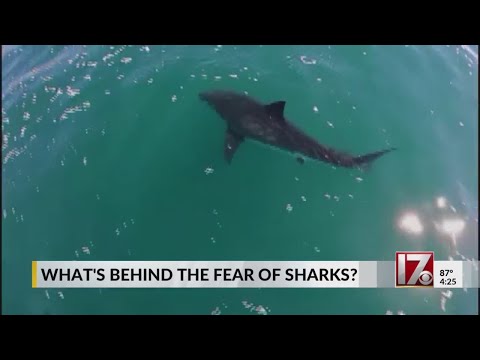
Galeophobia, or the fear of sharks, is more common than you’d think. Seriously! People freak out about these creatures for all sorts of reasons.
Maybe you’ve seen Jaws one too many times or heard stories that still give you chills. But here’s the thing: understanding this fear can make it all a bit less scary.
Let’s chat about why sharks get such a bad rap and how we can approach this fear together. You in?
“Understanding the Differences Between Galeophobia and Selachophobia: A Comparative Analysis”
So, let’s talk about two phobias that probably ring a bell for lots of folks: **galeophobia** and **selachophobia**. Now, you might be thinking, “Aren’t those just fancy words for being afraid of sharks?” Well, kind of! But there are some differences worth noting.
Galeophobia specifically refers to the intense fear of sharks. It’s not just a casual dislike; we’re talking about an overwhelming anxiety that can quickly spiral out of control. Picture this: you’re at the beach, wading into the water, and suddenly your mind conjures up images of Jaws lurking beneath the waves. Yikes! That panic can feel very real.
Then we have selachophobia, which is actually a broader term encompassing the fear of all types of fish in the subclass Elasmobranchii—sharks included, but also rays and skates. So if someone’s freaking out over a stingray while taking a leisurely stroll at an aquarium, they’re likely grappling with selachophobia rather than just galeophobia.
Here are some key points to differentiate them:
- Specificity: Galeophobia is more focused on sharks alone.
- Broader scope: Selachophobia includes fear of all related species.
- Triggers: Galeophobic reactions often happen near water or after watching shark-related media.
- Sensory experiences: Selachophobics might cringe at any sight or reference to any elasmobranch.
And here’s where it gets even trickier! People with galeophobia might be able to handle fishing or swimming with other fish without batting an eye. But when it comes to sharks? Oh man, that’s a different story. It’s like having your favorite video game hero face their ultimate enemy—you know they can handle anything else!
One interesting aspect is how these fears develop. Maybe you watched too many shark movies as a kid—you know the ones that give you nightmares? Or perhaps you heard an intense story from someone who swam into deep waters and got freaked out seeing a shadowy figure near them.
It’s important to recognize these phobias because they can seriously impact someone’s life. If going near the ocean is terrifying or if an aquarium visit feels like walking into a horror show—wow—that’s tough! And remember, if fears interfere with daily life, chatting with someone professional could be super helpful.
In essence, both galeophobia and selachophobia reflect how our brains can sometimes go into overdrive when faced with things we fear. You know what I mean? Whether it involves one specific creature or many related ones—all those feelings come down to how our minds process risk and safety in different situations.
So next time you’re diving into some ocean-themed movie night or maybe hitting up an aquarium exhibit—keep in mind these fears might be lurking somewhere beneath the surface…just like those elusive sharks!
Understanding Galeophobia: Is There a Cure for the Fear of Sharks?
Alright, let’s talk about galeophobia, which is just a fancy word for the fear of sharks. You know, those sleek, finned predators of the ocean that have been both revered and feared through history? For some people, even seeing a shark in a movie or video game can send chills down their spine. But why is that?
The root of this fear often stems from a combination of factors. First, there’s the cultural influence. Movies like «Jaws» have painted sharks as these terrifying beasts, right? So when you think about it, it’s no wonder your heart races at the thought of them. Plus, sharks are huge and powerful animals—most people wouldn’t want to meet one up close and personal!
- Biological factors: Some experts believe that our brains may be wired to react strongly to perceived threats. This means an instinctive reaction can kick in when someone thinks about sharks.
- Personal experiences: Sometimes, past experiences play a huge role. If someone had a scary encounter in water—or even watched a friend freak out during a swim—they might develop an aversion to sharks.
- Anxiety disorders: Galeophobia can also overlap with other anxiety issues. If you already struggle with anxiety, thinking about sharks can amplify those feelings.
You might be asking yourself if there’s a cure for galeophobia. Well, «cure» might not be the right word here—but there are definitely ways to tackle this fear! Many folks find exposure therapy helpful. This involves gradually confronting what scares you—in this case, starting with pictures or videos of sharks and working your way up to more intense experiences.
Another useful method is cognitive-behavioral therapy (CBT). This approach helps you change unhelpful thoughts about sharks into more rational ones. For instance, instead of thinking “I’ll get eaten by a shark,” you could reframe it as “Shark attacks are extremely rare.” Shifting your mindset like that can make things feel less daunting.
A little personal story: I remember going on a beach trip once where my friend was petrified of swimming after they’d seen «Jaws» as a kid. Long story short—they ended up trying snorkelling for the first time! They started small: just floating with their face in the water while looking at fish before eventually getting comfortable enough to venture out further into the ocean. It took time but oh man—seeing them conquer that fear was awesome!
If you’re looking for self-help options, try mindfulness techniques. Practicing mindfulness can keep your mind grounded instead of spiraling down weird shark-filled rabbit holes! Meditation apps or breathing exercises can really help calm those nerves.
This is crucial: While there are ways to deal with galeophobia effectively, it’s important not to go at it alone if your fear is really intense. Professional help from therapists or counselors can provide personalized support tailored just for you! Don’t hesitate to reach out if it’s overwhelming—you deserve peace!
So remember: Galeophobia doesn’t have to rule your life! With patience and some strategies in your toolkit—you might find yourself feeling more relaxed around those majestic ocean dwellers than ever before!
Understanding Galeophobia: The Meaning and Psychological Aspects of Shark Fear
You know, the fear of sharks—galeophobia—can be pretty intense for some folks. It’s like every time they hear the word “shark,” their heart starts racing. But what exactly is this fear all about? Let’s break it down.
Galeophobia is essentially an irrational fear of sharks. This isn’t just about seeing a documentary about them or playing a scary game like «Maneater» where you get to be the shark and munch on unsuspecting beachgoers—although those can definitely add to the anxiety! It’s more about the overwhelming dread of even thinking about sharks, which can lead to avoiding things like swimming in the ocean or visiting aquariums.
- The roots of galeophobia often trace back to media portrayals. Movies like «Jaws» painted sharks as terrifying monsters lurking just beneath the surface. I mean, who wouldn’t feel a bit scared after watching that?
- Personal experiences can also play a huge role. If someone had a close encounter with a shark or even heard a scary story from a friend, it might stick with them and grow into a bigger phobia.
- Evolutionary aspects can’t be ignored either. Our brains are wired to react strongly to potential threats. Sharks have sharp teeth and are powerful predators, so it makes sense that our ancestors would have had some fear of them!
This fear can manifest in different ways. Some people might panic at the thought of swimming in deep water, feeling their heart race or breaking out in sweat. Others might avoid anything related to sharks entirely, steering clear of beach vacations or marine-themed events.
But here’s something important: while galeophobia can cause distress, it’s essential to remember that not every shark poses a threat! Statistically speaking, you’re way more likely to get hurt in a car accident than by a shark attack.
If you find yourself struggling with this fear, consider reaching out for support from someone who knows how to help—like a therapist or counselor. They’ve got techniques that can really make a difference! Things like exposure therapy could help desensitize you over time; slowly introducing images or videos of sharks might sound terrifying at first but could help lessen your fear gradually.
I mean, facing fears isn’t easy, but with patience and support, it’s totally doable! Remember though: if your anxiety feels overwhelming or debilitating, seeking professional help isn’t just okay—it’s smart!
So yeah, galeophobia is real for many people. Whether it’s due to movies, past experiences, or just an instinctual response—what matters most is how we address those fears positively and healthily.
You know, shark fear is a pretty common thing. I mean, we’ve all seen those movies, right? Just the thought of a great white sneaking up on you sends shivers down your spine. But let’s chat about galeophobia, the fancy term for the fear of sharks.
It’s fascinating how this fear can really mess with someone’s mind. For instance, a friend of mine once went to the beach and was all excited about surfing. But when he got into the water and saw shadows beneath him, he panicked and paddled back to shore like a madman! Seriously, it was like watching someone have an out-of-body experience. That’s what fear can do; it takes over completely.
So what drives this fear? Is it just movies and horror stories creating paranoia? Well, kind of! Those dramatizations definitely ramp up our anxiety about these creatures. Sharks are fierce predators in the ocean – you know? And they look intimidating too. But here’s the kicker: statistically speaking, you’re way more likely to get hurt by a falling coconut than by a shark! Can you believe that?
But feelings aren’t always logical. When you’re in that water and your imagination kicks into overdrive, it’s totally understandable to freak out about having sharp teeth nearby. And that instinct can be deeply rooted in our evolutionary past; humans are hardwired to be wary of potential predators.
This fear can actually affect people’s lives in surprising ways. Some might avoid swimming entirely or miss out on beach vacations because they can’t shake off that anxiety. And that’s really tough! It’s so important to find ways to manage these fears instead of letting them control us.
So what’s helpful when dealing with galeophobia? Education is key! Learning about sharks—their behavior, habits, and even their importance in the ecosystem—can help shift your perspective from one of terror to respect. It turns out they’re vital for maintaining marine life balance.
And hey, remember: facing fears isn’t easy but with time and knowledge, we can start seeing things differently—like maybe giving sharks a chance instead of just running away (or backpeddling like my friend!). So next time you’re at the beach feeling nervous about those big waves or dark shadows below… just breathe and remind yourself: it’s all part of nature’s wild beauty!