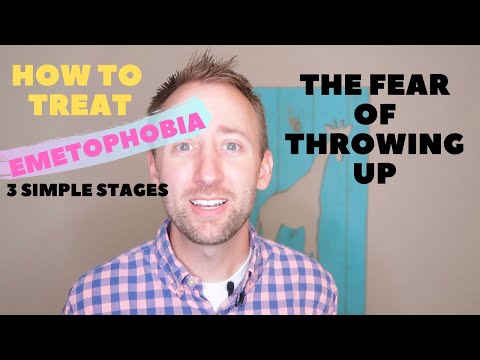
Emetophobia. Ever heard of it? It’s the intense fear of vomiting, and trust me, it can really mess with your life.
Este blog ofrece contenido únicamente con fines informativos, educativos y de reflexión. La información publicada no constituye consejo médico, psicológico ni psiquiátrico, y no sustituye la evaluación, el diagnóstico, el tratamiento ni la orientación individual de un profesional debidamente acreditado. Si crees que puedes estar atravesando un problema psicológico o de salud, consulta cuanto antes con un profesional certificado antes de tomar cualquier decisión importante sobre tu bienestar. No te automediques ni inicies, suspendas o modifiques medicamentos, terapias o tratamientos por tu cuenta. Aunque intentamos que la información sea útil y precisa, no garantizamos que esté completa, actualizada o que sea adecuada. El uso de este contenido es bajo tu propia responsabilidad y su lectura no crea una relación profesional, clínica ni terapéutica con el autor o con este sitio web.
Imagine skipping a party because someone mentioned pizza – totally crazy, right? But for those who struggle with this fear, it’s all too real.
You’re not alone in this! Many people are dealing with the same feelings, and there are ways to tackle it head-on.
Let’s chat about some solid strategies that could really help. We’ll go through practical tips and tricks that you can start using right away. Sounds good? Let’s jump in!
Effective Techniques to Calm Emetophobia Panic Attacks
Emetophobia, the intense fear of vomiting, can be super overwhelming. If you’ve ever experienced a panic attack related to this fear, then you know how unsettling it can be. Let’s talk about some effective techniques that might help calm those panic attacks. But remember, these strategies aren’t a substitute for professional help.
First off, grounding techniques are your friends. When panic strikes, focus on your surroundings to bring yourself back to the present moment. Try:
- Describing five things you can see around you.
- Name four things you can touch; maybe it’s your shirt or the seat you’re in.
- Listen for three sounds; it could be a clock ticking or birds chirping outside.
- Identify two smells; one could be your coffee or something that reminds you of home.
- Taste something—like chewing gum or sipping water—to reorient yourself. Wow, isn’t that simple?
You know what? Sometimes just focusing on your breath can work wonders too! When anxiety creeps in, try a few deep breaths. Inhale deeply through your nose for four counts, hold for four, and exhale slowly through your mouth for six counts. Repeat this a few times until you feel a little calmer.
Another technique is exposure therapy. I know it sounds counterintuitive—why would anyone want to face what terrifies them? But here’s how it works: start with small exposures to the thought of vomiting or even images related to it. You could look at cartoons where characters get sick (like in some funny video games) and then gradually increase the intensity of these exposures as you get more comfortable.
But let’s not forget about self-care! Making sure you’re taking care of your body can make a huge difference too:
- Exercise: Regular physical activity helps release endorphins, which are natural mood lifters!
- Sufficient sleep: A good night’s rest makes everything feel more manageable.
- A healthy diet: Eating balanced meals supports overall well-being and reduces anxiety triggers.
And sometimes, talking about what you’re feeling is necessary! Reach out to someone who understands—whether it’s friends, family, or even an online support group. Hearing someone say “I get it; I feel that way too” can help take the edge off.
Lastly—don’t forget about professional guidance if needed! Therapists trained in cognitive-behavioral therapy (CBT) have techniques that specifically target emetophobia and panic attacks related to it.
In short, tackling emetophobia involves using grounding techniques when panic strikes and gradually facing those fears through exposure therapy while supporting yourself with self-care practices. Just remember—you’re not in this alone!
Effective Treatments for Emetophobia: Managing Fear of Vomiting through Evidence-Based Approaches
Emetophobia, the intense fear of vomiting, can be really tough to manage. Seriously, it’s like having a dark cloud hovering over your head every time you feel nausea. The good thing is there are some **effective treatments** out there that can help you regain control over your life without being consumed by this fear.
First up, let’s talk about **Cognitive Behavioral Therapy (CBT)**. This approach focuses on changing negative thought patterns that fuel your anxiety. Imagine you’re playing a video game where you have to defeat a boss. Each time you face that boss, you get better and learn new strategies. In CBT, you’re doing something similar—learning healthier ways of thinking when the fear strikes.
- Exposure Therapy: This is part of CBT where gradual exposure to the source of your fear occurs. It’s like leveling up in a game; at first, you might just look at images related to vomiting or think about it for short periods. Over time, as you become more comfortable, you’ll confront situations that trigger your phobia.
- Mindfulness: Practicing mindfulness techniques can help center your thoughts and reduce anxiety levels. Think of it as taking a break in a games’ busy world; just tuning into the present moment and breathing deeply can ground you amidst chaos.
- Medication: Sometimes, medications like SSRIs might be prescribed for managing anxiety symptoms related to emetophobia. They’re not a cure-all but can assist in making therapy more effective.
Another key approach is **support groups**. Sharing experiences with others who understand what you’re going through creates a sense of community and validation, much like co-op gameplay where everyone has each other’s backs.
You might also want to explore **self-help strategies**, such as journaling about your fears or practicing relaxation techniques whenever anxiety hits you hard—maybe right before an event like dinner with friends or while traveling.
One important thing: these methods do not replace professional help! Always consult with a qualified mental health provider who specializes in treating phobias for personalized support.
In summary, managing emetophobia is definitely challenging but very possible! Explore therapies like CBT and exposure therapy while considering self-help tools and support from others. Remember, facing fears takes time and effort; so treat yourself gently as you navigate through it all! You’ve got this!
How to Pronounce Emetophobia: A Clear Guide for Understanding the Term
So, let’s chat about something pretty specific but important: emetophobia. It’s a term that you might not hear every day. Emetophobia is the intense fear of vomiting. Now, if you’re curious about how to pronounce it, here’s a little guide.
Pronunciation Breakdown:
You can break it down into three parts: “em-eh-toe-phobia.”
– **“Em”** sounds like the «em» in «them.»
– **“Eh”** like the sound you make when someone asks you a question and you’re thinking, «uhh…».
– **“Toe”** sounds just like the body part.
– **“Phobia”** is pronounced “foh-bee-uh.”
So when you put it all together, it flows like this: em-eh-toe-phobia!
Now, why does emetophobia matter? For folks who experience this fear, it can seriously limit life experiences. Imagine avoiding parties or certain foods just because you’re worried about getting sick! That’s where understanding treatment options comes in.
Here are some effective strategies for tackling emetophobia:
- Cognitive Behavioral Therapy (CBT): This approach helps in challenging negative thoughts associated with vomiting.
- Exposure Therapy: Gradually facing fears related to vomiting can desensitize your emotional response over time.
- Relaxation Techniques: Simple practices like deep breathing or mindfulness can help reduce anxiety during fearful moments.
- Support Groups: Connecting with others who share similar fears can provide comfort and understanding.
- Medication: Sometimes professionals may recommend medication to help manage anxiety symptoms related to this phobia.
And while these strategies can be really effective for many people, it’s crucial to remember that they shouldn’t replace professional help.
Let me share a quick story. A friend of mine started feeling anxious every time she went out for dinner after her first bout of nausea. She avoided eating out completely! After doing some research and talking to a therapist, she learned about CBT and exposure therapy. It wasn’t easy at first; she felt uncomfortable going near restaurants again. But gradually, with patience and practice, she found herself enjoying meals without that heavy weight of fear hanging over her.
In the end, dealing with emetophobia isn’t just about learning how to pronounce the word; it’s also about understanding and confronting your fears effectively—and knowing there are plenty of people ready to help along the way!
Emetophobia—man, that’s a tough one. It’s that intense fear of vomiting, which can really mess with your day-to-day life. I once had a friend who couldn’t enjoy her favorite restaurants because she was terrified of getting sick. Imagine not being able to savor your favorite sushi because you’re constantly worried about the “what ifs.” It’s heartbreaking to see someone so affected by something that others consider just a part of life.
So, when we talk about tackling emetophobia, it’s all about finding effective strategies that work for each individual. Cognitive Behavioral Therapy (CBT) often comes up in conversations about treatment. CBT focuses on changing negative thought patterns into more positive ones. Basically, it helps you retrain your brain to respond differently when those feelings of anxiety creep up.
You might also hear about exposure therapy, which sounds a bit scary but it can be super helpful. What happens is you’re gradually exposed to situations that trigger your fear—like, watching videos or being around people who are sick—in a controlled way. Over time, you learn that these situations aren’t as terrifying as they seem.
And then there are relaxation techniques! Seriously, deep breathing and mindfulness can make a huge difference when you’re feeling overwhelmed. They give your body and mind the chance to relax and reset.
Support groups can be another game-changer. Sharing your fears with others who get it can be empowering! You realize you’re not alone in this struggle; there are people rooting for you and sharing their journeys too.
So yeah, while emetophobia can feel isolating and intense at times, remember there are strategies out there that can help make things a bit more manageable. The key is figuring out what resonates with you personally—because everyone’s journey looks different! In the end? It’s about finding peace and reclaiming those moments in life that bring joy rather than fear.