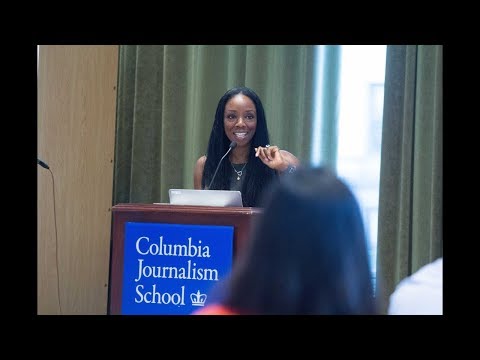
You know how sometimes you meet someone and you just think, “Wow, they’re doing amazing stuff!”? That’s exactly how I feel about Dr. Nadine Burke Harris.
Este blog ofrece contenido únicamente con fines informativos, educativos y de reflexión. La información publicada no constituye consejo médico, psicológico ni psiquiátrico, y no sustituye la evaluación, el diagnóstico, el tratamiento ni la orientación individual de un profesional debidamente acreditado. Si crees que puedes estar atravesando un problema psicológico o de salud, consulta cuanto antes con un profesional certificado antes de tomar cualquier decisión importante sobre tu bienestar. No te automediques ni inicies, suspendas o modifiques medicamentos, terapias o tratamientos por tu cuenta. Aunque intentamos que la información sea útil y precisa, no garantizamos que esté completa, actualizada o que sea adecuada. El uso de este contenido es bajo tu propia responsabilidad y su lectura no crea una relación profesional, clínica ni terapéutica con el autor o con este sitio web.
She’s not just any doctor; she’s like a superhero for kids! Seriously. She fights for children’s health and well-being like it’s her life mission.
Ever heard of adverse childhood experiences? Yeah, she talks a lot about that. And it turns out, those experiences can shape lives in huge ways!
Dr. Burke Harris is bringing awareness to this, and honestly, it’s about time someone did. Let me tell you about her journey and why you should totally care about what she has to say!
Dr. Nadine Burke Harris: Insights from Her TED Talk on Childhood Adversity and Health
Dr. Nadine Burke Harris is a passionate advocate for children’s health, and her TED Talk really sheds light on how childhood adversity can have lasting effects on well-being. She brings that knowledge into such an important spotlight, you know?
In her talk, she discusses the idea of **Adverse Childhood Experiences (ACEs)**. These include things like abuse, neglect, or household challenges like substance abuse. Basically, the more ACEs a child faces, the higher their risk for serious health issues later in life. And that’s kind of scary when you think about it!
Here are some key points from her talk:
- Connection between trauma and health: Dr. Harris explains that stress from traumatic experiences can affect brain development and lead to physical health problems.
- Long-term impacts: Kids who experience high levels of stress might face issues such as heart disease or diabetes as adults.
- The importance of prevention: She emphasizes that addressing these adverse experiences early can change the trajectory of a child’s life.
It’s not just about bouncing back from tough times—it’s about creating an environment where kids can thrive despite what life throws at them.
So, remember when I mentioned games? Let’s say you’re playing something like *The Sims*. You see characters develop based on their experiences. If they go through something tough—like a break-up—they might act out or have trouble later on in relationships. That’s kind of what Dr. Harris is getting at; those experiences shape how we interact with everything.
Another interesting point she makes is about building resilience. This means helping children develop skills to cope with stress positively. For instance:
- Supportive relationships: Having adults who care and listen can make a huge difference!
- Healthy coping strategies: Teaching kids to express their feelings rather than bottle them up is vital.
Dr. Burke Harris has really made it clear—her insights are game-changers when it comes to understanding children’s health in relation to their past experiences.
But let’s be real here: while her message is incredibly important, it doesn’t replace professional help if you or someone you know needs support dealing with childhood adversity. Reach out to a counselor or therapist who specializes in this area if needed!
All this shows how interconnected our emotional and physical well-being truly are! It’s inspiring to see someone like Dr. Harris championing this cause and driving conversations around children’s health and well-being forward!
Who Is Dr. Nadine Burke Harris’s Husband? An Insight into Their Family Life
Dr. Nadine Burke Harris is a well-known pediatrician and advocate for children’s health, especially when it comes to the impact of childhood adversity on lifelong health. But you might be curious about her personal life, particularly who her husband is and how their family operates.
Nadine Burke Harris has been married to Dr. Armand C. Dorian, a medical professional himself. He’s the Chief Medical Officer at a California-based company that focuses on digital health solutions. Both are deeply rooted in their commitment to health, making their partnership quite inspiring.
Together, they have three children and seem to strike a balance between their busy careers and family life. They prioritize spending quality time together, which can be hard to manage with demanding jobs in healthcare.
- Shared Values: Both Nadine and Armand are passionate about medicine and helping others.
- Supportive Partnership: Their relationship is built on mutual support for each other’s careers.
- Family Activities: The family enjoys outdoor activities, like hiking or biking, which helps them bond.
A little anecdote here: I read once that during one of those hectic times—like when kids were sick or busy with school—the couple would organize game nights at home. It included everything from board games to video games! Seriously, these moments helped them unwind together as a family and reminded them of the importance of play.
The truth is balancing work and home life can be tricky but this couple seems to navigate it well by being present for each other and their kids despite their demanding schedules. As advocates for health awareness, they often promote the idea of being emotionally available as much as physically healthy.
If you ever look into how they interact with one another or with their kids in public settings, there’s a warmth that really stands out. It’s evident that Dr. Burke Harris values not just physical well-being but emotional bonds too—which resonates deeply in her professional work advocating for children’s health.
In short, Dr. Nadine Burke Harris’s husband is Dr. Armand C. Dorian, and together they’re raising a family while promoting health both at home and through their careers—showing us what it looks like to blend personal passions with professional commitments!
Nadine Burke Harris: Understanding Childhood Trauma and Its Impact Through Her Book
Dr. Nadine Burke Harris is a name that you should definitely know if you’re interested in understanding childhood trauma. Her work focuses on how early experiences can shape a child’s physical and mental health throughout their lives. It’s a huge topic, and she really breaks it down in her book, which is filled with insights.
One of the big ideas here is **Adverse Childhood Experiences (ACEs)**. These are basically stressful or traumatic events that happen to kids, like neglect, abuse, or family dysfunction. Harris describes how these experiences can lead to serious health issues later on. Think of it as building blocks—if the foundation is shaky, the whole structure might not hold up too well.
Here are some key points from her work:
- Understanding ACEs: Harris explains that high ACE scores can correlate with various health problems in adulthood, like heart disease or depression.
- The Brain’s Response: Childhood trauma can actually change brain development. Stress hormones can affect how kids learn and interact socially.
- Importance of Support: Having stable relationships and supportive environments can significantly buffer against the effects of trauma.
- Community Action: Harris advocates for community programs that focus on prevention and healing. It’s about giving kids a fighting chance.
I remember reading about a kid named Jake who loved to play video games but struggled with social skills because of rough experiences at home. His ACE score was higher than average due to neglect and unstable family dynamics. Over time though, through therapy and support from an understanding teacher, he began to flourish in ways he never thought possible.
Harris’s book doesn’t just highlight problems; she also offers hope and solutions! She emphasizes the need for interventions—support systems that help children cope with their past traumas.
So what’s the takeaway? It’s crucial to recognize the signs of childhood trauma early on so we can help kids heal before those childhood scars turn into lifelong struggles. And hey, while reading this or any book isn’t a substitute for professional help, it sure does enlighten you on what to watch out for!
To sum things up: Dr. Nadine Burke Harris shines a light on a subject that’s often swept under the rug but needs more attention if we want healthier futures for our kiddos!
You know, there’s something really inspiring about Dr. Nadine Burke Harris. She’s not just a doctor; she’s a powerhouse for children’s health and well-being. The way she talks about the impact of childhood adversity is super eye-opening. I mean, it’s like she flips the script on how we view health. Instead of just focusing on physical symptoms, she digs deeper into what kids are experiencing emotionally and psychologically.
I remember reading about a family that was struggling – a mom trying to keep her kids safe while dealing with her own past traumas. It hit me hard because you could see the cycle of hardship that just kept spinning. Dr. Burke Harris emphasizes that these experiences can lead to long-term health problems if they go unaddressed, which is so true! It’s like, if we don’t pay attention to what these kids are going through now, we’re setting them up for struggles later on.
Her research has shown us how toxic stress can affect brain development in little ones. Seriously, it affects their ability to learn, their relationships, and even their physical health down the line! Just thinking about that makes my heart ache for those kids who face so many hurdles before they even get a chance to thrive.
But here’s where it gets cool: she advocates for an approach that includes understanding and support rather than punishment or blame. Imagine how different things could be if every child had someone who understood them and held space for their struggles! It makes me think about what we can all do in our communities – whether it’s lending an ear or advocating for better resources.
And you know what? Her work challenges all of us to take action in our own ways. We can spread awareness or support policies that focus on mental and emotional well-being as much as physical health. So, here’s to Dr. Nadine Burke Harris – championing child well-being one day at a time! She reminds us that behind every statistic is a story waiting to be told and healed.