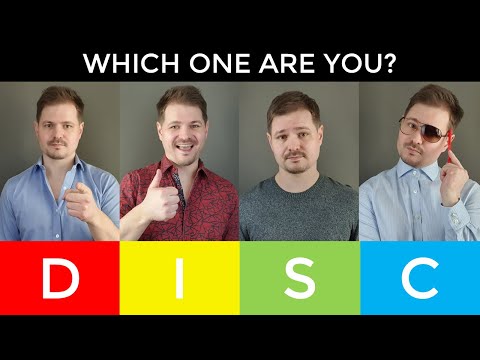
Ever heard of the DISC profile? It’s this cool tool that helps us figure out how people behave. You know, like a personality map?
Este blog ofrece contenido únicamente con fines informativos, educativos y de reflexión. La información publicada no constituye consejo médico, psicológico ni psiquiátrico, y no sustituye la evaluación, el diagnóstico, el tratamiento ni la orientación individual de un profesional debidamente acreditado. Si crees que puedes estar atravesando un problema psicológico o de salud, consulta cuanto antes con un profesional certificado antes de tomar cualquier decisión importante sobre tu bienestar. No te automediques ni inicies, suspendas o modifiques medicamentos, terapias o tratamientos por tu cuenta. Aunque intentamos que la información sea útil y precisa, no garantizamos que esté completa, actualizada o que sea adecuada. El uso de este contenido es bajo tu propia responsabilidad y su lectura no crea una relación profesional, clínica ni terapéutica con el autor o con este sitio web.
Imagine you’re at a party and everyone’s acting differently. Some folks are chatty, while others are more reserved. That’s where the DISC thing comes in.
It breaks it down into four main types: Dominance, Influence, Steadiness, and Conscientiousness. Each type brings its own flavor to the table!
So why does this matter? Well, understanding these types can totally transform how we communicate with others. You get what I mean?
Stick around as we explore how this simple framework can unlock better connections in your life!
Understanding the Purpose of a DISC Profile in Personal and Professional Development
So, let’s chat about the DISC profile. It’s this cool tool that helps you get a better grip on behavior types, both for yourself and others. Basically, it breaks down our personalities into four main categories: Dominance, Influence, Steadiness, and Conscientiousness. Think of it as a color-coded way to understand who you are and how you interact with people around you.
The Dominance types are usually the bold movers and shakers. They like to take charge and get things done quickly. Imagine a player in a strategy game always looking for the next big move—that’s them! They can be super decisive but might need to work on listening more.
Then there’s the Influence types, who are all about connections and enthusiasm. Picture the person at a party lighting up the room with their energy—that’s your classic Influencer! They thrive in social settings but might struggle with follow-through sometimes.
- Steadiness: These folks are the peacemakers. They’re calm and steady, often keeping things balanced at work or home. Think of them as that reliable friend who always brings snacks to movie night; they just make everything smoother.
- Conscientiousness: Detail-oriented perfectionists tend to fall here. If Dominance is charging ahead like a race car, Conscientiousness is meticulously checking every bolt before hitting the road. They’re great at analyzing data but can sometimes overthink decisions.
You see what I mean? By identifying where you or your colleagues fall within these categories, you can enhance communication. Like playing team-based video games—you gotta know each player’s strengths to strategize effectively! Imagine if everyone plays their role well; it just makes everything run smoother.
This profile isn’t just for figuring out personalities at work. Oh no! It’s also helpful in personal life too. Gaining insight into your friends’ or family members’ behaviors can improve relationships dramatically. For instance, if you have an Influencer friend who needs spontaneous plans while you lean more toward Steadiness and prefer calm weekends—understanding this can save both of you from misunderstandings!
The real beauty of using a DISC profile lies in its flexibility as well as its structure—it’s kind of like having a cheat sheet for behavior! But remember, though it offers fantastic insights into yourself and others, it’s not going to solve deep-rooted issues or replace professional help when needed.
BOTTOM LINE: The DISC profile is an incredible tool for digging into behavior types that enhances not only your professional life but personal relationships too—like leveling up in those games we all love by understanding strategies better!
Understanding the 4 Types of DISC Personality: A Clear Guide to Behavioral Styles
The DISC personality model is a powerful tool for understanding different behavioral styles. It’s made up of four main types, each with its own unique traits. If you’re curious about how this all works, let’s break it down together.
D for Dominance
People who score high in Dominance are assertive and goal-oriented. They love challenges and are not afraid to take charge. Imagine playing a video game where you’re the leader of your team; that’s the “D” type in action! They can sometimes come off as blunt or strong-willed, but they value results above all.
I for Influence
Influencers are outgoing and charismatic, often the life of the party! Think of someone who lights up a room and brings people together—this is your “I” type. They thrive on social interactions and tend to be great communicators. Just like in a multiplayer game where you need someone to rally the troops, an “I” is essential for team morale!
S for Steadiness
Steadiness types are calm and patient. They value harmony and teamwork over competition. You know these folks; they’re the ones who help settle disputes in a group chat or keep things organized during chaotic moments. Imagine being the glue in a cooperative board game; that’s their role! They’re dependable and loyal friends.
C for Conscientiousness
Lastly, we have the Conscientious types, who are detail-oriented and analytical. They love systems, rules, and structure. Picture someone meticulously planning their strategies in a complex game—every move counts! These individuals seek accuracy and are often seen as perfectionists because they want everything to be just right.
So what do you do with this information? Understanding these personality styles helps improve communication and collaboration with others in everyday situations—whether at work or home.
When you’re aware of these different types, it can really help you figure out how to approach conversations or manage conflicts better. For instance, if you’re dealing with a “D”, being straightforward will probably work best; whereas with an “I”, adding some enthusiasm might be key!
In summary:
- D (Dominance) – Goal-oriented leaders.
- I (Influence) – Outgoing communicators.
- S (Steadiness) – Patient team players.
- C (Conscientiousness) – Detail-focused perfectionists.
This framework doesn’t just stop at personal relationships! It can also help improve workplace dynamics too. Just remember though: while understanding these traits is super useful, it’s not meant to replace professional guidance when needed.
So take it easy on yourself while exploring these styles—it’s all part of figuring out how you fit into this big puzzle we call life!
“Understanding the DISC Personality Test: A Comprehensive Guide to Assessing Behavioral Styles”
So, let’s talk about the DISC Personality Test. You might have heard of it before—or maybe you haven’t. Either way, the DISC test is all about understanding different behavioral styles. It focuses on four main personality traits: Dominance, Influence, Steadiness, and Conscientiousness. Each of these traits can help you better understand your own behavior and that of others.
Dominance is the first one. People who score high in this trait tend to be assertive and direct. They like to take charge and often seek control over situations. Think of a leader in a video game who wants to lead their team to victory! They’re those players who are not afraid to jump into battles headfirst.
Next up is Influence. This trait describes people who are social, enthusiastic, and love to connect with others. If you’ve ever played a game where teamwork is key—like «Among Us» or «Fortnite»—the high influencers are probably the ones trying to rally everyone together for a plan or cracking jokes in the chat.
Then we have Steadiness. High scorers here tend to be calm, patient, and good listeners. They’re like that reliable friend who always has your back or the teammates you trust to play support roles in games because they won’t let you down during tough moments.
Lastly, there’s Conscientiousness. These folks value accuracy and orderliness above all else. They think things through thoroughly before acting—like strategizing every move in chess rather than just going for the immediate win.
Now let’s break down how these traits interact with each other:
- Dominant types may clash with Steady types since they seek quick results while Steady types prefer taking their time.
- Influential individuals often get along well with Dominant types because both enjoy taking action.
- Steady personalities can sometimes feel overwhelmed by the fast pace set by Dominant or Influential types.
- Conscientious people, on the other hand, might find it challenging to connect with more spontaneous Influencers.
It’s pretty clear that understanding these traits can lead to better communication! Imagine if your gaming group knew each other’s DISC profiles; you’d definitely avoid some awkward moments when planning strategies.
But remember, while this test can give great insights into behavior styles, it’s not a magic wand for all your problems! Relationships are complex and influenced by many factors beyond just personality typing. If you’re looking for personal growth or deeper issues in life, that’s when talking things out with a professional can really help.
So there you have it—a fun little peek into how recognizing different behavioral styles through the DISC test can clarify how we interact both personally and professionally. Understanding yourself—and others—can make life feel just a bit easier (and maybe even less chaotic).
Have you ever found yourself in a group project where one person is super detail-oriented, while another just wants to brainstorm big ideas? It’s fascinating how we all approach tasks and interactions so differently. That’s where the DISC profile comes in. It’s like a map that helps us understand those differences in behavior.
By the way, let me share a little story. A while back, I was working on an event with a friend who is totally the «D» type – you know, dominant and driven. Me? I lean more towards “I” for influence. While I was busy trying to keep the energy up with fun ideas and motivation, he was focused on deadlines and getting things done fast. We clashed at times because I wanted to take a breather and he saw it as wasting time! But looking back, it was such an eye-opener to see how our personalities shaped our work style.
The DISC profile breaks down behaviors into four main types: Dominance (D), Influence (I), Steadiness (S), and Conscientiousness (C). Each type has its own strengths but also its quirks that can sometimes drive others nuts!
So, if you’re a «D,» you probably thrive on challenges and love taking control; “I” types are fun-loving people-persons who like engaging others; “S” folks are your calm peacemakers, good listeners who value harmony; and finally, “C” types are detail wizards who love organization and facts.
When you understand these types, it’s like having superpowers in your back pocket! You start seeing why your colleague shuts down during chaotic meetings or why another one seems reluctant to voice their ideas. It’s not personal; it’s just their wiring.
But here’s the kicker: knowing this stuff helps improve communication! For instance, if you need to persuade someone who’s more analytical (like those C’s), dropping in some concrete data will do wonders. Meanwhile, if you’re working with an S type, make sure to show empathy and create a friendly vibe.
In the end, this whole understanding doesn’t just make projects smoother–it helps build relationships too. We become more patient because we know what makes each other tick. Look at it this way: behavior isn’t set in stone; it can evolve as we learn about ourselves and those around us. Pretty cool, right? You see behaviors often aren’t black or white—they’re just different shades of color that blend together in beautiful ways when we really get what makes each other tick!