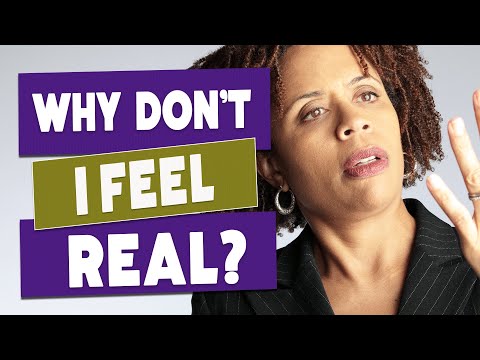
Hey, you! Ever felt like you were watching your life from the outside? Like you’re just… there, but not really “there”? That’s depersonalization for you.
Este blog ofrece contenido únicamente con fines informativos, educativos y de reflexión. La información publicada no constituye consejo médico, psicológico ni psiquiátrico, y no sustituye la evaluación, el diagnóstico, el tratamiento ni la orientación individual de un profesional debidamente acreditado. Si crees que puedes estar atravesando un problema psicológico o de salud, consulta cuanto antes con un profesional certificado antes de tomar cualquier decisión importante sobre tu bienestar. No te automediques ni inicies, suspendas o modifiques medicamentos, terapias o tratamientos por tu cuenta. Aunque intentamos que la información sea útil y precisa, no garantizamos que esté completa, actualizada o que sea adecuada. El uso de este contenido es bajo tu propia responsabilidad y su lectura no crea una relación profesional, clínica ni terapéutica con el autor o con este sitio web.
It can be super strange and honestly a bit scary. You’re not alone if you’ve had those moments when everything feels unreal.
Believe me, loads of people go through this weird experience! We’ll chat about what causes it and what it feels like. It’s a mix of thought, feelings, and sometimes just life’s craziness.
So grab a comfy seat, let’s unpack this together!
Understanding Depersonalization: A Clear Guide to Explaining Its Sensations and Experiences
Depersonalization can feel like you’re watching your life through a screen, you know? It’s that weird sensation where you feel detached from your own thoughts, feelings, or even your body. Imagine being in a video game—everything’s happening around you, but it feels like you’re just a spectator rather than an active player. This sensation can be unsettling; it’s like being in a dream where everything feels unreal.
So what exactly is depersonalization? Well, it’s part of a larger group of experiences called dissociation. People who experience depersonalization might say they feel disconnected or like they’re not in control of their actions. It can hit anyone from time to time, especially during stressful moments or after trauma.
Common sensations and experiences include:
- A feeling of being outside yourself, as if observing from a distance.
- Your body doesn’t feel real, or parts of it might feel numb.
- Feeling like you’re living in slow motion or that time is distorted.
- Emotional numbness, making it hard to connect with others.
Let’s add some context here. You might be playing a first-person shooter game where you’re the main character. But all of a sudden, you step back and see that character on the screen fighting for survival while you’re sitting safely on your couch. That disconnect between action and presence reflects how depersonalization can make one feel disjointed from reality.
Now, what causes this feeling? Various triggers can kick it off:
- Stressful life events: A breakup or losing someone close can trigger those feelings.
- Anxiety disorders: High levels of anxiety may cause episodes of depersonalization.
- Trauma: Experiences like accidents or abuse often lead to dissociative symptoms.
- Substance use: Certain drugs can induce feelings similar to depersonalization.
So how does it get treated? Well, this experience isn’t usually harmful on its own but can interfere with daily life more than you’d think. Treatment paths might involve:
- Therapy: Talking about your feelings helps ground you back into reality.
- Coping strategies: Learning ways to manage stress and anxiety can reduce episodes.
- Medication: Sometimes doctors prescribe meds for underlying issues contributing to those feelings.
But here’s the thing—if you find these sensations are affecting your daily life or relationships significantly, reaching out for professional help is super important! Therapy doesn’t mean you’re «broken»; it’s just one tool among many to help navigate challenging feelings.
In the end, if you’ve felt anything similar to depersonalization or have questions about it, don’t hesitate to chat with someone who gets it—like a therapist! 😊 Just remember: these sensations are not uncommon and there are ways to find balance again.
Understanding the Onset Age of Derealization: Key Insights and Factors
Derealization can be a tricky concept to wrap your head around. Basically, it’s that weird feeling when everything around you seems unreal or dreamy. Imagine playing a video game and the graphics are so stunning that for a moment, you forget it’s just a game. Now, picture this experience happening in real life—it’s unsettling, right?
So, let’s talk about the onset age of derealization. It’s often experienced during late adolescence or early adulthood. This is when many people are navigating significant life changes—like moving out, starting college or perhaps entering the workforce, which can all stir up stress and anxiety.
Now here are some key insights about **derealization** and its onset:
- Stress and Trauma: Life events such as trauma or severe stress can trigger derealization. Think of a character in a video game who faces intense challenges; their surroundings might warp to reflect their inner turmoil.
- Psychological Factors: Conditions like anxiety disorders or depression are often linked to feelings of unreality. If your mind feels overwhelmed, you might try to escape into that «game-like» state.
- Substance Use: Drugs and alcohol can lead to derealization experiences too. It’s like when you’re playing a multiplayer game after too many energy drinks—you’re hyper-aware but also kind of detached.
- Cognitive Development: The brain is still maturing through those late teens into early twenties. As you’re figuring out who you are and how the world works, things can seem off-kilter.
It’s important to remember that not everyone who experiences those feelings has something clinically wrong with them. Many people go through periods where they feel a bit disconnected—it doesn’t always mean there’s a serious issue.
There was this time I spoke with a friend who described feeling like they were living in a movie during finals week at college. Everything felt surreal when they were stressed out over exams! They didn’t want to feel this way; it just kinda snuck up on them during intense moments.
While these factors provide some clues about why derealization can happen, it doesn’t replace professional help if someone is struggling with these feelings regularly. It’s all about understanding yourself better and seeking support when things start feeling overwhelming.
In the end, recognizing these patterns isn’t just interesting—it could help you understand what’s going on in your life or someone else’s life. If you’re experiencing derealization frequently, chatting with a therapist could provide clarity and effective ways to cope!
Understanding Derealization: Causes, Symptoms, and Psychological Implications
Derealization can be a pretty perplexing experience. It’s like you’re living in a dream, where everything around you seems unreal or distorted. You might feel disconnected from your surroundings, and objects may look flat or lifeless. It can leave you feeling anxious or confused. So, let’s break this down a bit.
What Causes Derealization?
The causes aren’t always clear-cut, but there are some common triggers that people report:
- Trauma: Experiences like accidents or abuse can lead to derealization as a coping mechanism.
- Anxiety and Stress: High levels of anxiety can make the world feel distant.
- Substance Use: Drugs or alcohol can alter perceptions and bring on feelings of derealization.
- Mental Health Conditions: Disorders such as PTSD, depression, and anxiety disorders often have derealization as a symptom.
You know what? I once had a friend who described it like being in a video game where the graphics weren’t fully loaded – everything felt off, like he was watching his life instead of living it. That feeling can be disorienting and scary.
Symptoms to Look Out For
If you think you or someone you know might be experiencing derealization, here are some symptoms to keep an eye on:
- Sensory Alteration: Sounds may seem muted, and colors might appear dull.
- A sense of detachment: Feeling as if you’re not part of the world around you.
- Dazed sensations: You might feel disconnected from your thoughts and feelings too.
- Persistent experiences: These feelings aren’t just for a moment; they can last a long time for some people.
It’s tough because while these symptoms are real for those who experience them, they often don’t manifest physically – so friends and family might struggle to understand what’s happening.
The Psychological Implications
Living with derealization can have significant impacts on your mental health:
- Anxiety Increase: The disconnection from reality may lead to more anxiety about your health or sanity.
- Avoidance Behavior: People might start avoiding situations that trigger derealization episodes, which can limit their lives over time.
- Coping Strategies: Some find comfort in grounding techniques or mindfulness exercises to bring them back to the present moment.
There’s no denying it can really affect daily life. You might even lose interest in activities that once brought joy because everything feels surreal.
In the end, understanding derealization is crucial. If you’re experiencing this yourself or know someone who is dealing with it, it’s important to seek help. Talking about these feelings could lead to better coping strategies or even treatment options.
Remember, everyone deserves support when navigating tough times!
You know, depersonalization can be one of those things that feels really strange when you’re going through it. It’s like you’re in a movie, watching yourself from the outside but not really feeling like you’re part of it anymore. I remember a time when my friend Sarah mentioned feeling this way after a tough breakup. Suddenly, the world felt unreal to her—like she was just floating around without really being in her body.
So what is it? Basically, depersonalization is this kind of defense mechanism your mind has developed to cope with stress or trauma. It’s like your brain saying, “Whoa, this is too much to handle right now.” It can happen after a car accident, major life changes, or even during intense anxiety. Your brain goes into this protective mode and creates this distance from your feelings and reality.
And the thing is, it doesn’t just pop up out of nowhere. Sometimes it’s linked with other mental health issues like anxiety, depression or PTSD. For some people, it’s more chronic and might show up over and over again. You might feel disconnected during stressful moments but for others, it’s more persistent—like an unwelcome guest that just refuses to leave.
Imagine being at a birthday party where everyone is laughing and having fun, but you feel stuck behind glass—everything looks fine from the outside but you can’t quite join in. That’s what someone dealing with depersonalization might feel like.
It’s important to recognize those feelings when they come up because they’re valid! But also knowing that talking about them helps; whether it’s with friends or professionals makes a difference too! Finding healthy coping strategies can mean exploring mindfulness or grounding techniques which can help bring you back into your body and the moment.
All in all, while depersonalization can be disorienting and scary at times—it does help to know that you’re not alone in feeling this way. So if you ever find yourself watching life play out from behind the scenes? Just remember—you’ve got support around you and there are ways to reconnect with yourself again!


