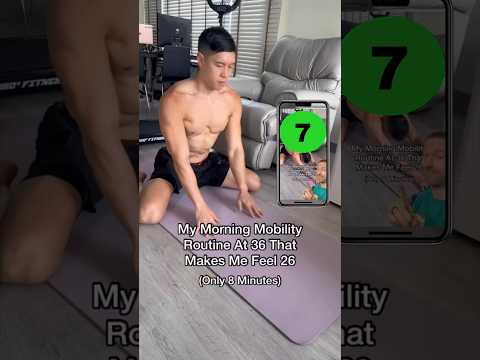
Hey, you! Let’s talk about something that might just change your stretching game: the deep squat stretch. Seriously, if you’re into getting more flexible and mobile—this one’s a gem.
Este blog ofrece contenido únicamente con fines informativos, educativos y de reflexión. La información publicada no constituye consejo médico, psicológico ni psiquiátrico, y no sustituye la evaluación, el diagnóstico, el tratamiento ni la orientación individual de un profesional debidamente acreditado. Si crees que puedes estar atravesando un problema psicológico o de salud, consulta cuanto antes con un profesional certificado antes de tomar cualquier decisión importante sobre tu bienestar. No te automediques ni inicies, suspendas o modifiques medicamentos, terapias o tratamientos por tu cuenta. Aunque intentamos que la información sea útil y precisa, no garantizamos que esté completa, actualizada o que sea adecuada. El uso de este contenido es bajo tu propia responsabilidad y su lectura no crea una relación profesional, clínica ni terapéutica con el autor o con este sitio web.
You know that feeling when you can barely touch your toes? Or when getting down to tie your shoes feels like a workout in itself? Yeah, I’ve been there too. But the deep squat stretch? It’s like a little miracle for those tight muscles.
Imagine being able to glide down into a squat without feeling all stiff and creaky. Sounds dreamy, right? Plus, it’s not just about flexibility; it helps with mobility too.
So, let’s dig into why this stretch could be your new best friend. Grab a seat or maybe even get ready to squat!
Exploring the Impact of Deep Squats on Flexibility: Benefits and Insights
Deep squats, huh? They’re not just about lifting weights or looking cool in the gym. There’s actually a lot going on when you lower your body into that deep position. Let’s break it down.
First off, flexibility. Deep squats can seriously help improve your flexibility. When you squat low, you stretch out multiple muscles—like your hip flexors, glutes, and hamstrings. This can lead to better mobility over time. Imagine trying to pick up something heavy from the floor; if your body’s flexible, it’s a lot easier and way less risky!
Another thing worth mentioning is joint health. Deep squatting helps lubricate your joints. This means they don’t just creak and groan as you move around. By regularly practicing deep squats, you’re actually promoting better joint function, which is crucial for avoiding injuries as you age.
And hey, let’s talk about balance! When you’re down there in a deep squat, you’re engaging stabilizer muscles—those little guys that help keep you upright and steady. Better balance means you’ll feel more confident in activities like running or even just walking up and down stairs.
- Improved Flexibility: Stretching those muscles opens up a world of movement.
- Joint Health: Keeping joints lubricated means less wear and tear.
- Enhanced Balance: Stronger stabilizer muscles help with coordination.
Now, here’s a story for you: I once had this friend who was super into yoga but struggled with her mobility in certain poses. She decided to incorporate deep squats into her routine three times a week. After a month? Total transformation! She could finally relax into those tricky poses without twisting like a pretzel—all thanks to the consistency of that deep squat practice.
It’s also worth noting that while all these benefits are great, it’s important to listen to your body. If something feels off while doing deep squats—like sharp pain—is telling you to stop. Always consult with a professional if you’re unsure about how to start or if you’re facing limitations.
So basically, the bottom line is this: adding deep squats into your regular routine can boost your flexibility and overall well-being but do it safely! Whether you’re an athlete or just trying to keep mobile in everyday life, these little gems will pay off big time in the long run—and not just for some epic gym selfies!
Can You Safely Perform Squats with a Herniated Disc? A Guide to Understanding Risks and Alternatives
Squats are a fantastic exercise for building strength, but if you’ve got a herniated disc, you might be wondering if it’s safe to perform them. Let’s unpack that, shall we?
A herniated disc happens when the soft material inside your spine’s discs pushes out through a crack. This can lead to discomfort, pain, or even nerve issues. So, when you’re thinking of doing deep squats with this condition, it’s critical to weigh the risks.
Considerations Before Squatting
- Consult a Physician: Always get the green light from a healthcare professional first.
- Listen to Your Body: If squatting causes pain or discomfort in your lower back, it’s a firm no.
- Proper Form is Key: If you do decide to squat, maintaining proper form is essential to avoid exacerbating any issues.
- Weight Matters: Start with bodyweight squats before adding weights, if at all.
- Pace Yourself: Gradually increase intensity based on how your body feels.
You know what? I remember my buddy Mark. He had back pain for ages but was determined to keep up with his fitness routine. He tried doing squats too soon and ended up in more pain! It was frustrating for him because he loved working out but had to learn the hard way about listening to his body.
Alternatives to Deep Squats
- Wall Sits: These are great because they protect your back while still engaging those leg muscles!
- Kettlebell Deadlifts: You can work your glutes and hamstrings without putting too much strain on your back.
- Mild Stretching: Gentle stretches like child’s pose can help improve flexibility without the risk of straining your back further.
If you’re looking for flexibility and mobility improvements, consider the bicycle stretch. It helps target hip flexors and lower back without forcing your spine into uncomfortable positions. Just make sure you’re being gentle with yourself!
The Deep Squat Stretch
- This stretch can increase flexibility in your hips and ankles—huge benefits for overall mobility!
- The position allows you to open up those joints without heavy weights involved.
If done correctly—with guidance—it may complement other exercises in a safe way while managing disc-related issues.
The bottom line? Always prioritize safety over stubbornness. A herniated disc is no joke. Before diving into squats or any intense workout regime, touch base with professionals who understand your specific health situation. They’ll offer insights tailored just for you! Remember: keeping fit is important; keeping safe is essential!
Exploring the Benefits of 2-Minute Deep Squats for Physical and Mental Well-Being
Deep squats might not be the most exciting exercise to think about, but seriously, they pack a punch when it comes to your physical and mental well-being. Just imagine squatting down like you’re going for a ride on a bike or playing with your dog! Although it might seem simple, these deep squat stretches do wonders for flexibility and mobility.
When you hold a deep squat for about two minutes, several amazing things happen. First off, let’s talk about flexibility. This position encourages your muscles and joints to stretch out nicely. Over time, this can lead to better range of motion—think about being able to touch your toes without straining!
Take a look at some of the benefits:
- Improved Joint Mobility: Deep squats help lubricate the joints in your hips, knees, and ankles. This can make everyday activities feel way easier.
- Enhanced Flexibility: Regularly practicing deep squats lengthens the muscles in the legs and lower back. You’ll notice you can move more freely.
- Better Posture: Sitting low helps strengthen your core and lower back muscles. It reminds your body how to maintain good posture when standing or sitting.
- Mental Benefits: Holding that squat position can be surprisingly meditative! It gives you time to breathe deeply and settle your mind.
- Increased Strength: While it may seem like an easy stretch, holding a squat engages multiple muscle groups at once, building strength as well!
Now here’s a little story: I remember when I first tried holding my squat for two minutes. At first, it was like “Wow, seriously? This is hard!” But as I kept practicing—like leveling up in a game—I found my endurance improved over time. Not only did my legs get stronger, but surprisingly, my mood felt better too.
What’s wild is that these benefits spill over into daily life. Activities like playing with kids or even getting up from the couch become easier! Plus, if you’re feeling stressed or anxious? Just take a minute in that deep squat; trust me—it helps calm those racing thoughts.
Just remember though: while deep squats are fantastic for flexibility and mobility (and even boost mental well-being), they’re not a substitute for professional advice if you’re facing specific health issues. Always listen to your body; if something feels off or painful—stop!
So go ahead! Next time you’re up for some movement, give those deep squats another shot; who knows what new skill—or sense of tranquility—you’ll find!
You know, there’s something almost meditative about the deep squat stretch. I mean, it might look a little goofy if you’re not used to it, but once you get into it, wow, it feels great! I remember when I first tried to do this stretch. I was at a yoga class, and the instructor kept saying how beneficial it is. Honestly, I didn’t believe her at first. But after giving it a shot for a while, my body thanked me.
So let’s talk about flexibility and mobility for a sec. You might think they’re the same thing, but they’re not quite twins — more like cousins. Flexibility is all about how far your muscles can stretch. Mobility? It’s basically about how freely your joints move through their range of motion. And doing deep squats touches on both of these aspects.
When you settle into that deep squat position and hang out there for a bit, you’re not just stretching your legs; you’re also opening up your hips and getting into those tight spots we usually ignore. Ever notice how stiff and tight you feel after sitting at a desk all day? The deep squat can help release that tension in no time.
And honestly, if you’ve spent hours in front of screens (who hasn’t?), those hips can turn into little concrete blocks! One day while trying to get comfy on the couch after work — totally stuck in my routine — I decided to sink into a deep squat instead of flopping down like usual. That’s when I really felt the difference: my knees opened up beautifully and suddenly, my back started feeling lighter.
But here’s something cool: it’s not just for couch potatoes or gym rats. Practicing this stretch regularly can improve everything from sports performance to just feeling better in everyday life. It makes bending down to tie your shoes or picking something off the floor way less of an ordeal.
Giving yourself time in that squat also helps with posture because it teaches your body where all these important muscles are engaged — kind of like rediscovering forgotten friends in your body! Maybe that’s what’s so special about it; it’s about connecting with ourselves again… even if it’s just for a few minutes each day.
In the end? Don’t worry if you can’t get butt-to-ankles right away — nobody’s judging (well, hopefully!). Just keep practicing; you’ll open up new ranges of movement before you know it. So yeah, why not give that deep squat stretch some love? Your body will thank ya!


